What Counts as Junk? A Simple Dubai Guide
Learn what usually counts as household junk in Dubai, what needs a separate route and how to prepare a clear item list before collection on 10/09/2026.
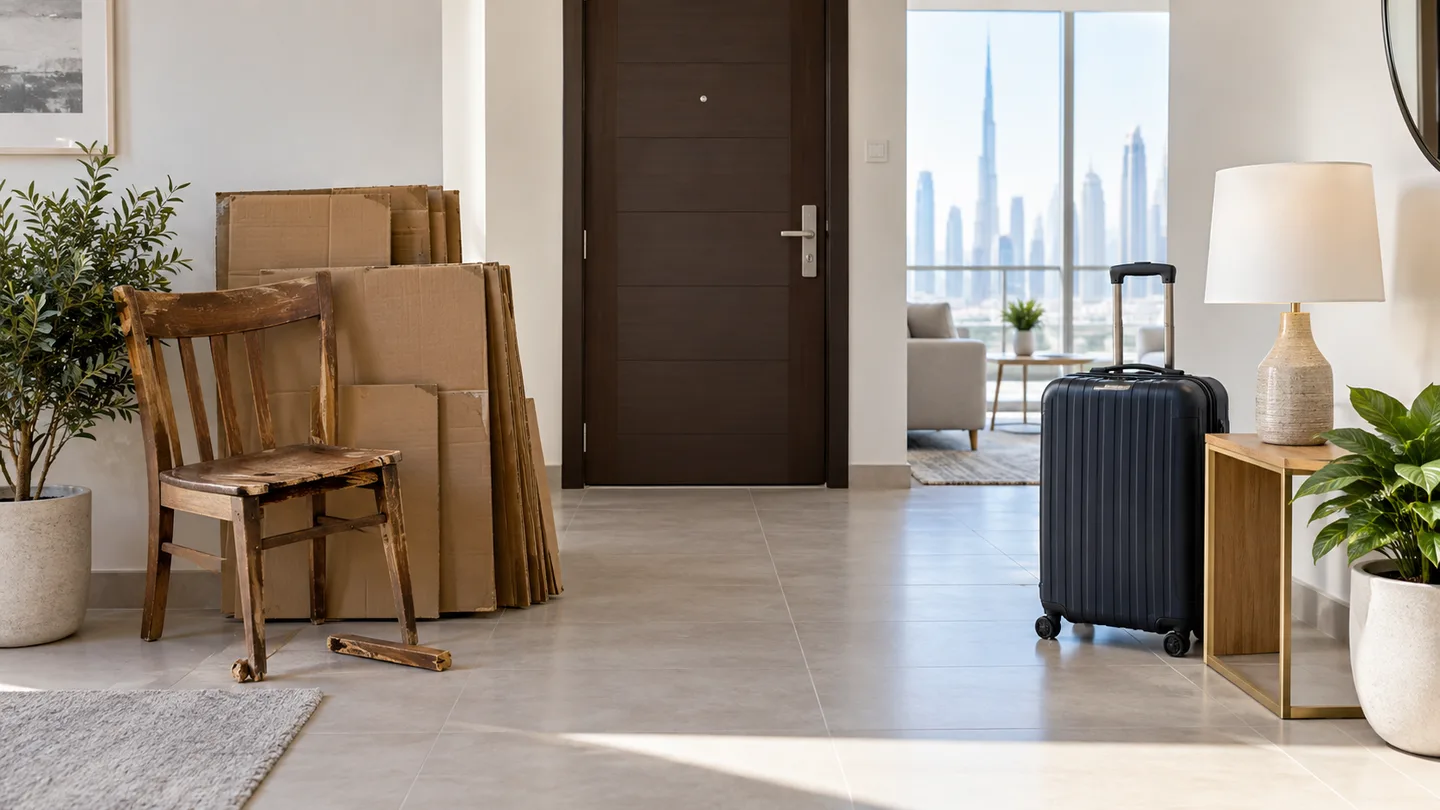
As of 10/09/2026, “junk” in Dubai means an unwanted item approved by its owner for collection, within the agreed service scope and safe to handle. The category can include broken furniture, unwanted appliances, electronics, garden items, bagged household waste and bulky office contents. It does not give a removal crew permission to decide what belongs on the truck.
Our Junk Removal Dubai service handles agreed household, office and bulky items. For mixed bagged or bulky waste, Waste Removal Dubai may be the more natural route. The useful first step is to identify the item and its owner, rather than choosing a label first.
What usually counts as junk?
An item usually counts as junk when it is unwanted, clearly identified and ready for a collection decision. A broken chair in a garage, a dead small appliance, an empty shelving unit or flattened packaging can be straightforward examples.
Use three tests before adding something to the list:
- Ownership: the person approving disposal has authority to release it.
- Condition: the item is unwanted, or a reuse route has been agreed.
- Handling: the item can be safely assessed and carried through the stated route.
| Item group | Common examples | What to confirm |
|---|---|---|
| Furniture | Sofas, chairs, wardrobes, tables and shelves | Dimensions, condition and whether it is fixed |
| Appliances | Fridges, washing machines, ovens and small appliances | Contents removed and any technical disconnection arranged |
| Electronics | TVs, computers, printers and cables | Data removed and electronics kept separate where needed |
| Household items | Empty boxes, worn cushions, storage bins and rugs | Approximate quantity and whether anything is retained |
| Garden items | Broken pots, unused outdoor furniture and green waste | Material type and access from the garden or terrace |
| Office items | Desks, chairs, shelving and non-confidential equipment | Owner approval and documents removed |
The list is a decision aid, not a promise that every item follows the same disposal route. Appliance and electronics handling can differ from general furniture collection. Describe those categories separately when requesting a quote.
What is not ordinary household junk?
Some materials need a separate route because of safety, ownership or specialist handling. Do not hide them inside a bag or place them beneath furniture to make the load look simpler.
Keep chemicals, fuel, pesticides, pressurised containers and unknown liquids apart. Batteries and electronics should be identified rather than mixed into general waste. Medical sharps and clinical waste are outside an ordinary household junk booking. Construction or demolition work is also outside this service; ask the responsible contractor about debris generated by that work.
Fixed cabinets, built-in counters and connected equipment need assessment before removal. A crew can collect agreed loose items, while electrical, gas, plumbing and refrigerant work needs the appropriate specialist. Your building may also require a separate approval for access.
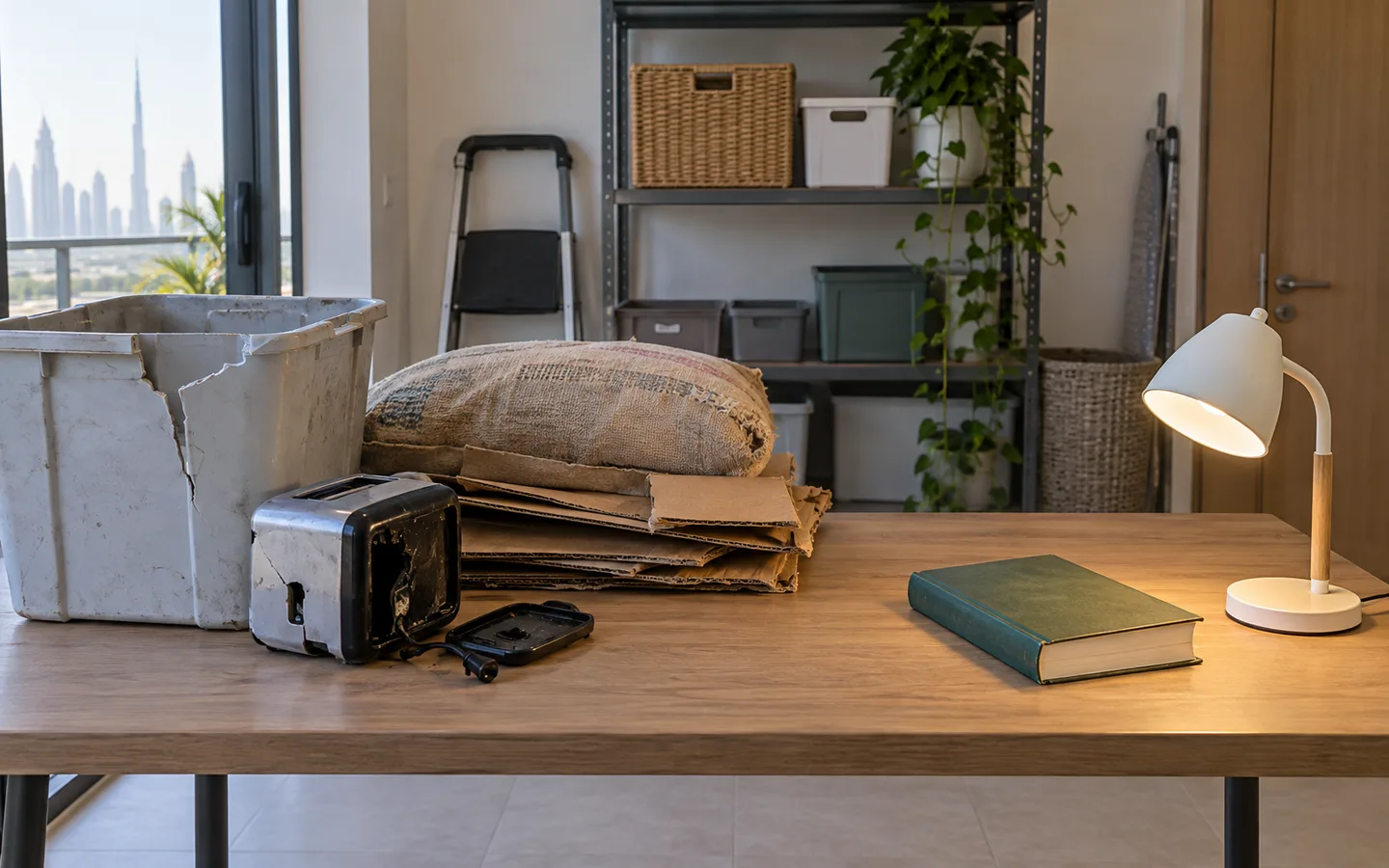
The visual distinction is useful: a worn item can be junk when its owner approves removal, while an intact item can remain in the keep group. Condition alone does not settle the decision.
How should you describe a mixed junk load?
Describe the load by item group, size and location. “Three chairs, one two-door wardrobe, six flattened cartons and a freestanding fridge in the store room” is more useful than “one room of junk.”
Include photographs from the front and side of larger items. Show the doorway, stairs or service lift if access is tight. Mention a balcony, garage, terrace or basement route, because carrying distance changes the work even when the items are small.
If the load changes after the quote, send new photographs before collection. A cancelled donation, a sold item left behind or an extra appliance can alter the vehicle space and handling plan. Keep the approved list visible on the collection day.
What happens to reusable items?
Reusable items can be considered for donation or another reuse route when condition and acceptance make that possible. A collection team cannot guarantee that a particular charity, buyer or recipient will accept an item.
Separate confirmed donations from items approved for disposal. Give the recipient honest photographs and dimensions, and keep a delayed donation from blocking the agreed junk list indefinitely. If no recipient is confirmed, make a fresh keep-or-remove decision with the owner.
For a furniture-specific comparison between giving an item away and disposing of it, see donating versus junking furniture in Dubai. This guide defines the broader category and its boundaries.
Who decides what goes on the truck?
The owner, landlord or authorised manager decides what can leave. The crew can flag an item that was not described, appears unsafe or conflicts with the agreed scope, but it should not make ownership decisions for you.
In a rented Dubai apartment, check landlord-owned appliances and the handover wording before listing them. In an office, ask the person responsible for records and equipment to approve the outgoing group. In a shared villa, settle family-owned furniture before the vehicle arrives.
Walk the collection area once before loading. Check behind doors, under shelves and inside drawers, then remove keys, documents, chargers and personal items from anything being discarded. A short final check prevents a small forgotten item from becoming a second visit.
If your list is ready, send item photographs for a Dubai junk removal quote with the building access details and your preferred collection date.
Frequently asked questions
Junk is an unwanted household, office or bulky item that the owner has approved for removal and that fits the agreed collection scope. Ownership, condition and safe handling still need to be confirmed before loading.
Yes, if the owner has decided it is unwanted and the collection is agreed. Working furniture can be assessed for reuse or donation, but a provider cannot promise a recipient before inspecting the item and confirming acceptance.
Do not place paint, chemicals, pesticides or fuel in a mixed household junk load. Keep those materials separate and ask the relevant authority or a specialist handler about the correct route.
List the bulky items and the approximate number of bags or boxes, then send photographs. A clear description of the load, access and floor level lets the provider assess the booking without relying on a vague phrase such as ‘all the junk’.
Keep landlord-owned furniture or appliances out of the collection until the owner or tenancy agreement authorises removal. An item left in a room is not automatically yours to discard.
Related articles

New Year, Less Clutter: Junk Removal Resolutions Dubai
Build realistic New Year decluttering resolutions in Dubai with a simple keep, donate, and junk routine for 11/09/2026.

How to Prepare for a Junk Removal Visit in Dubai
Use this practical checklist to prepare your home, access route, and items before a junk removal visit in Dubai on 11/09/2026.
How Fast Can You Get Junk Removed in Dubai?
Junk removal speed in Dubai is set by quoting, crew availability, building access and the carry itself. Here is where the time goes and how to shorten it.