Recurring Commercial Junk Removal Contracts in Dubai
Compare recurring commercial junk removal contracts in Dubai. Review pickup frequencies, service level agreements, bin rotation, and waste manifests.
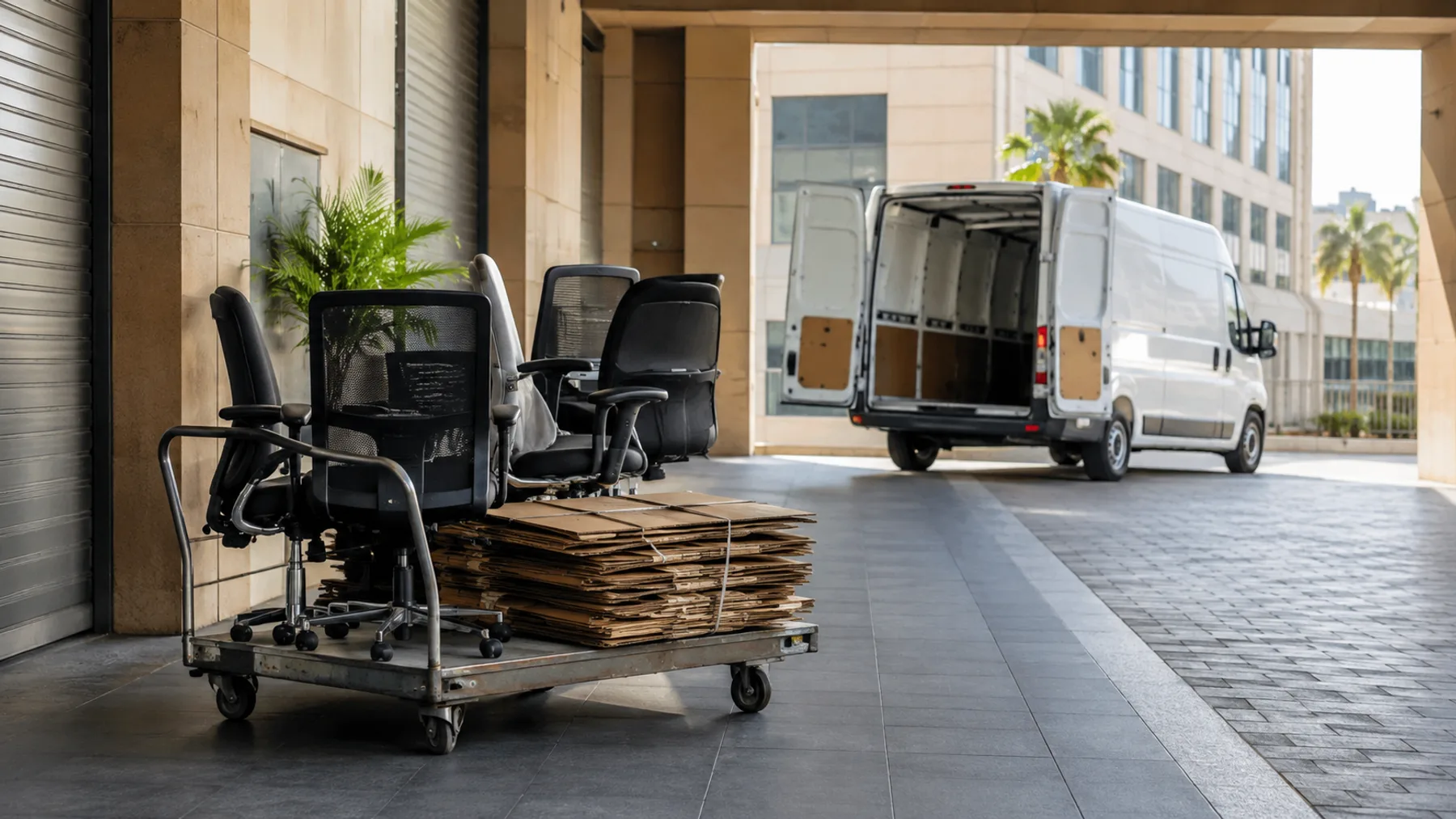
A recurring commercial junk removal contract in Dubai provides structured collection cycles, predictable disposal budgeting, and strict compliance with local municipal waste directives. Rather than scrambling for ad-hoc van dispatches when storage areas overflow, corporate offices, retail operations, logistics centers, and hospitality venues establish scheduled collection windows. These service agreements specify accepted waste streams, vehicle access protocols, loading dock bookings, and documentation standards required by commercial property managers.
Establishing a scheduled waste contract begins with our Waste Removal Dubai service, which handles routine non-hazardous bulky waste, retired commercial fittings, broken office furniture, and seasonal packaging backlogs. For industrial inventory, broken pallet batches, and distribution staging surplus, our specialized team coordinates Warehouse Junk Removal to ensure seamless loading bay operations without disrupting commercial workflow.
Is a Fixed Schedule Better Than Booking On-Demand Commercial Loads?
Deciding between a fixed recurring collection calendar and an on-demand dispatch framework depends on operational volume predictability, internal storage capacity, and lease obligations. Corporate headquarters in high-density business districts like Downtown Dubai, DIFC, and Business Bay experience steady accumulations of discarded packaging cartons, broken desk chairs, decommissioned IT hardware, and pantry waste. For these facilities, predetermined bi-weekly or monthly visits prevent corridor congestion and ensure compliance with tower management rules.
Conversely, commercial operations undergoing phased office restructurings, retail pop-up rotations in Dubai Mall or Mall of the Emirates, or sporadic warehouse inventory liquidations often benefit from hybrid service-level agreements. A hybrid agreement combines a baseline scheduled visit with pre-negotiated emergency call-out tariffs.
| Commercial Collection Model | Best Suited Operational Environments | Primary Contractual Checkpoints |
|---|---|---|
| Fixed Calendar Routine | High-volume corporate towers, continuous distribution bays, retail flagships | Explicit volume allowance per visit and clear empty-visit attendance policies |
| On-Demand Call-Out SLA | Project-based consultancy firms, exhibition builders, seasonal stockists | Guaranteed collection response window and transparent minimum load thresholds |
| Scheduled Base with Overflow Tariff | Rapid-growth logistics centers, multi-floor co-working operators | Streamlined photographic authorization protocols for unscheduled overflow volumes |
| Milestone Renovation Phase Contract | Commercial fit-out contractors, corporate consolidation programs | Specific timelines aligned with landlord handover and security deposit refund milestones |
Evaluating storage space limits is critical when selecting collection frequency. Holding surplus commercial rubbish in basement corridors or active fire exits violates Dubai Civil Defence regulations and risks heavy municipal penalties. Selecting a collection interval that prevents staging accumulation guarantees continuous operational compliance.
Defining the Scope of Accepted Commercial Materials
A detailed commercial junk contract avoids ambiguity by categorizing accepted commercial materials, special handling items, and non-collectible hazardous streams. Contracts should itemize accepted categories:
- Commercial Furniture and Fittings: Workstation divider panels, ergonomic task chairs, boardroom tables, metal filing credenzas, reception counters, and modular breakroom booths.
- Logistics and Packaging Waste: Crushed corrugated cardboard bales, plastic pallet wrap bundles, damaged wooden transport pallets, strapping bands, and heavy wooden packing crates.
- Commercial Electronics and E-Waste: Decommissioned computer towers, LCD monitors, multifunction printers, network routing switches, and retired staff telecommunications sets.
- Non-Hazardous Retail and Display Fixtures: Acrylic display stands, garment hanging racks, metal retail shelving units, promotional mannequins, and window display props.
Excluded materials must remain separate from commercial collections. Chemical solvents, industrial paints, laboratory reagents, automotive fluids, medical refuse, and active construction masonry require dedicated specialist handling channels. Commercial clients must establish clear boundaries to prevent hazardous contamination of standard bulky loads.
Establishing an Efficient On-Site Pickup Staging Zone
Operational success requires establishing a designated internal staging area where staff assemble approved discard items ahead of the collection team arrival. Staging items randomly throughout multiple office floors wastes valuable loading time and increases the risk of operational disruptions.
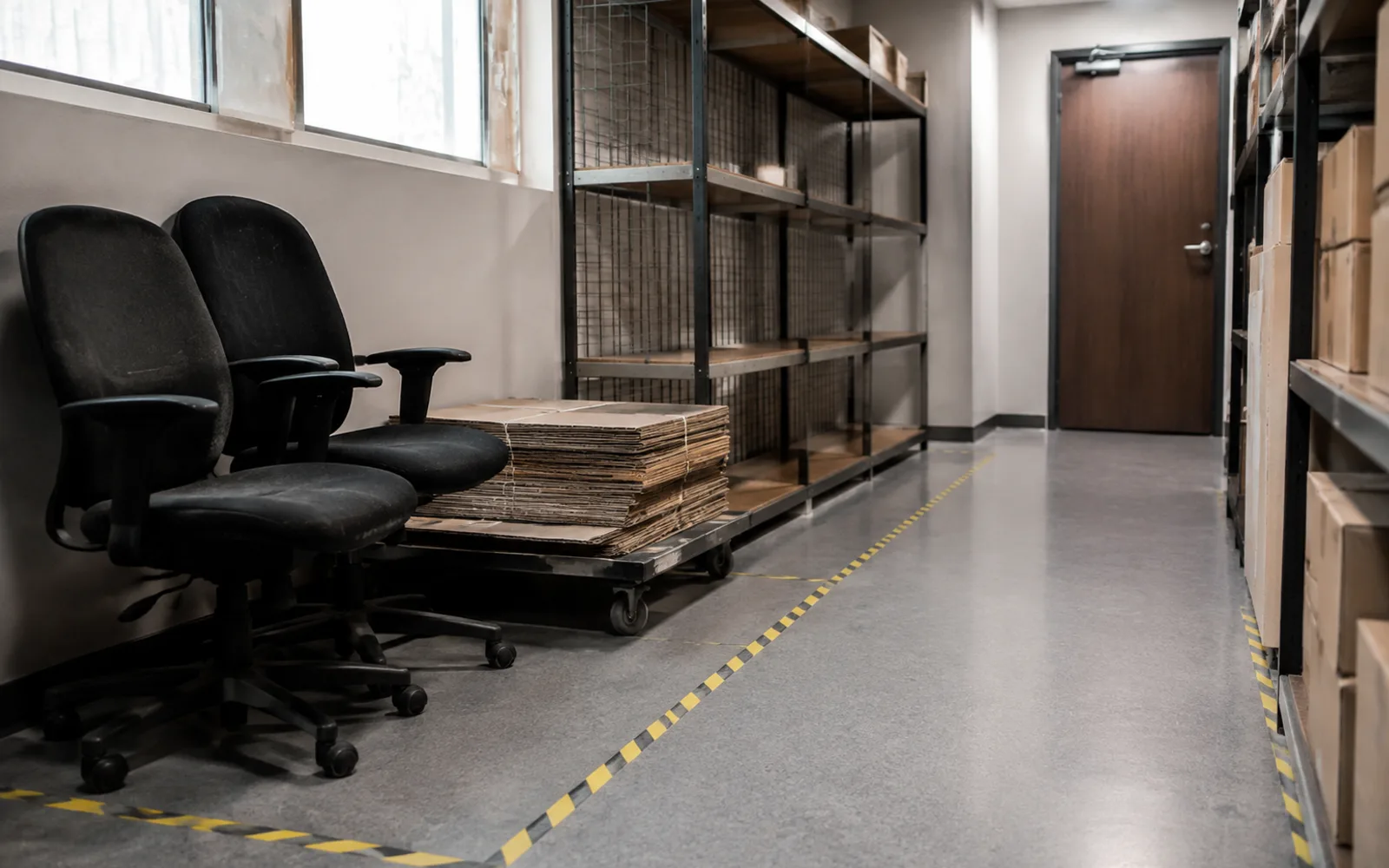
An effective commercial staging zone should satisfy five key site requirements:
- Clear Physical Delineation: Tape off a dedicated corner within a basement storeroom, loading bay anteroom, or service corridor, separating discarded items from operational equipment.
- Direct Freight Elevator Access: Position the staging area near the designated service elevator to minimize hand-truck transport distance across finished lobby floors.
- Floor and Wall Surface Protection: Use heavy-duty floor runners or corrugated plastic sheeting in staging areas to prevent scuffs on corporate flooring.
- Volume Consolidation: Break down flat cardboard boxes, nest stackable chairs, and bundle loose display poles into manageable bundles before the crew arrives.
- Authorized Release Verification: Designate a facilities coordinator to conduct a five-minute pre-loading walkthrough with our team lead to approve outgoing inventory.
In shared commercial skyscrapers, coordinating with facility supervisors is essential. Review our comprehensive guide to property-manager bulk waste coordination for detailed methods on reserving freight elevators and managing shared service lobbies without tenant friction.
Managing Building Management, NOCs, and Loading Bay Protocols
Operating commercial waste collections in Dubai requires adherence to private developer and property management regulations. Master communities such as JLT (DMCC), DIFC, Business Bay (TECOM and private developers), and Dubai South enforce rigorous security and facilities requirements for contractor access.
Before our collection vehicles arrive on site, the commercial contract administrator should confirm the following administrative items:
- Contractor Move-Out and Work Permits: Submit our company trade license, driver Emirates ID copies, and commercial vehicle registration details to building management at least forty-eight hours prior to collection.
- Loading Bay Dock Reservation: Reserve specific thirty to sixty-minute loading bay slots that coincide with low-traffic delivery windows.
- Service Elevator Protection: Confirm the facilities department has installed padded elevator wall protective drapes to safeguard interior cab panels during heavy furniture transit.
- Security Gate Clearance: Notify ground security gates of the expected vehicle plate number and driver names to eliminate checkpoint delays.
Failing to schedule loading bay permits risks contractor turnaways and abortive call-out fees. Incorporating access responsibilities into the commercial contract ensures smooth execution across every scheduled visit.
Waste Manifest Documentation, Sustainability, and Green Building Audits
Corporate sustainability mandates, ISO 14001 environmental frameworks, and local green building rating systems (including Dubai Green Building Regulations and LEED certifications) require documented commercial waste tracking. Modern businesses cannot rely on informal hauling arrangements that lack chain-of-custody verification.
Our commercial contracts integrate transparent tracking documentation for every removal cycle:
- Collection Manifest Notes: Detailed dispatch slips recording date, time, truck registration, estimated cubic yardage, and material composition breakdowns (timber, paper, metals, general bulky residuals).
- Material Diversion Records: Verification logs documenting transfer of clean cardboard, scrap metal, and recyclable plastics to authorized municipal recovery partners.
- Auditable Disposal Invoicing: Transparent billing linking each collected volume to registered municipal landfill tipping receipts and recycling weighbridge tickets.
Establishing auditable disposal streams protects your company from vicarious liability associated with illicit fly-tipping and supports your corporate environmental, social, and governance reporting.
Financial Structures, Tariffs, and Empty-Run Policies
Commercial junk removal contracts offer several transparent billing frameworks suited to different budgetary structures:
- Monthly Flat-Rate Retainers: The client pays a fixed monthly fee covering an agreed number of monthly collection cycles and maximum truck bay capacity. This structure simplifies accounting for facilities management teams.
- Per-Pickup Tiered Tariff: Invoicing reflects the actual volume cleared during each visit, measured in cubic yards or quarter-truck fractions. This model provides flexibility for businesses with variable monthly outputs.
- Empty-Run Attendance Policy: If our collection vehicle arrives during the confirmed window but no approved waste is staged for removal, a standard attendance charge covers transportation and crew time. Contracts clearly define required notice periods (typically twenty-four hours) to reschedule visits without penalty.
- Overflow Rate Card: A pre-agreed supplemental rate card defines exact costs per additional cubic yard when periodic office clear-outs exceed standard allowances.
Corporate clients should review the documentation accompanying each collection. Professional contracts provide official waste transfer receipts and municipal dumping logs, confirming that collected items were delivered to approved municipal material recovery facilities rather than informal dumpsites.
Medical clinics and healthcare facilities operating within commercial office towers should consult our specialized guide to clinic furniture removal in Dubai to understand strict protocols separating clinical furnishings from medical waste.
To structure a dependable recurring commercial collection agreement for your Dubai business, contact our commercial team on WhatsApp. Share your location, estimated monthly waste volume, and preferred collection frequency to receive a customized service proposal.
Frequently asked questions
Ask the provider to state what happens when no approved junk is ready at a scheduled Dubai pickup. The written arrangement should identify the cancellation notice, any attendance charge and who can postpone the visit. Do not assume an unused visit becomes an automatic credit.
Ask for each branch to be listed separately with its address, site contact, accepted items and access window. A shared invoice does not establish that every branch has the same collection allowance or vehicle access. Confirm coverage and pricing for each location individually.
Keep the additional items separate until the provider confirms acceptance and any revised price. The authorised business contact should approve the change before loading. A recurring booking does not make every item left in the collection zone eligible for removal.
Commercial collection intervals are matched to your monthly accumulation volume. Offices typically schedule bi-weekly or monthly furniture and e-waste pickups. Warehouses and logistics hubs in Al Quoz or Dubai South often establish weekly rotations during dedicated off-peak loading dock hours.
Following every contracted collection, providers supply a signed collection note detailing item categories, estimated volume or vehicle bay load, site arrival timestamps, and disposal tracking receipts showing transfer to authorized municipal waste management facilities.
Contract agreements define responsibilities for building coordination. Commercial providers supply contractor trade licenses, staff Emirates IDs, and vehicle registrations in advance. The client property manager books the service elevator and issues loading dock permits.
Related articles
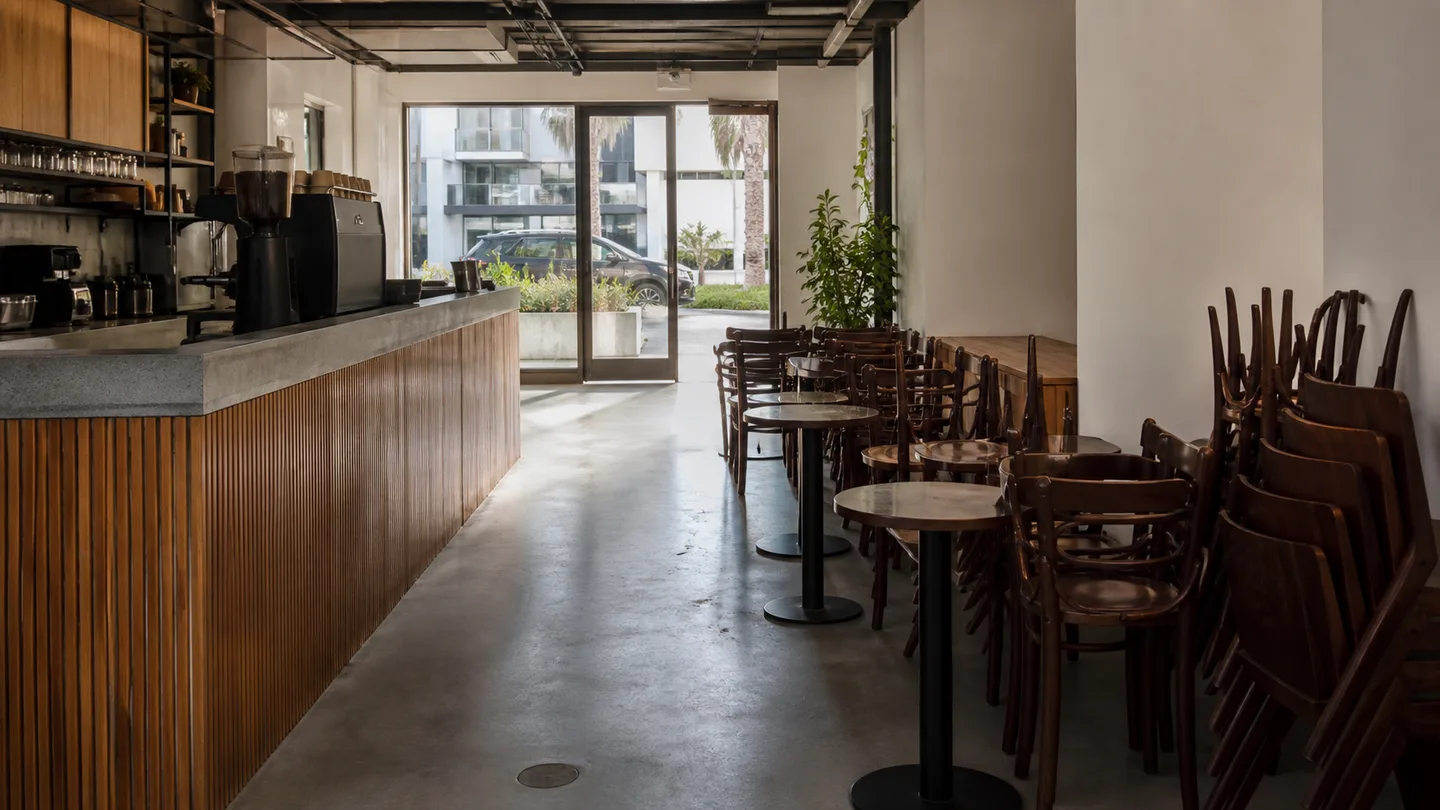
Cafe & Coffee Shop Clearance in Dubai
Plan cafe clearance in Dubai with an ownership inventory, separate appliance preparation and a confirmed loading route for unwanted furniture and equipment.

Clinic & Medical Office Furniture Removal in Dubai
Plan clinic furniture removal in Dubai with an approved inventory, empty storage units, clear access, and complete separation from medical waste.
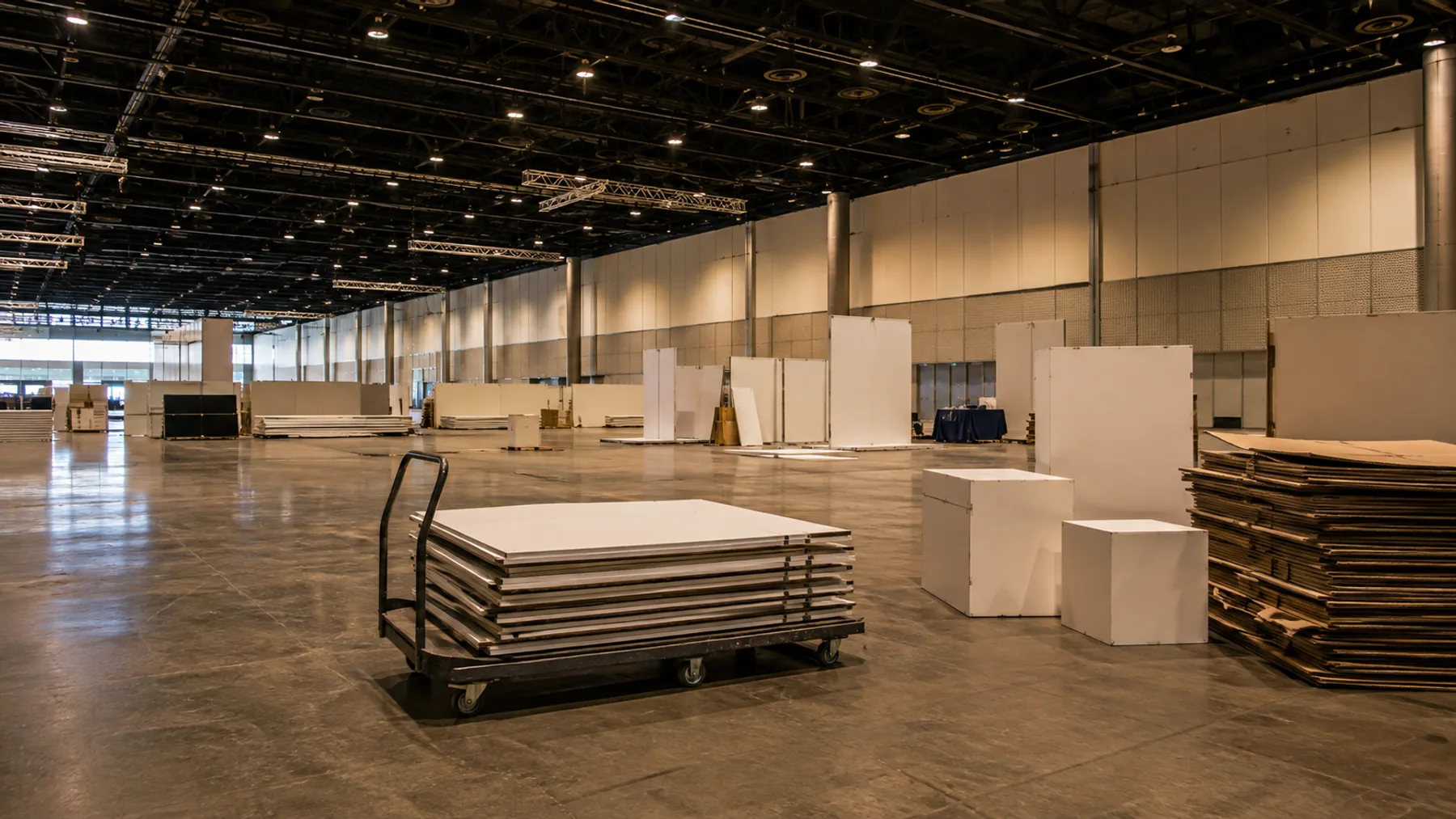
Event & Exhibition Cleanup in Dubai
Coordinate event and exhibition cleanup in Dubai. Manage trade show teardowns, booth dismantling, rental asset returns, and venue handover requirements.