Behind the Scenes: A Day of Junk Removal in Dubai
Follow a Dubai junk removal day from photo-based planning and vehicle checks to building access, safe loading, final walk-throughs and load sorting.
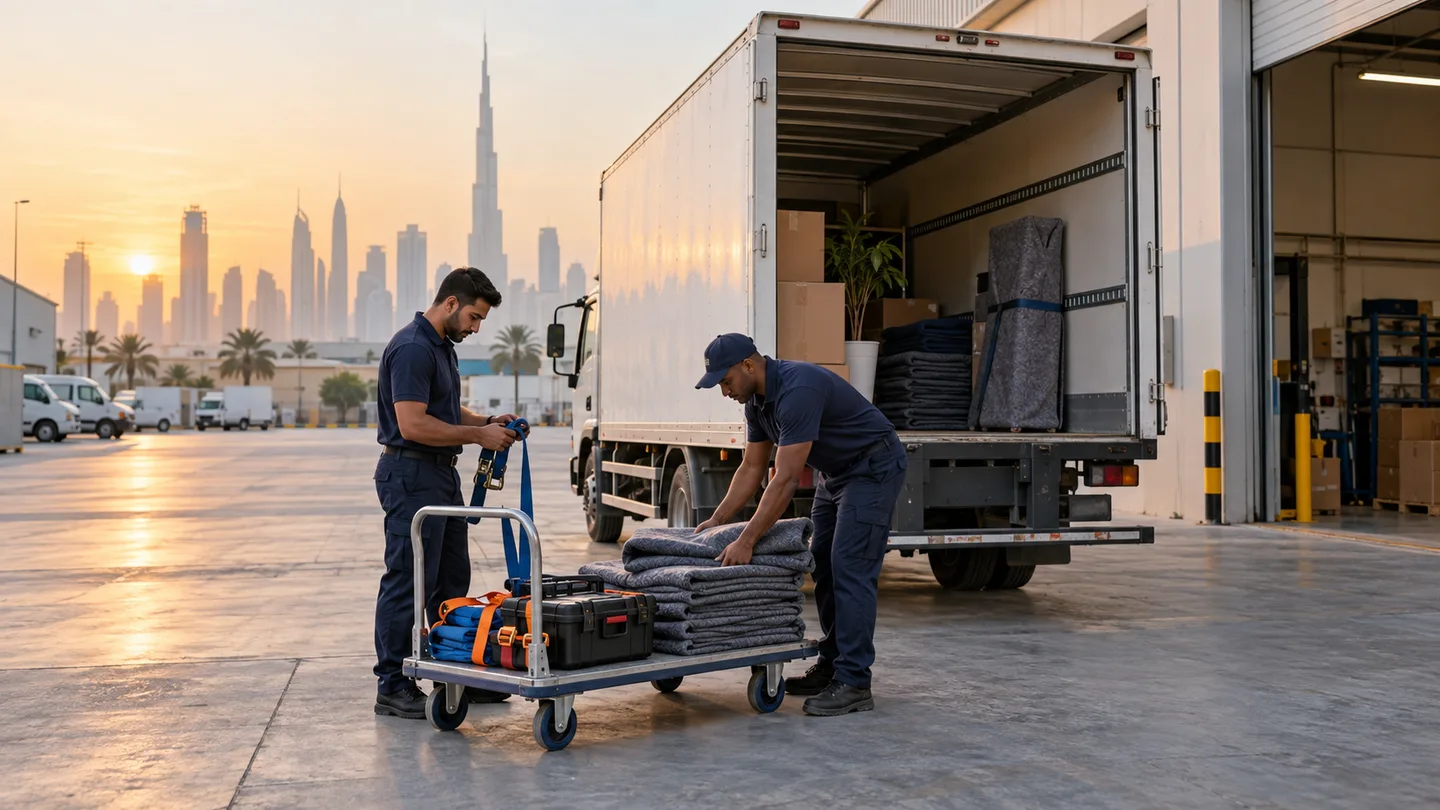
What happens during a day of junk removal in Dubai?
A day of junk removal in Dubai starts before the first doorbell and ends after the final item has left the customer's property. Dispatch reviews photos and access notes, the crew checks the vehicle and equipment, each collection begins with an item walk, and every job finishes with a sweep and final route check. The physical lifting is only the middle of the process.
That operating sequence supports both planned junk removal in Dubai and requests that may fit an active same-day junk removal route. Same-day availability still depends on the load, crew position, vehicle capacity and building access.
Before departure: the route is built from real job details
The first task is matching each booking to the right space, equipment and access window. A photograph of a sofa tells the crew what is leaving. The floor, lift, parking point and dismantling details explain how it can leave.
| Planning check | Why it matters before departure |
|---|---|
| Quoted item photos | Sets the expected volume and item mix |
| Floor and property type | Identifies stairs, lifts or villa access |
| Service-lift slot | Prevents the crew arriving outside the permitted window |
| Large fitted or plumbed items | Flags work that must be completed by another trade first |
| Fragile pieces | Adds blankets, corner protection and a controlled loading position |
| Electronics in the load | Keeps them visible for separate handling later |
The vehicle check is practical rather than ceremonial. Trolleys need free-running wheels, straps need intact webbing, blankets need to be clean and dry, and the tool case needs the fittings used for ordinary furniture dismantling. Missing one small item at the yard becomes lost time at a tower loading bay.
At each stop: confirm first, lift second
Every collection starts with a walk through the quoted items. The customer identifies what stays, the crew checks whether cupboards and drawers are empty, and both sides confirm anything added or removed since the quote.
The route from room to vehicle is checked before the first load moves. Tight corners, glass panels, lift thresholds and fresh finishes change how an item is handled. Our guide to keeping property safe during junk removal explains the protection method; the day-to-day reason is simpler: a two-minute route check prevents a forced turn later.
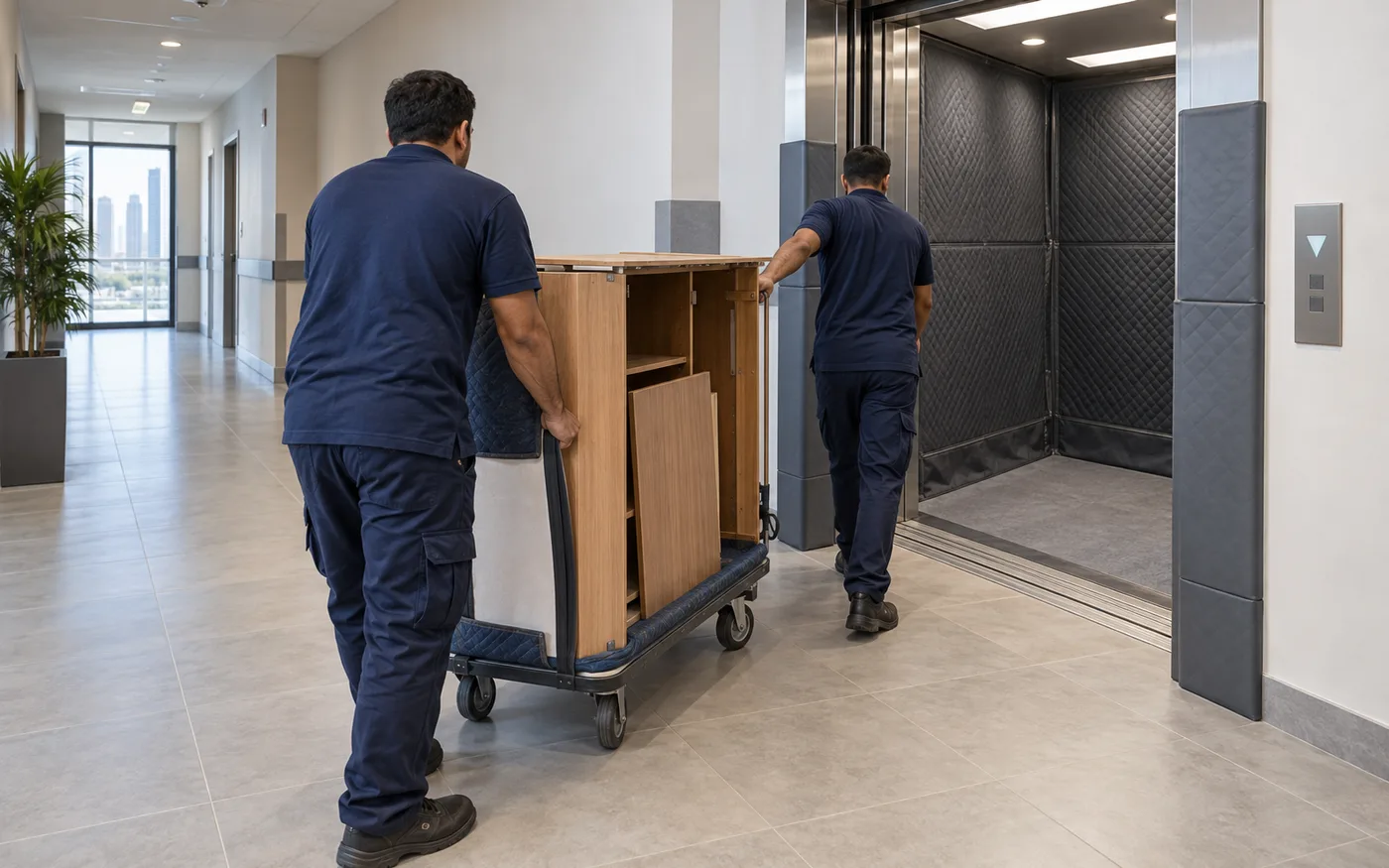
Furniture that will not clear the route whole is dismantled into controlled sections. Heavy pieces travel low on the trolley. Glass and fragile items are protected and kept away from pressure points. The customer stays outside the carry path while loads are moving.
Why two similar collections can take different amounts of time
Item count alone does not set the pace of a job. Ten boxes beside a villa gate can move faster than one wardrobe that needs dismantling on a high floor.
- A booked service lift keeps repeated journeys predictable.
- A long route from apartment to loading bay adds time to every trolley run.
- Security check-in and vehicle registration happen before loading can start.
- A changed item list needs agreement before extra pieces enter the load.
- Glass, electronics and reusable furniture require a more deliberate loading order.
- A full vehicle may need to complete its unloading route before another collection fits.
The article on what to expect from a professional junk removal crew covers the customer's view of one visit. This article follows the operational thread connecting several visits across the day, and the guide to how same-day dispatch works explains how each booking is matched to a crew before that route starts.
The finish at the property is not the end of the load
After the last quoted item leaves, the crew sweeps the pickup area and walks the room, corridor and lift route with the customer. That is the point to confirm that keep items are untouched and the building route is left as found.
The load still has another stage. Reusable items, recyclable materials, electronics and residual waste do not all belong at the same destination. Loading them with separation in mind makes the next decision clearer. Our responsible disposal process in Dubai follows that part step by step.
Complete photos make same-day routing easier
Send the full item group, floor, building name and access notes in the first message. Dispatch can assess an active route only when the likely volume and access time are visible.
The final job shapes tomorrow's first departure
The day closes with the same discipline that starts it: equipment returns to its place, used blankets are separated, tools are checked and any job detail that affects a follow-up is recorded. A forgotten fixing or an unreported access issue should not become the next crew's surprise.
For a collection, send complete photos and access details on WhatsApp. The useful question is not only “Can a truck come today?” It is “Does this load, in this building, fit the safe route that is already running?”
Frequently asked questions
The crew reviews the quoted item photos, access notes and collection order, then checks the vehicle, trolley, straps, blankets and tools needed for the route. Large dismantling jobs and tower bookings are identified before the vehicle leaves.
Dubai traffic, building access windows, service-lift slots and changes to a customer's item list can affect the running order. Dispatch groups work by area and access constraints, then confirms timing with each customer rather than treating every stop as identical.
The crew checks in, walks the quoted items with the customer, confirms what stays, inspects the route and starts with any dismantling needed for doors, corners or lifts. Extra items are discussed before they are added to the load.
No. Glass, reusable furniture, electronics and loose material need different handling, so the loading order keeps fragile or separately routed items controlled. Heavy stable pieces form the base while items that need later sorting remain accessible.
The pickup area is swept and the carry route is checked with the customer. The load then moves to its next appropriate stage, where reusable items, recyclables, electronics and residual waste follow different disposal routes.
It can when a suitable crew, vehicle capacity and access window are available. Sending complete photos and building details early gives dispatch enough information to judge whether the collection fits the active route.
Related articles
Same-Day Junk Removal: How Our Dispatch Works
How same-day junk dispatch works in Dubai: what dispatch reads from your photos, how crew and vehicle are matched, and why a confirmed window can still shift.

Why Same-Day Response Matters for Junk Removal
A fast, complete reply to a Dubai junk removal request protects lift bookings, handover dates and shared corridors. Here is what a useful response contains.
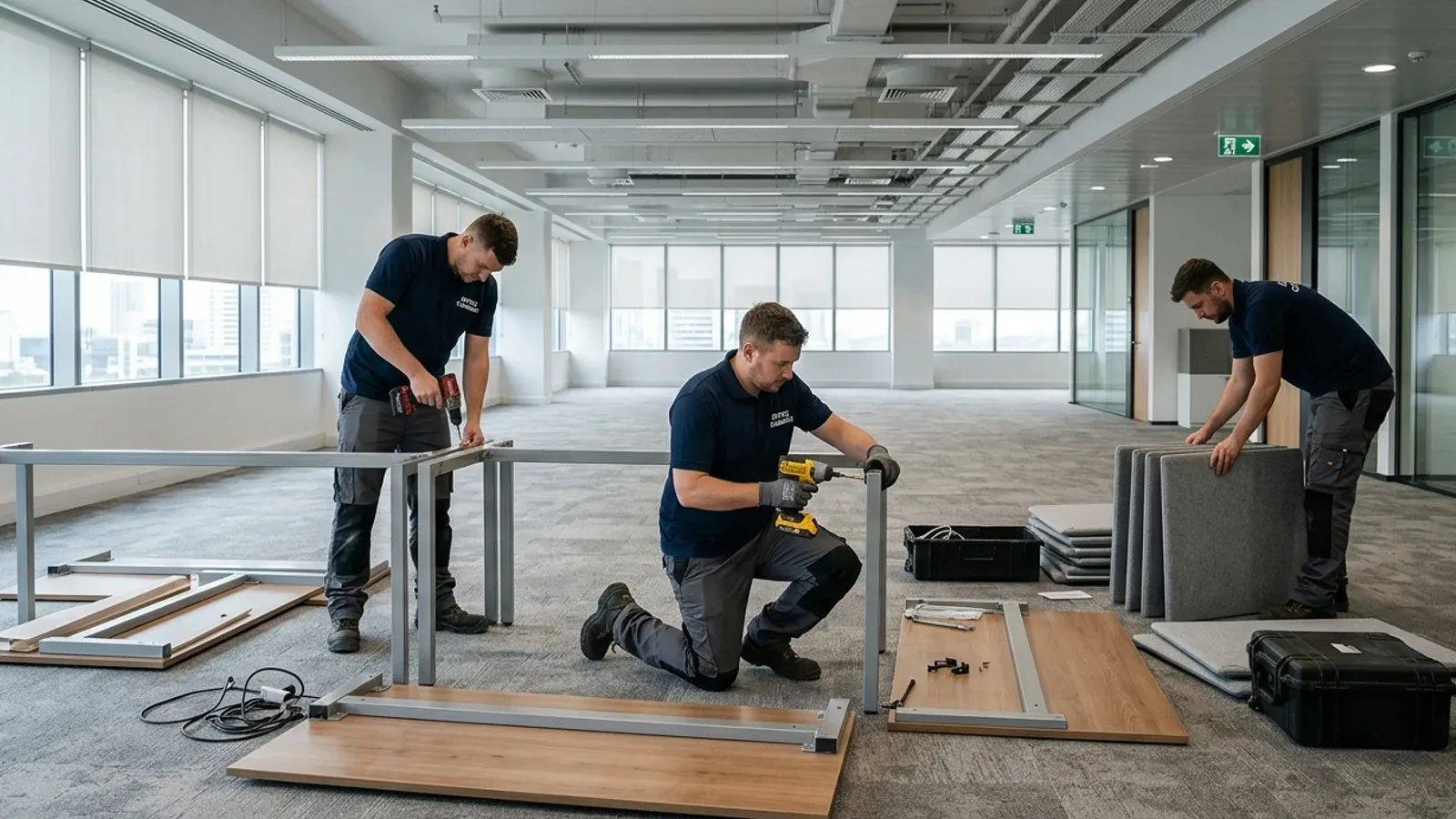
What to Expect From a Professional Junk Removal Crew in Dubai
What happens when a junk removal crew arrives in Dubai: the item check against your quote, dismantling, loading, the final sweep and what the crew will not do.