Our Responsible Disposal Process, Step by Step
How Junk Removals Dubai separates reusable items, recyclable material, electronics and residual waste without making unsupported recycling promises.

What is the responsible disposal process in Dubai?
Responsible disposal in Dubai means making a real routing decision for each part of a collected load. Junk Removals Dubai directs reusable items toward donation, recyclable materials toward authorised processing and the remainder toward licensed disposal. Electronics are kept distinct because their materials, batteries and data-bearing parts need a different route from ordinary household waste.
The process begins at the quote, continues while the vehicle is loaded, and becomes more detailed after collection. A mixed load booked through waste removal in Dubai may contain several material routes. Devices booked through electronics disposal are identified separately from the start.
Step 1: understand the load before the vehicle arrives
Photos establish more than volume. They show whether the job contains complete furniture, broken board material, screens, appliances, loose metal, cardboard or items that may be damp or contaminated.
The booking description should identify anything that changes handling:
- electronics, screens and devices with batteries;
- glass, mirrors or stone tops;
- furniture that is clean, complete and potentially reusable;
- damp, mouldy or pest-affected items;
- loose metal sections or sharp fittings;
- substances outside ordinary junk-removal scope.
Clear information prevents the first sorting decision from happening only after everything is inside the truck.
Step 2: preserve separation during collection
The loading order protects both the items and the information attached to them. A complete chair that may remain usable should not sit under broken shelving. A monitor should not disappear beneath loose metal. Clean cardboard should not be pressed against damp fabric.
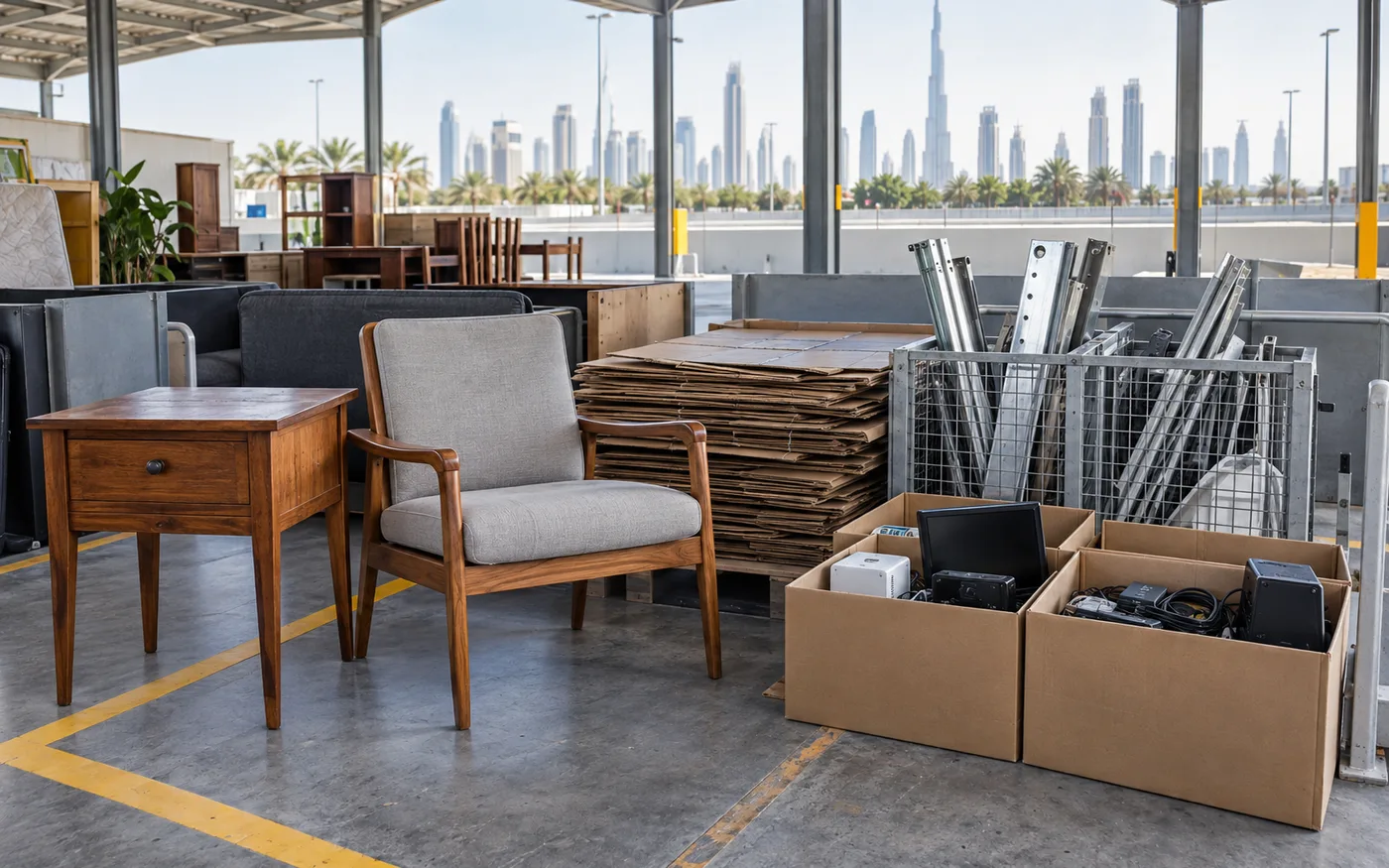
| Load group | What is checked | Why it stays identifiable |
|---|---|---|
| Reusable furniture | Condition, completeness and cleanliness | Damage during loading can remove the reuse option |
| Cardboard and paper | Dryness and contamination | Wet or mixed material changes the route |
| Metal pieces | Sharp edges and attached mixed material | Clean sections are easier to handle and sort |
| Electronics | Screens, batteries and data-bearing parts | Devices require a distinct electronics route |
| Residual waste | Damage, contamination or mixed construction | Not every item has a viable recovery route |
The day-of-junk-removal guide shows how crews build that separation into the working day rather than treating sorting as an afterthought.
For the item-level decision matrix behind these groups, see how we sort reusable, recyclable and landfill items. This article owns the full disposal process; the sorting guide owns the condition, material, contamination and special-handling checks.
Step 3: assess reuse without promising it
Reuse depends on the item reaching a suitable recipient in suitable condition. Clean, stable and complete furniture has more options than a cracked frame, missing hardware or upholstery affected by damp.
Junk Removals Dubai can direct suitable items toward donation, but collection is not a guarantee that a recipient will accept every item. The condition must be represented honestly. Safety-critical products, incomplete assemblies and contaminated soft furnishings should not be described as reusable because they still look presentable in a photograph.
Step 4: route materials and electronics separately
Material separation works best when pieces are already distinct: flattened cardboard, clean metal, timber panels and devices in their own groups. It becomes less practical when materials are bonded together, heavily contaminated or crushed into a mixed load.
Electronics need a separate decision. Devices may contain batteries, screens, circuit boards and stored information. Customers should remove personal data before collection, because Junk Removals Dubai does not wipe devices or issue data-destruction certificates. Our guide to where Dubai junk goes after collection explains the wider material routes without inventing a recovery percentage.
Responsible does not mean everything is recyclable
An honest process includes licensed disposal for material that cannot be reused or recovered. Calling every item recyclable would hide the condition and material limits that determine the real route.
Step 5: keep claims within what can be verified
The process does not rely on a vague “green” label. A standard household collection does not include a material audit, recycling certificate or named recovery percentage. Business customers who need documentation or a defined downstream requirement should state it before booking so the scope can be assessed rather than assumed afterwards.
Customers can support the process by keeping reusable items dry, boxing small electronics, separating accessible loose batteries, containing sharp fittings and disclosing contamination. These actions keep the route visible from the first photo to the final handoff.
The disposal decision starts with the keep decision
The most responsible item in a clearance may be the one that never enters the load. Documents, valuables, sentimental pieces and anything awaiting an ownership decision should be removed from the pickup zone first. The next guide on handling fragile and valuable items during clearance explains how keep, reuse and remove groups stay distinct before anything is wrapped or carried.
Frequently asked questions
It means the load is assessed by condition and material instead of being treated as one undifferentiated pile. Reusable items are directed toward donation, recyclable material toward authorised processing, and the remainder toward licensed disposal.
No. Material condition, contamination, mixed construction and the receiving route determine whether an item can be recovered. Responsible disposal includes an honest residual-waste route rather than calling every collected item recyclable.
The first check looks at condition, completeness, cleanliness and whether the item can be handled without making a safety claim. Reuse remains a possible route for suitable items, not a guarantee attached to every piece of furniture.
Electronics contain circuit boards, cables, batteries and data-bearing components that do not belong in an ordinary mixed load. Keeping devices visible allows them to follow the electronics route and prevents loose batteries or screens from being crushed.
A standard household pickup does not include a recycling certificate, material audit or data-destruction record. If a business needs documented downstream handling, that requirement must be stated before booking so the correct scope can be assessed.
Keep reusable items dry and complete, separate loose electronics and batteries, disclose contamination, and send clear photos before collection. Those steps preserve the information needed to choose an appropriate route after pickup.
Related articles
How We Sort Reusable, Recyclable & Landfill Items
See how junk is sorted in Dubai by condition, material, contamination and data risk before items follow reuse, authorised recycling or licensed disposal routes.
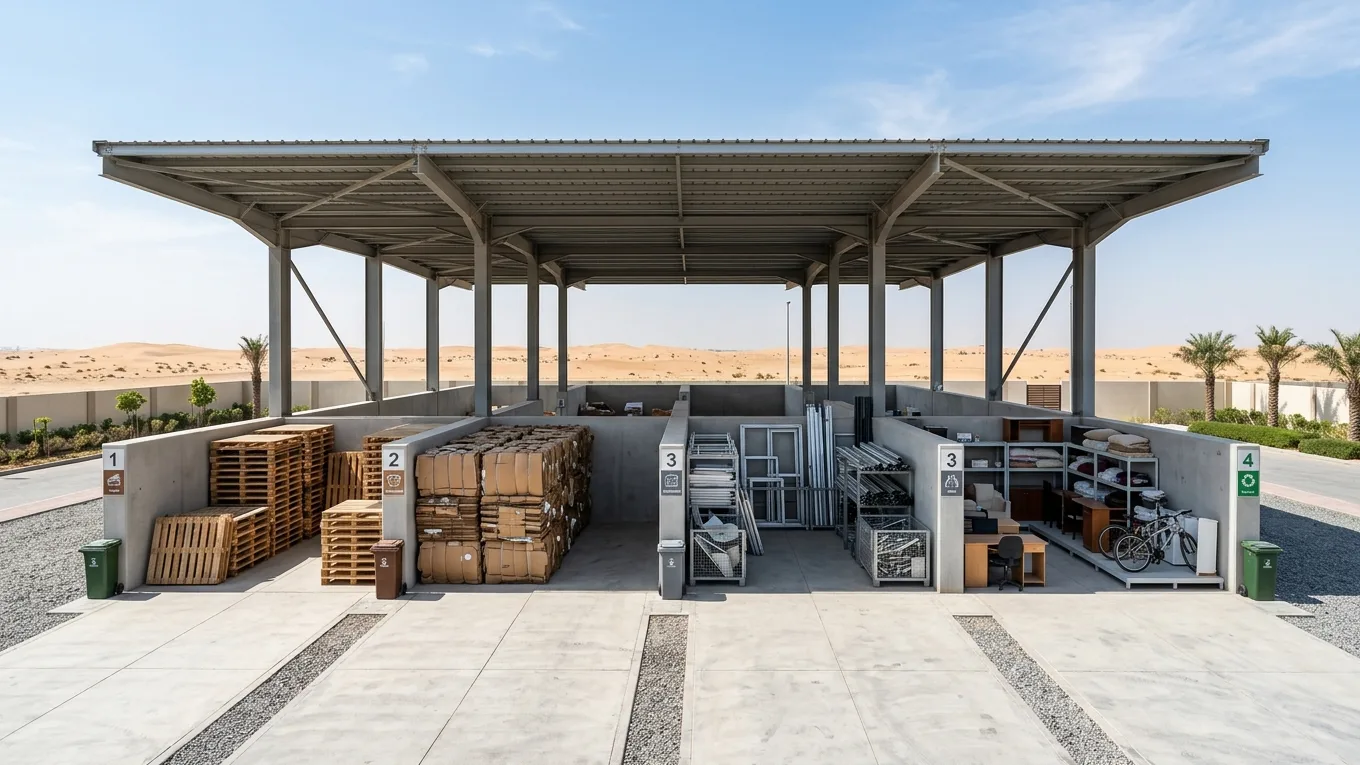
Our Eco Commitment: Diverting Junk From Landfill in Dubai
How Junk Removals Dubai reduces landfill waste: practical sorting, local donation routing, material recycling streams, and honest environmental limits.
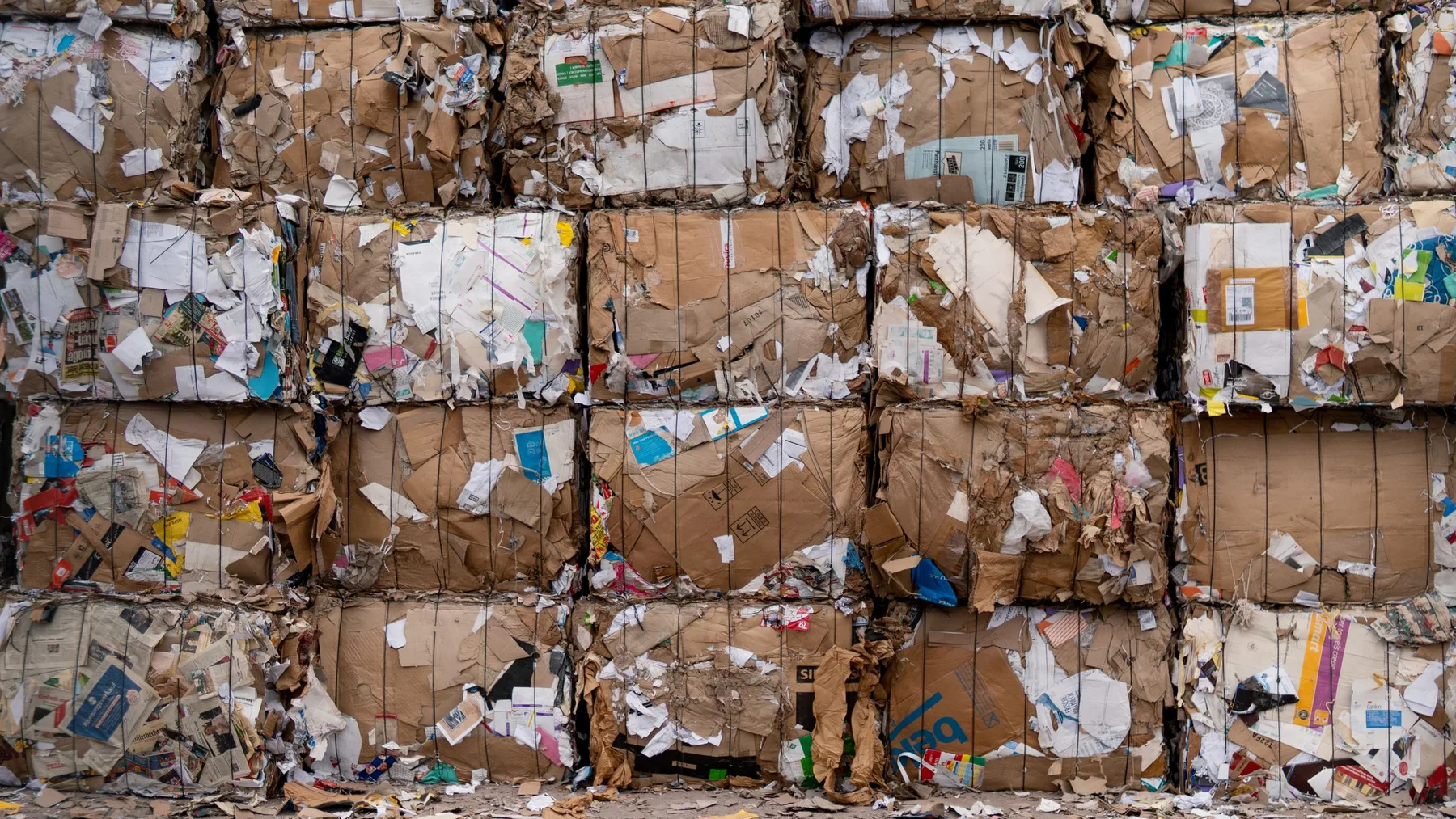
What Happens After We Haul Your Junk Away
After junk is hauled away in Dubai, the load is checked, kept separated, sorted and routed. Here is what happens at each stage and what you can still ask for.