Fines for Illegal Dumping in Dubai (and How to Avoid Them)
We do not publish a penalty figure for illegal dumping in Dubai. Here is what decides a household's exposure, who holds the real number, and how to avoid it.
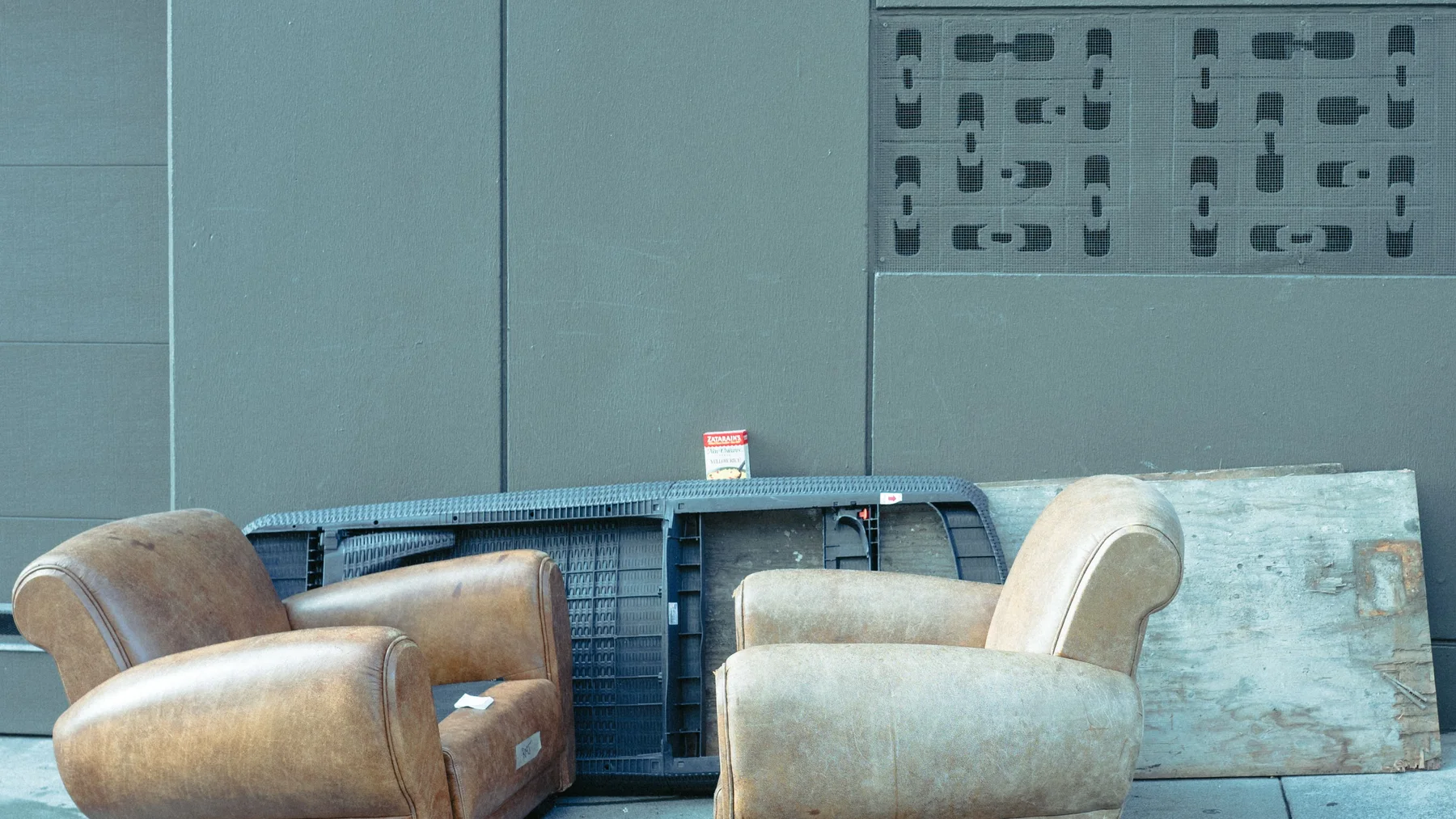
Junk Removals Dubai does not publish a fine figure for illegal dumping, and any removal company that quotes one confidently is guessing on your behalf. Penalties are set by the relevant Dubai authority, they are revised over time, and the figure that lands depends on what was dumped, where it was dumped and whether the same address has done it before. What a removal company can tell you is the part it deals with daily: what creates the exposure in the first place, and how households remove it.
Quick answer
There is no single published penalty figure a removal company can give you for illegal dumping in Dubai. The amount is set by the authority, not by us, and it varies with the material, the location and whether it is a repeat. Confirm the current figure with Dubai Municipality and with your building or community management, and remove the exposure by booking a collection that takes the load away from your address with a record of who took it.
Why This Guide Does Not Quote a Number
Three reasons, and each of them is a reason to be suspicious of any site that does quote one.
First, penalty schedules change. A figure copied onto a blog in one year is stale by the next, and readers act on it as though it is current. Second, the figure is situational rather than fixed: household waste in a bin area, bulky furniture on open ground and commercial waste dumped by a contractor are different matters with different treatment. Third, Junk Removals Dubai is a removal company. Stating a penalty amount as fact would mean asserting something we are not the authority on, in an article where readers would rely on it.
Our guide to Dubai waste disposal regulations explains which layer of rules governs which question, and it is the right starting point if you want to know who to ask about your own address.
What Determines a Household's Exposure
Exposure here means the likelihood of being identified and pursued, and the seriousness of what was done. Those factors sit within a household's control in a way the penalty schedule does not.
| Factor | Lower exposure | Higher exposure |
|---|---|---|
| Where the load ended up | Booked collection, taken by an identifiable company | Open ground, a bin area, or someone else's skip |
| What the load contained | General household furniture | Electronics, batteries, paint, tyres, chemicals |
| Whether the origin is traceable | Load removed under a booking with a record | Paperwork, labels and fit-out marks left in the load |
| Who moved it | A company with a name, a vehicle and contact details | An unidentified collector paid in cash |
| Whether it has happened before | First and only occurrence | A repeat at the same address |
The row that surprises people most is the material one. A mixed load with a television, a car battery or half a tin of paint in it is a different matter from a load of sofas and wardrobes, because those items have their own disposal routes. Our guide to bulk trash pickup covers what belongs in a bulky load and what has to be separated out before the collection.
Who Is on the Hook When a Contractor Dumps the Load
A household that pays someone to remove waste has not transferred the whole question along with the load. The waste came from an identifiable address, and the address is what an investigator works back to when a dumped load is examined.
That is the practical case for using a company you can name, invoice and contact afterwards. Our comparison of licensed and unlicensed junk haulers in Dubai goes through the liability difference in detail, including what to ask a company before the truck leaves your building.
How to Make the Question Not Apply
The reliable way to avoid a dumping penalty in Dubai is to make sure nothing from your address ever ends up somewhere it should not. That is a booking problem, not a legal one.
- Book the collection before the item leaves the room. Bulky items should go from where they stand into a vehicle, without an intermediate stop in a corridor, a lobby or a driveway.
- Name the items when you book. Electronics, batteries, paint and tyres need to be flagged so the collection is set up for them rather than discovering them at the truck.
- Use a company you can identify afterwards. A name, a vehicle, a contact number and an invoice are what make a load traceable to a legitimate route rather than to your front door.
- Confirm the building's requirements first. Service lift booking, gate registration and contractor hours are the constraints that push people into leaving items outside when a date slips.
- Keep the property clear before the handover date. Nearly every dumped item we see in Dubai was a scheduling failure, not a decision.
Cash, no name, no receipt
A collection arranged with someone who gives no company name, no vehicle details and no receipt is the arrangement that most often ends with the load somewhere it should not be. The saving on that collection is small; the exposure it creates points at the address that produced the waste.
The Permission Question People Confuse With the Penalty Question
Households often ask whether they need a permit and assume the penalty follows from not having one. Those are separate matters. Our guide to whether a permit is needed for bulk waste in Dubai sets out what a household genuinely has to arrange, which is mostly building access rather than a document issued to the resident. Penalty exposure comes from where the waste ends up, not from a missing form.
Booking a Collection That Leaves a Record
Our waste removal service across Dubai covers household and mixed loads from apartments, villas and offices, with the collection recorded against your booking. Call or message us with photographs of what needs to go, your building or community, and your deadline, and we will confirm what the building needs arranged and hold a slot.
The Item That Creates Most of the Risk
Furniture. Not because furniture is treated more seriously than anything else, but because it is the category people most often decide to leave outside rather than book. It is heavy, it is awkward, it feels like something a passer-by might want, and none of that changes where it ends up. Our guide to why furniture should not be dumped outside in Dubai covers what happens to it hour by hour once it goes out.
Frequently asked questions
We do not publish an amount, because Junk Removals Dubai is a removal company and not the authority that sets or issues penalties. Penalty schedules are set by the relevant Dubai authority, they are revised over time, and the figure that applies depends on what was dumped, where, and whether it happened before. Ask Dubai Municipality or your building or community management for the current figure for your situation rather than relying on a number quoted on a commercial website.
Placing one sofa, mattress or appliance outside without a booked collection is treated the same way as a larger load in most Dubai buildings and communities: as waste left where waste is not accepted. Volume changes how visible it is and how quickly it is reported, not what it is. A single bulky item still needs a booked collection to leave a property properly.
Dubai Municipality is the authority for municipal waste and dumping matters, and building or community management holds the rules and charges that apply inside a specific development. A tenant should also read their tenancy contract, which sets out how the property is to be returned and what happens if it is not. Those three sources answer the question for a specific address; a removal company cannot answer it on their behalf.
Many Dubai developments do recover the cost of clearing an obstruction from the resident responsible, and the terms for that sit in the building's own rules or the community's service documentation rather than in municipal law. That charge is separate from any municipal penalty and can apply even where no authority is involved. Ask your building management what their process is before assuming an item left in a common area is free to leave there.
A landlord or property manager becomes involved because the property is inspected at handover and because building management contacts the registered owner, not only the occupant. Items left on a villa verge, in a corridor or beside a bin store are visible at that inspection. Clearing the property before the walkthrough keeps the conversation about the condition of the unit rather than about waste left behind.
Yes. A skip on a Dubai site or driveway is hired by a specific party for a specific load, and adding household furniture or appliances to it puts waste into someone else's paid disposal arrangement without their agreement. The skip holder can refuse the item and leave it beside the skip, which puts the household back where it started with the item now clearly identified.
Related articles
What to Do When Your Building Won't Take Bulky Junk
A building refusing a bulky item is an access question, not a dead end. Here is who to ask, what unlocks the collection, and how to get the item out this week.
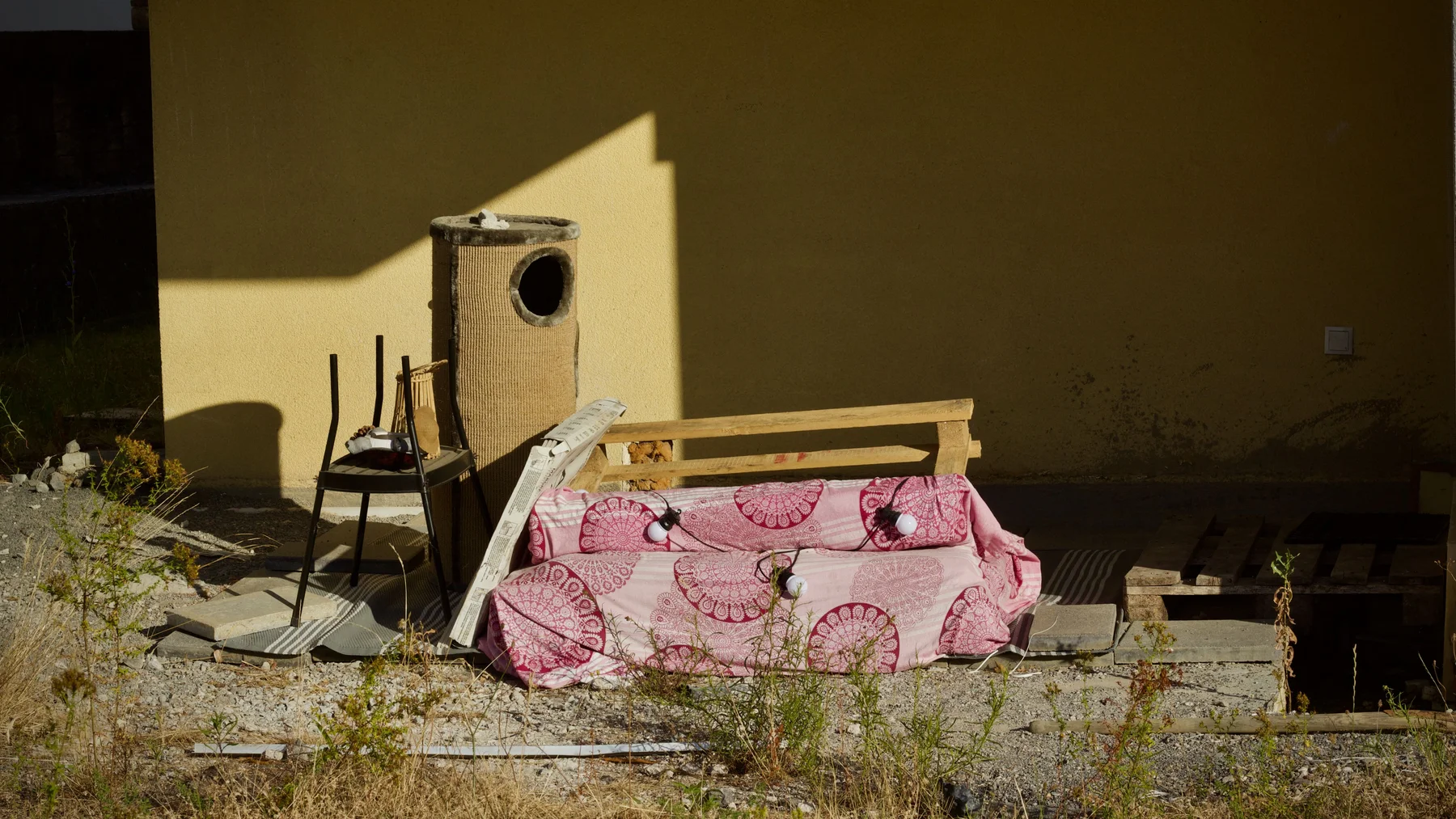
Why You Shouldn't Dump Furniture Outside in Dubai
Furniture left outside a Dubai building is not collected by anyone. It stays where it was put until the household that put it there pays to move it again.

Why Piling Junk on the Balcony Is a Problem in Dubai
Piling junk on Dubai apartment balconies causes building fines, serious wind hazards, sun damage, and pest infestations. Learn how to clear balcony clutter safely.