Retail Store Clearance & Fit-Out Waste in Dubai
Guide to retail store clearance in Dubai malls. Learn mall work permits, night-shift logistics, display fixture recycling, and shop handovers.

Retail turnover in Dubai moves at an unprecedented pace, driven by dynamic seasonal fashion collections, brand upgrades, and high-stakes lease rollovers across premier shopping destinations. From luxury flagship boutiques in The Dubai Mall, Mall of the Emirates, and Dubai Hills Mall to bustling high-street retail units in City Walk, JBR, Dubai Festival City, and Deira City Centre, clearing a retail store demands precision logistics.
Retail clearances operate under far stricter operational constraints than standard residential cleanouts or general commercial jobs. Shopping mall management teams enforce zero-tolerance policies regarding daytime business disruption, corridor cleanliness, dust containment, and freight elevator protocols. Executing a store clearance without a disciplined project methodology risks heavy financial penalties from mall management and delayed handover milestones.
Mall Logistics Protocol
Ensure your clearance contractor holds active comprehensive general liability insurance and verified mall gate passes. Coordinate high-capacity warehouse junk removal for large fixture runs, alongside scheduled bulk trash pickup for rapid material extraction.
The Operational Complexity of Mall Retail Clearances in Dubai
Operating within upscale shopping malls presents distinct challenges that separate commercial retail clearances from standard demolition and waste hauling projects.
1. Mandatory Night-Shift Operational Windows
Dubai shopping malls enforce a strict boundary between public retail hours and operational maintenance. Heavy clearance operations, mechanical fixture dismantling, debris bagging, and loading dock transits are restricted to overnight shifts, typically between 11:30 PM and 7:00 AM.
Crews must mobilize rapidly after mall closing, establish protective barriers, dismantle bulky architectural displays, evacuate materials through underground freight tunnels, and vacuum all common corridors before early-morning retail staff arrive.
2. Tenant Coordination Approvals and Mall Work Permits (NOC)
Every major retail developer, including Emaar Malls, Majid Al Futtaim, and Nakheel, requires an approved Mall Work Permit (NOC) issued by the Tenant Coordination (TC) department. Obtaining clearance authorization requires:
- Active trade licenses matching commercial strip-out and waste handling activities.
- Comprehensive Third-Party Liability (TPL) insurance policies naming the mall developer as an additional insured party.
- Method statements and risk assessments detailing personal protective equipment (PPE), dust management, and fire safety compliance.
- Security gate passes registered with Emirates IDs for all nocturnal crew members.
- Refundable security deposits to safeguard public mall flooring, escalator glass, and freight lift cabins.
3. Dust Containment and Mall Asset Protection
Mall management teams inspect common areas with absolute precision. Contractors must tape heavy-duty corrugated plastic protection (Correx sheets) or masonite boards across all public floor pathways leading to service lift lobbies. In addition, floor-to-ceiling zip-wall dust containment partitions with high-efficiency particulate air (HEPA) vacuum filtration systems must be erected across shop frontages to prevent airborne gypsum dust from settling on adjacent luxury storefronts.
Specialized Fixture Materials and Custom Joinery Demobilization
Modern retail fit-outs feature an intricate mixture of engineered materials designed for visual appeal and customer durability:
1. Tempered Glass Showcase Vitrines and Glazing
High-end retail showcases feature thick tempered glass panels and UV-bonded display boxes. Dismantling these units requires professional glass suction lifters, protective corner guards, and criss-cross taping to prevent shattering during transit through service elevator corridors.
2. Custom Joinery, Point-of-Sale (POS) Counters, and Cash Wraps
Retail cash wraps are heavily built assemblies combining MDF, hardwood veneers, acrylic display tops, solid Corian surfaces, and internal electrical channels for payment terminals and LED accent ribbons. Skilled clearance teams de-energize circuits and carefully slice joinery into manageable flat panels.
3. Metal Gondolas, Slatwalls, and Perimeter Racking
Perimeter display walls utilize aluminum inserts, steel standards, and heavy gauge chrome hanging brackets. Knocking down these modular systems requires systematic unbolting and binding with industrial strapping bands for balanced transport.
4. Visual Merchandising Props, Mannequins, and Acrylic Displays
Window displays feature fiberglass mannequins, polyurethane pedestals, perspex sign holders, and promotional backdrop graphics. Segregating these materials into clean polymer fractions ensures proper recycling and diversion from landfill bins.
| Retail Fixture Type | Material Composition | Clearance Protocol | Recovery / Recycling Stream |
|---|---|---|---|
| Perimeter Slatwalls | MDF, aluminum inserts, laminate | Mechanical unfastening & flat stacking | Metal scrap sorting & wood fiber recovery |
| Showcase Vitrines | Tempered safety glass, stainless steel | Glass suction lifting & protective taping | Industrial glass cullet recycling |
| POS Cash Wraps | Hardwood, electrical channels, Corian | Electrical disconnect & saw cutting | Solid surface reclamation & copper salvage |
| Garment Gondolas | Chrome, wrought iron, powder-coated steel | Knockdown unbolting & strapping | High-grade scrap metal smelting |
| Retail Storefront Signs | 3D acrylic lettering, LED modules, vinyl | Electrical isolation & unmounting | Electronic scrap & polymer processing |
| Visual Props & Mannequins | Fiberglass, perspex, foam core | Non-destructive unbolting & sorting | Plastic polymer reclamation or liquidator reuse |
Step-by-Step Retail Store Clearance Guide
Follow this systematic schedule to execute a seamless shop clearance and satisfy landlord reinstatement requirements.
How to
How to Conduct a Mall Retail Store Clearance in Dubai
- 1
Mall Permitting and Risk Assessment
Submit contractor trade licenses, third-party insurance, method statements, and work permits to mall tenant coordination teams. Secure overnight access gate passes for all staff.
- 2
Stock Segregation and Inventory Extraction
Box and remove remaining unsold retail merchandise, POS terminals, and high-value security sensor systems before physical store strip-out commences.
- 3
Corridor Protection and Dust Containment
Tape protective floor runners and edge guards throughout the service corridors and freight elevator cabs. Erect zip-wall dust containment partitions across the shop frontage.
- 4
Systematic Fixture Knockdown and Sorting
Dismantle metal garment rails, disconnect lighting modules, unscrew slatwalls, and disassemble timber display islands into flat transportable stacks.
- 5
Overnight Loading Bay Evacuation and Final Handover
Load sorted waste into commercial haulage trucks at the mall loading dock. Clean all service areas with industrial sweepers and complete the pre-dawn inspection with mall security.
Sustainable Disposal and Fixture Diversion
Retail waste generation in Dubai is substantial during tenant transitions. Responsible commercial haulers prioritize sustainable disposal pathways:
1. Commercial Metal Upcycling
Perimeter steel uprights, chrome hangers, overhead track lighting rails, and bracket systems possess high scrap value. Segregating these metals diverts tons of high-grade steel to regional smelting foundries across the UAE.
2. Acrylic and Synthetic Polymer Reclamation
Signage panels, clear display risers, and branded acrylic blocks are processed through specialized polymer reclamation plants rather than landfilled.
3. Packaging, Pallet, and Cartridge Recycling
Cardboard transport cartons, protective styrofoam corners, bubble wrap, and wooden shipping pallets used during store demobilization are compacted and baled for industrial paper and wood processing facilities.
4. Non-Branded Display Asset Donation and Liquidation
Standard clothing racks, wooden hangers, storage shelving, and neutral staging tables that remain in good structural condition are directed to local discount liquidation platforms or community charities.
Coordinating Handover with Landlord Reinstatement
When handing back a retail shell to developers such as Emaar, Nakheel, or Majid Al Futtaim, tenants must clear all non-standard elements. This process often includes removing custom architectural spotlights, specialized acoustic ceilings, security gate antennae, and floating vinyl floors.
Completing the furniture, fixture, and loose debris removal promptly gives civil demolition contractors an open staging ground to finalize MEP terminations, fire sprinkler alignments, and base-wall plaster repairs.
For corporate office projects, explore our comprehensive guide on office junk removal in Dubai: a facilities guide. For food and beverage venues, read our practical instructions on restaurant junk and equipment removal in Dubai.
Frequently Asked Questions
What are the standard working hours for retail store clearance in Dubai shopping malls?
Major shopping malls including The Dubai Mall, Mall of the Emirates, and Dubai Hills Mall restrict heavy clearance, strip-out work, and debris removal to mandatory overnight shifts, typically between 11:30 PM and 7:00 AM.
What mall permits are needed before commencing a retail shop clearance?
Contractors must submit a Mall Work Permit (NOC), third-party liability insurance coverage, risk assessments, method statements, and security gate passes for all crew members before accessing service corridors.
How is tempered glass from retail display cases and storefronts disposed of?
Tempered glass panels must be dismantled using suction lifters, taped to prevent shatter risks during transit, and transported to specialized glass recycling processors in Dubai rather than mixed construction skips.
Can custom wooden cash wraps and acrylic point-of-sale displays be recycled?
Yes. Timber panels, metal framing, and acrylic shelving are stripped apart into distinct material streams on-site, enabling industrial recycling centers to process plastics, metals, and composite boards separately.
What happens if a store clearance is not finished before mall morning opening hours?
Failing to clear mall common corridors, service bays, or shop frontage by designated morning deadlines results in severe financial penalties from mall management and immediate suspension of contractor access permits.
How do retail brands handle unsold non-hazardous stock and seasonal marketing materials?
Commercial clearance specialists segregate unsold non-perishable inventory for approved discount liquidators or charity channels, while shredding obsolete marketing signage and promotional banners for fiber recycling.
Frequently asked questions
Major shopping malls including The Dubai Mall, Mall of the Emirates, and Dubai Hills Mall restrict heavy clearance, strip-out work, and debris removal to mandatory overnight shifts, typically between 11:30 PM and 7:00 AM.
Contractors must submit a Mall Work Permit (NOC), third-party liability insurance coverage, risk assessments, method statements, and security gate passes for all crew members before accessing service corridors.
Tempered glass panels must be dismantled using suction lifters, taped to prevent shatter risks during transit, and transported to specialized glass recycling processors in Dubai rather than mixed construction skips.
Yes. Timber panels, metal framing, and acrylic shelving are stripped apart into distinct material streams on-site, enabling industrial recycling centers to process plastics, metals, and composite boards separately.
Failing to clear mall common corridors, service bays, or shop frontage by designated morning deadlines results in severe financial penalties from mall management and immediate suspension of contractor access permits.
Commercial clearance specialists segregate unsold non-perishable inventory for approved discount liquidators or charity channels, while shredding obsolete marketing signage and promotional banners for fiber recycling.
Related articles
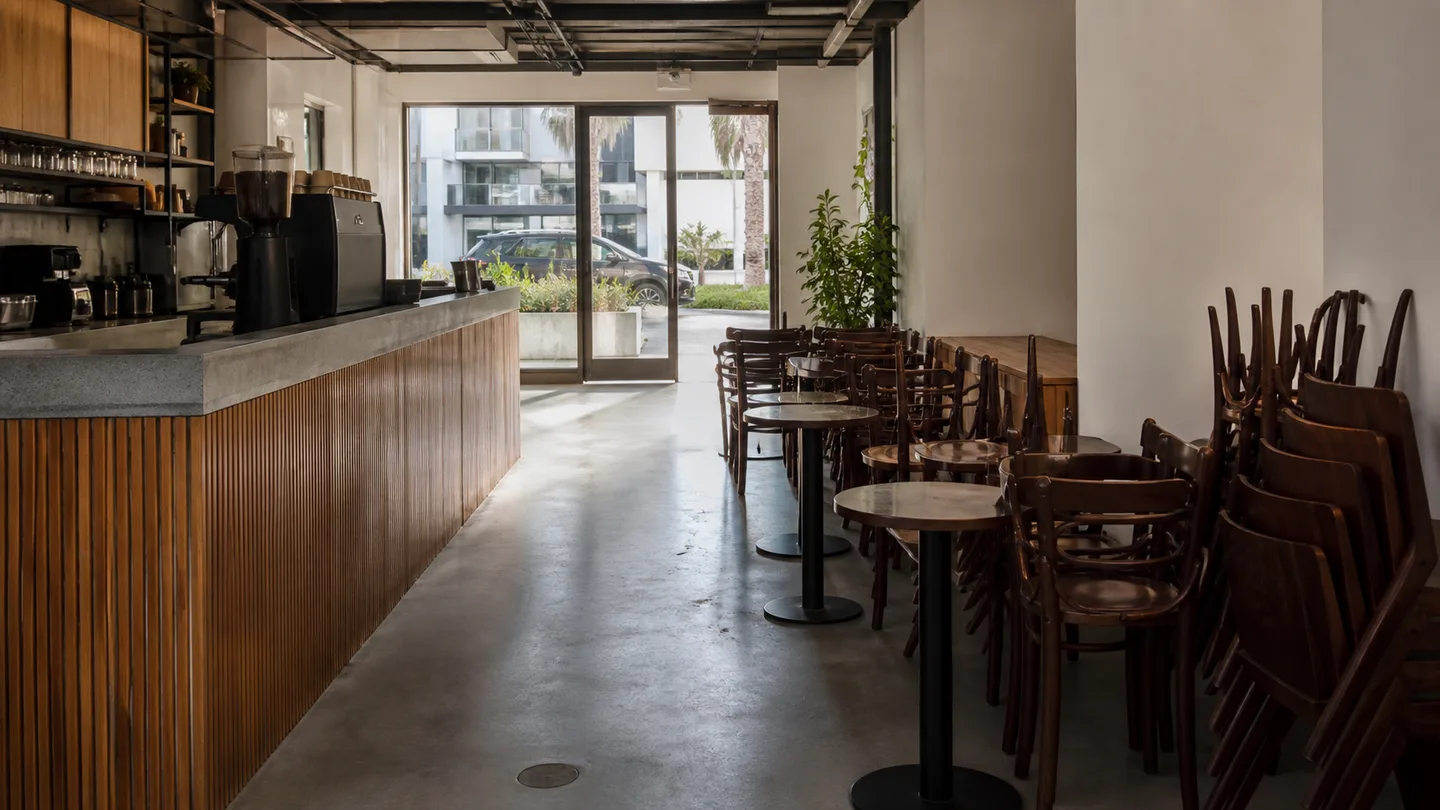
Cafe & Coffee Shop Clearance in Dubai
Plan cafe clearance in Dubai with an ownership inventory, separate appliance preparation and a confirmed loading route for unwanted furniture and equipment.

Clinic & Medical Office Furniture Removal in Dubai
Plan clinic furniture removal in Dubai with an approved inventory, empty storage units, clear access, and complete separation from medical waste.

Recurring Commercial Junk Removal Contracts in Dubai
Compare recurring commercial junk removal contracts in Dubai. Review pickup frequencies, service level agreements, bin rotation, and waste manifests.