Selling vs Disposing of Old Appliances in Dubai
A working appliance is worth trying to sell in Dubai. A faulty one almost never is. Condition decides this faster than the appliance's age.
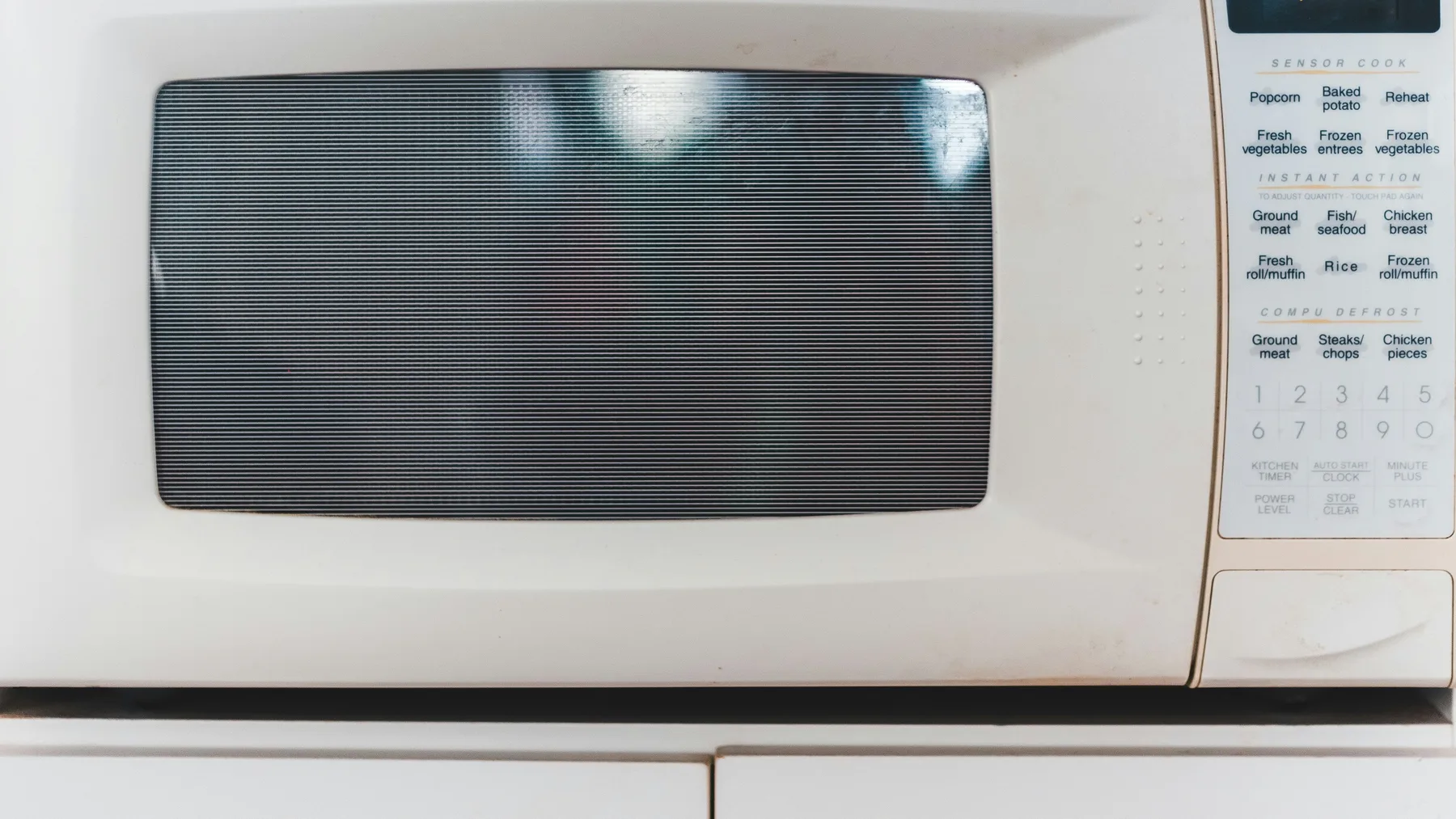
An appliance that still works is worth trying to sell in Dubai. One that doesn't almost never is. That single test, does it function, decides the question faster and more reliably than the appliance's age, its original price, or how it looks. A five-year-old fridge that holds temperature is a real sale. A two-year-old one that doesn't is disposal, whatever it cost when new.
Quick answer
Sell an appliance when it genuinely works and there's enough time before it needs to be gone for a buyer to appear, typically several days to a couple of weeks depending on the item. Dispose of it when it has a functional fault, or when the deadline for clearing the property is too close for a sale to complete in time. Cosmetic wear doesn't rule out a sale. A fault a buyer would discover after paying does.
The Test That Matters
Condition, not age, decides whether an appliance is worth trying to sell, and the test is stricter than most people apply to their own appliances.
Working means it powers on, completes its normal cycle, and does what it's supposed to without a fault you'd need to disclose and discount for: a fridge that holds its temperature, a washing machine that doesn't leak, a microwave that heats evenly. Cosmetic wear, scuffs, a dated colour, a control panel that's lost some of its shine, doesn't disqualify a sale on its own. Buyers of secondhand appliances expect a used appearance and price accordingly.
A functional fault is a different category entirely. An appliance that intermittently fails, that needs a workaround to use, or that would need repair before someone else could rely on it belongs in disposal, not a listing. Selling something you know has a fault the buyer will discover after paying doesn't save the appliance from disposal, it just delays it and adds a dispute in between.
Selling and Disposing Solve Different Problems
| Selling | Disposing | |
|---|---|---|
| Best suited to | Working appliances with no undisclosed fault | Faulty appliances, or any appliance against a tight deadline |
| Speed | Open-ended, depends on a buyer appearing | Booked and collected within a day or two |
| Certainty | Not guaranteed, a buyer can fall through | Fixed once booked |
| Your effort | Listing, messaging, price negotiation, arranging collection | Booking a slot, being present for collection |
| Return | Real money, if a buyer is found in time | None, but no ongoing effort either |
| What happens if it fails | Appliance still needs disposing of, later than planned | Not applicable, the outcome is certain from booking |
Reading the last row is the point of the table. An attempted sale that doesn't complete in time doesn't replace disposal, it postpones it, and usually to a worse moment than if disposal had been booked from the start.
The Deadline Question Decides More Than the Fault Question
Even a genuinely working appliance can be the wrong candidate for selling, if there isn't enough runway left before it has to leave the property.
Selling depends on someone else's decision, not just yours: a buyer has to see the listing, decide it's worth the asking price, and arrange a time and a vehicle that suits both sides. Small appliances in good condition, a kettle, a toaster, a small fan, tend to move quickly because the price is low enough that a buyer decides fast. Large appliances, a fridge, a washing machine, an oven, sell for more but take longer, because fewer buyers want one and collection is a bigger undertaking for them to arrange.
Against a fixed deadline, a handover, a lease end, a move confirmed for a specific date, that timeline has to fit inside the time available, not the other way round. An appliance listed with three days left before a property has to be clear is competing against the clock as much as against any other listing, and disposal is the safer default once that runway gets short.
Where a "Sellable" Appliance Ends Up Disposed Anyway
The failure pattern with selling looks a lot like the one with donating furniture: a genuinely good candidate stalls on logistics rather than on its own condition.
A buyer agrees a price and then cancels. A buyer wants delivery rather than collection, which a private seller isn't set up to arrange. A buyer never confirms a time at all, and the listing sits open while the actual deadline for the property keeps getting closer. None of these are failures of the appliance. They're the ordinary friction of a private sale, and they take real time to work through, time a tight clearance schedule doesn't always have.
Set a cutoff date before you list anything
Decide, before listing an appliance for sale, the last day a sale can still happen without missing your own deadline. If that day arrives with no buyer, book disposal immediately rather than extending the listing "for a few more days," which is exactly how a sellable appliance ends up leaving the property in a same-day panic instead of a planned collection.
Selling Part of the Load, Disposing of the Rest
Most households clearing several appliances at once end up with a mix: one or two genuinely worth listing, and several that clearly aren't. That split is normal and doesn't need to be resolved all at once.
Sort appliances honestly by the working test before doing anything else. List what passes it, with a realistic cutoff date. Book collection for what fails it now, rather than waiting to see how the listed items go. An appliance disposal booking handles fridges, washing machines, ovens and similar major appliances, refrigerant and all, while an electronics disposal booking covers smaller devices and anything with a circuit board that doesn't belong in a general load. Both can run in the same visit as whatever furniture is also leaving, which is worth reading about in our comparison of donating against junking furniture in Dubai, since the same lead-time problem applies there too.
To arrange collection for whatever isn't sellable, or for everything if none of it is, send photographs on WhatsApp or through the contact page and mention which appliances, if any, are still listed for sale, so the quote reflects what's being collected that visit.
One Question Before You List Anything
Before photographing an appliance to sell, run the working test honestly and set a real cutoff date against your own deadline. An appliance that passes both is worth listing. One that fails either, condition or time, is disposal, and booking it now rather than after a stalled sale is what keeps a clearance on schedule instead of turning it into a same-day scramble at the end.
Frequently asked questions
Only if it genuinely works. A functioning appliance, even an older one, has real resale value in Dubai and is worth the effort of listing it. A faulty one almost never is, because a buyer expects a working unit at a secondhand price and a fault discovered after collection turns the sale into a dispute rather than a transaction. Test the appliance honestly before deciding, not on how it looks or how expensive it once was.
Disposal is fast: booked and collected within a day or two once you call. Selling is open-ended, because it depends on a buyer appearing, agreeing a price, and arranging a time that suits both sides, which can take anywhere from a day to several weeks depending on the appliance and the price asked. If there's a fixed deadline for the appliance to be out of the property, that timeline needs to fit inside it, not the other way round.
It's a reasonable way to protect a deadline rather than gamble on it. Book a collection for a date close to your actual cutoff, and cancel or reschedule it if a buyer confirms before then. This costs nothing extra unless the collection goes ahead, and it removes the scenario where a sale that seemed close falls through with no time left to arrange disposal at all. Treat the booking as the safety net, not the listing.
In principle yes, but it's a narrower and slower market than selling a working unit, and it rarely suits a deadline-driven clearance. If a specific broken appliance has a genuinely valuable part, a compressor, a motor, replacement panels, it can be worth a separate, patient listing aimed at that buyer. For a household clearing a property on a schedule, this is rarely the practical route, and disposal remains the reliable one.
No. Junk Removals Dubai is a collection and disposal service, not a buyer, so there's no purchase offer made on any appliance at collection. If an appliance is genuinely sellable, that's a separate transaction to arrange yourself before booking a collection for whatever doesn't sell. Once you're ready to dispose of it, whether that's the whole load or just what didn't find a buyer, a crew collects it in one visit.
They're routed for recycling rather than sent straight to landfill by default. Refrigerants are handled separately from a cooling appliance's frame, and the metal in a washing machine, fridge or oven is recovered as material rather than discarded whole. Disposing of a still-working appliance instead of selling it isn't wasteful in the way it might feel: the material is recovered either way. What's lost is only the resale value, not the appliance's usefulness to someone else.
Small appliances in good condition, kettles, toasters, small fans, vacuum cleaners, usually move faster because the price is low enough that a buyer decides quickly and collection is simple for them to arrange. Large appliances can sell for more but take longer to place, since fewer buyers want a fridge or washing machine and collection needs a vehicle and often a second person. Factor that difference into your own timeline before deciding which route each appliance needs.
Related articles
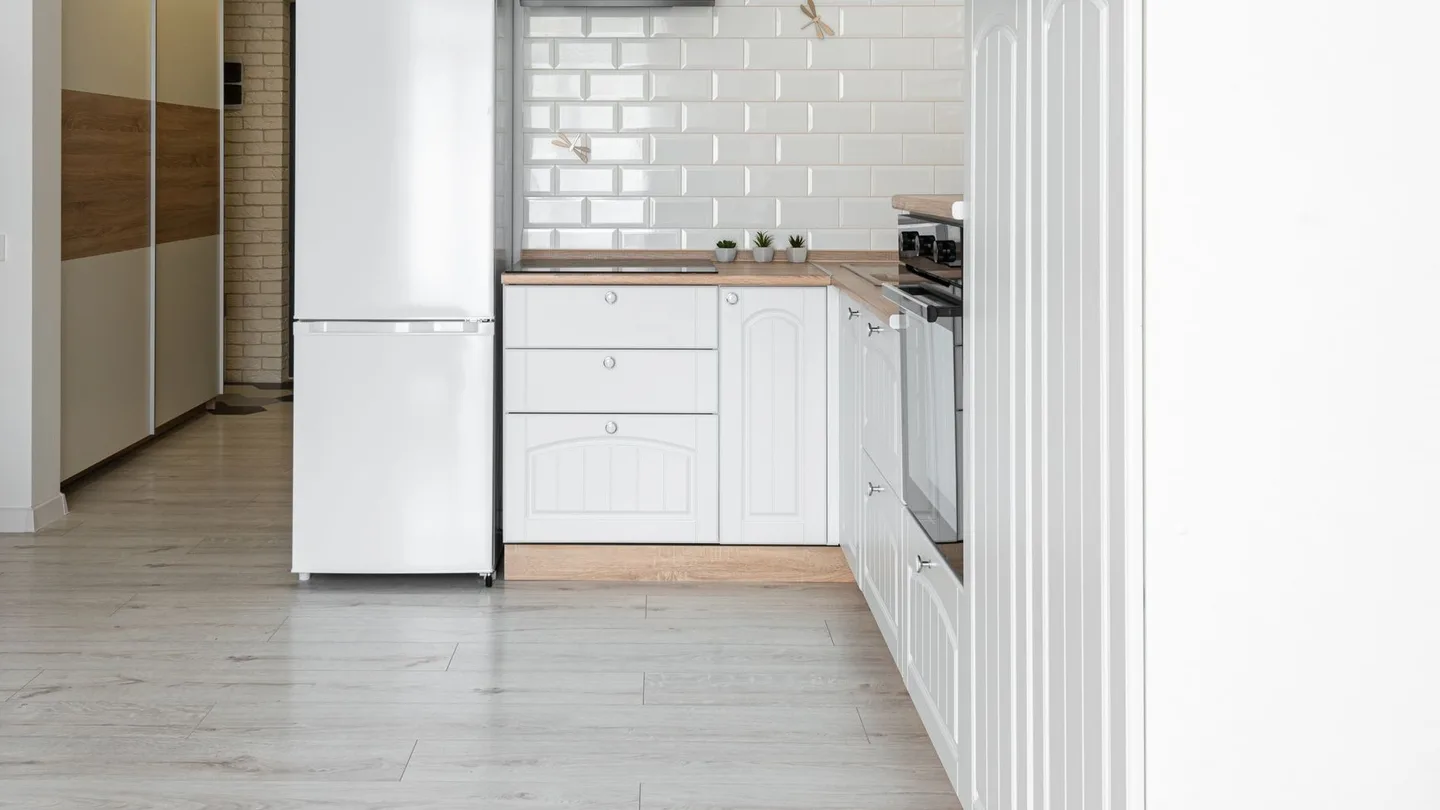
Appliance Disposal Checklist Before You Upgrade
Replacing a fridge or washing machine in Dubai? Check ownership, delivery timing, safe disconnection and the old appliance's removal route before upgrade day.
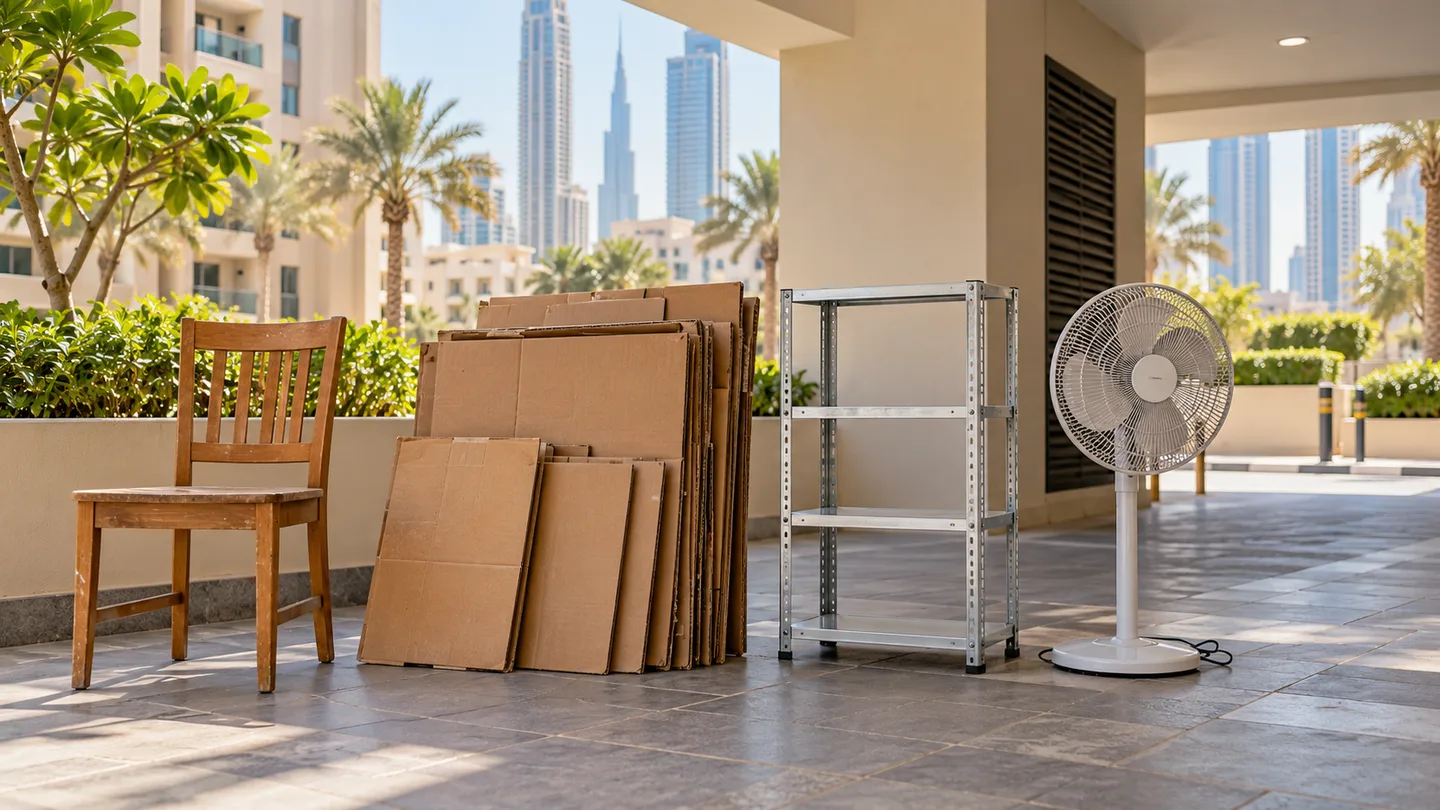
Benefits of Eco-Friendly Junk Disposal in Dubai
Eco-friendly junk disposal in Dubai separates reusable and recyclable items, reduces mixed waste and gives households clearer removal decisions.
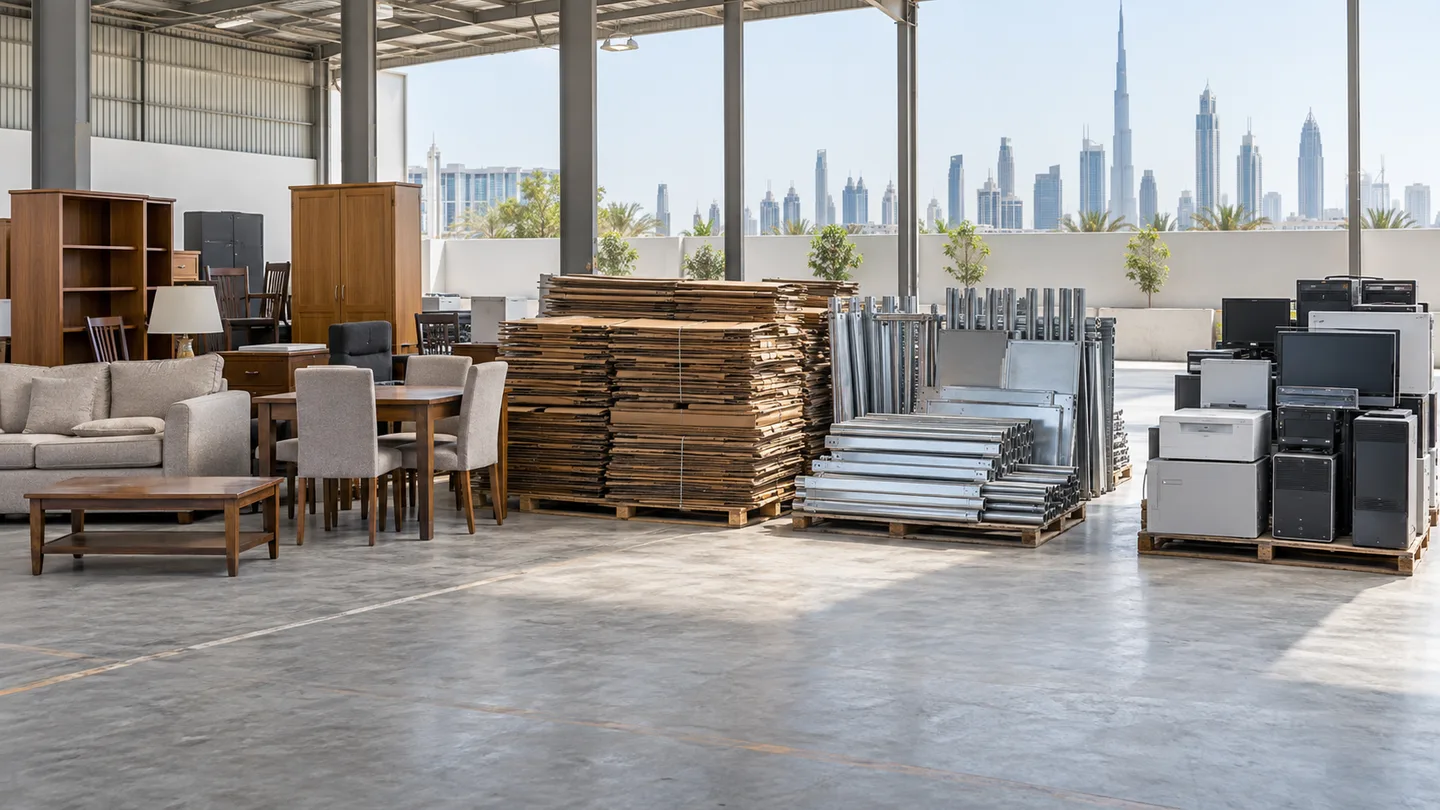
Our Responsible Disposal Process, Step by Step
How Junk Removals Dubai separates reusable items, recyclable material, electronics and residual waste without making unsupported recycling promises.