Garage Sale Leftovers: Fast Junk Removal in Dubai
Garage sale leftovers are the items the market already turned down, which is why re-listing them rarely works. Here is the faster route for clearing what is left.
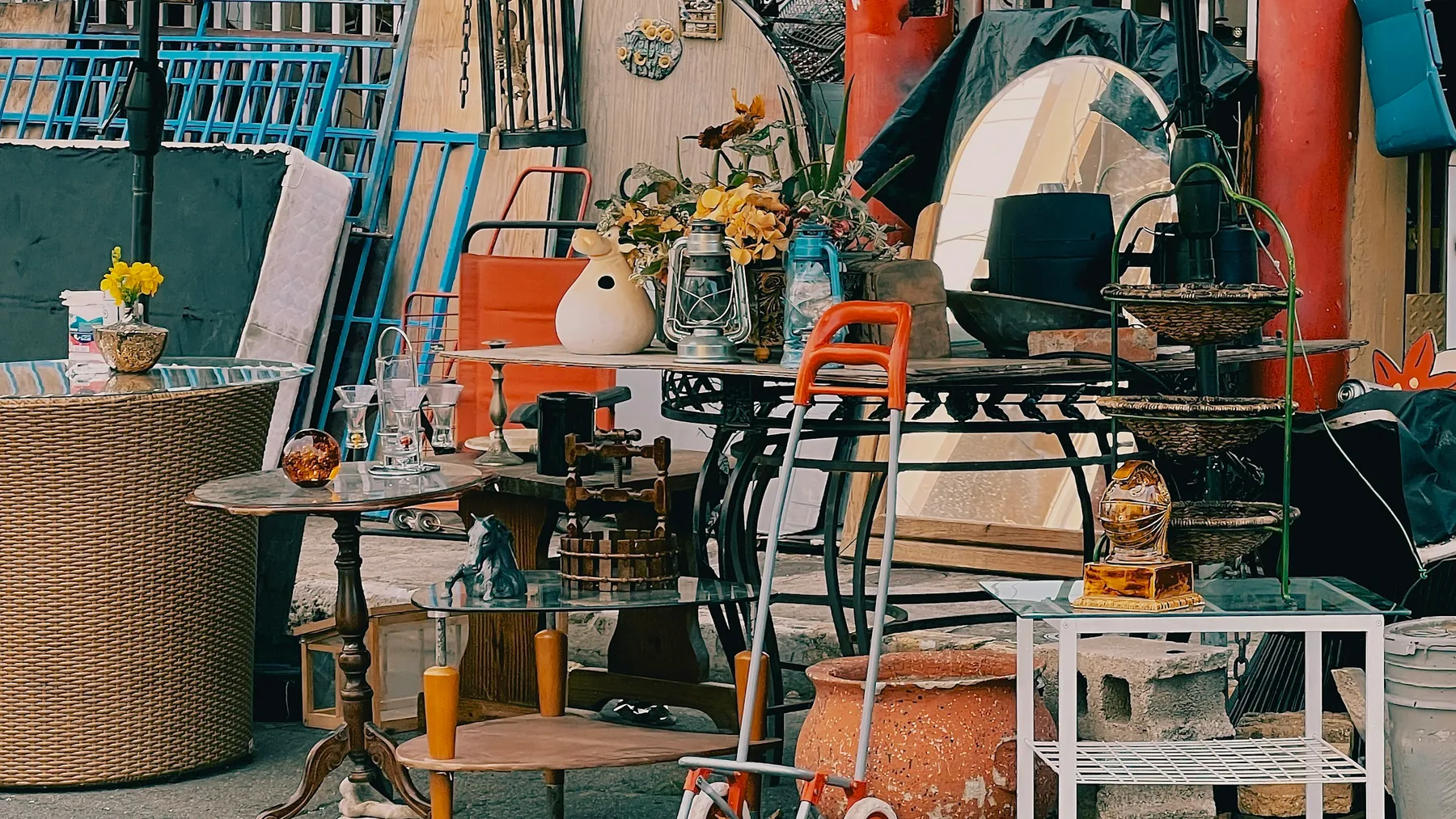
Garage sale leftovers are the items the market has already turned down, which is why the plan that cleared everything else will not clear them. Re-listing the same pieces to the same buyers tends to repeat the same result. The practical route for what remains is a single household collection, booked to land the day after the sale closes.
Quick answer
Split the leftovers into two groups on the day the sale ends. Genuinely good condition goes for donation. Everything else goes with one collection. Give any buyer who agreed to collect an item a specific cutoff, and put the item back in the general group when it passes. Book the collection before the sale opens rather than after it closes, because the pile is standing in a garage, driveway or parking bay the household needs back, and Dubai heat degrades upholstery and electronics faster than most people expect.
Why the Leftovers Are the Hardest Part of the Sale
A garage sale sorts your possessions for you, and the sorting is more accurate than it feels at the time.
Everything that sold was examined by a person standing in front of it who decided it was worth the price on the label. Everything still standing at the end was examined by those same people and declined. That is a real market result, gathered over a full day from the audience most likely to want second-hand household goods in your area. The unsold group is not a random remainder waiting for the right buyer. It is the set of items that the most motivated available buyers looked at and passed over.
This matters because the instinct afterwards is to run the same process again, either by holding a second sale or by listing the remainder online. For most of what is left, that repeats the result at the cost of another two or three weeks with the pile still in the property.
| What tends not to sell | Why buyers pass on it | Where it usually goes |
|---|---|---|
| Worn upholstered furniture | Condition is visible and a buyer cannot un-see a stain or a sag | Household collection |
| Partial sets of crockery, cutlery or glassware | Incomplete sets have almost no resale value at any price | Donation if unchipped, otherwise collection |
| Older televisions, printers and small electronics | Superseded models, unclear working condition, missing cables | Electronics disposal |
| Exercise equipment and bulky plastic items | The buyer has to solve transport for something large and low-value | Household collection |
| Mattresses and bedding | Second-hand demand is minimal regardless of condition | Mattress collection |
| Children's toys and outgrown items | Supply exceeds demand at any given sale | Donation if complete and clean |
The two useful destinations for the leftovers are donation and collection, and the split is decided by condition rather than by what an item originally cost. Our guide to where to donate used furniture in Dubai covers what condition a piece needs to be in before it is worth offering, which is the part households most often judge in the optimistic direction.
The Pile Is Standing Somewhere It Cannot Stay
The leftovers problem is a location problem before it is a disposal problem.
Everything brought out for a sale was moved to the most accessible part of the property, which in a Dubai villa means the garage, the driveway or the front terrace, and in an apartment means the living room, the parking bay or a spare bedroom. That is space the household uses. A car cannot go back in the garage, the driveway is half occupied, and the room that was cleared for the sale stays unusable.
Heat is the second pressure, and it works faster than most households expect. A garage in Dubai that is not air-conditioned reaches temperatures that damage upholstery foam, warp vinyl and plastic, and shorten the life of anything with a battery or a sealed component in it. Furniture and electronics left standing in a driveway or an unconditioned garage for a fortnight after a sale are frequently in worse condition than they were on sale day, which is what closes the donation route for pieces that qualified for it when the sale ended.
There is a community dimension as well in the villa areas. Items stored in a driveway or visible from a shared road sit under whatever rules your community or owners association applies to that space, and those rules vary between developments. Check what your own community expects rather than assuming the arrangement that worked during the sale continues afterwards, because a sale day is usually treated as an event and the week after it is not.
Set a Cutoff for the Buyers Who Never Came
A common reason a Dubai household is still holding furniture a week after a sale is not the items nobody wanted. It is the items somebody did want and never collected.
Agreed sales that stall are unusually costly because each one reserves a large piece. A buyer who says they will come back on Friday with a friend and a bigger car takes the dining table out of circulation for everyone else, and the arrangement often fades without ever being formally cancelled. Three of those and the biggest, most awkward items in the sale are all unavailable and all still in the garage.
Give a specific cutoff when the arrangement is made rather than after it fails, and say it plainly: the item is held until a stated day and time. When that passes, it goes back into the general group and gets treated like everything else that did not sell. This costs nothing to say at the moment of agreement and is close to impossible to introduce a week later.
Book the Collection Before the Sale, Not After
The scheduling decision that removes most of this problem is made before the sale opens.
Booking a collection in advance for the day after the sale closes does two things. It puts a fixed end date on the leftovers, which is what stops them settling into the garage as a semi-permanent fixture. It also means the clearance happens while the items are still staged, sorted and standing at ground level, which is the condition in which a household load is fastest to move.
A collection arranged after the fact competes with everything else in the following week and usually loses. The pile is already out of the way of daily life by then, in the sense that people have started walking around it, and the urgency that existed on sale day has gone.
Send a photograph of what is left and your preferred date to our team on WhatsApp or through the contact page, and the collection can be sized from the pile rather than from a guess.
A Staged Pile Is the Fastest Kind of Collection
Sale leftovers arrive at collection day in better shape than almost any other household clearance, and it is worth understanding why, because it changes what you should tell the crew.
An ordinary junk removal job in a Dubai property involves finding items in different rooms, deciding what is going, carrying it down and out, and then loading. A sale has already done the first three steps. The items were selected, moved and grouped days earlier, which means the job that remains is loading and transport.
Where the leftovers came out of a garage in the first place, the same visit is a natural moment to finish the space properly rather than returning the unsold half to the shelves. A garage cleanup handles the part a sale never touches: the paint tins, the offcuts, the broken tools and the boxes that were never going to be put on a table with a price on them. Our guide to clearing a garage of junk in Dubai works through that in order.
The chemicals never go on the sale table, and they do not go in the load either
Part-used paint, thinners, adhesives, engine oil, pesticides and car batteries are the usual residents of a Dubai garage, and none of them are sale items or general collection items. They are easy to overlook precisely because they were never part of the sale, so they stay on the shelf while everything around them leaves. Set them aside as their own group while the garage is open. Our guide to hazardous household waste disposal in Dubai covers what each one needs.
Measure the Large Pieces While They Are Still Outside
One habit is worth adopting on sale day itself, for the benefit of whatever happens next.
While the wardrobe, the dining table and the sofa are standing in the open and accessible from every side, photograph each of them and note the rough dimensions. Two minutes of work at that point answers the questions that otherwise have to be settled later from memory or by moving furniture a second time: whether a piece comes apart, whether it fits a service lift, and how many people it needs.
This is most useful for the items that nearly sold. A large piece that a buyer considered and declined is exactly the piece most likely to still be standing at the end, and it is the one whose size decides what vehicle turns up.
Frequently asked questions
Treat them as one group with one destination rather than as individual items still looking for a buyer. Anything in genuinely good condition can be offered for donation, and everything else goes with a single household collection. The reason to decide this quickly is that leftovers are the pieces the market has already declined at a price you set, so re-listing them to the same audience tends to repeat the same result while the pile keeps occupying your garage or driveway.
It is worth one attempt for large or higher-value pieces, and rarely worth it for the rest. A sofa, a dining set or a working appliance can find a buyer who never saw the sale. Small household goods, partial sets, worn soft furnishings and outdated electronics have already been examined and passed over by people standing in front of them, which is the strongest market signal available. Set a date when the unsold group stops being for sale and becomes a collection.
Within a few days of the sale closing, and the reason is where the pile is standing rather than the pile itself. Leftovers are almost always staged in a garage, a driveway, a parking bay or a spare room, meaning the space they occupy is space the household needs back. Dubai heat also works against anything left outdoors or in an unconditioned garage, and upholstery, mattresses and electronics deteriorate fastest, which removes the donation option from items that had one.
Yes, and a load already staged at ground level is the quickest kind of collection to complete. Items brought out for a sale are usually sorted, accessible and standing in one place, which removes the searching and carrying that make a household clearance slow. Tell the crew at booking that the load is already outside and roughly what it consists of, because that decides the vehicle and the crew size assigned rather than being worked out on arrival.
Set a cutoff time and treat the item as unsold once it passes. Agreed collections that never happen are a common reason a Dubai household is still holding furniture a week after a sale, because each pending buyer keeps one large piece reserved and unavailable to anyone else. Give a specific deadline when the arrangement is made, and put the item back into the general group the moment it passes rather than waiting for a reply that may not come.
Before, with the collection scheduled for the day after the sale closes. Booking in advance puts a fixed end date on the leftovers, which is what stops them settling into the garage as a semi-permanent fixture. A collection booked ahead can be adjusted for volume once the sale ends, whereas a collection arranged afterwards is competing with whatever else the following week already holds.
Related articles
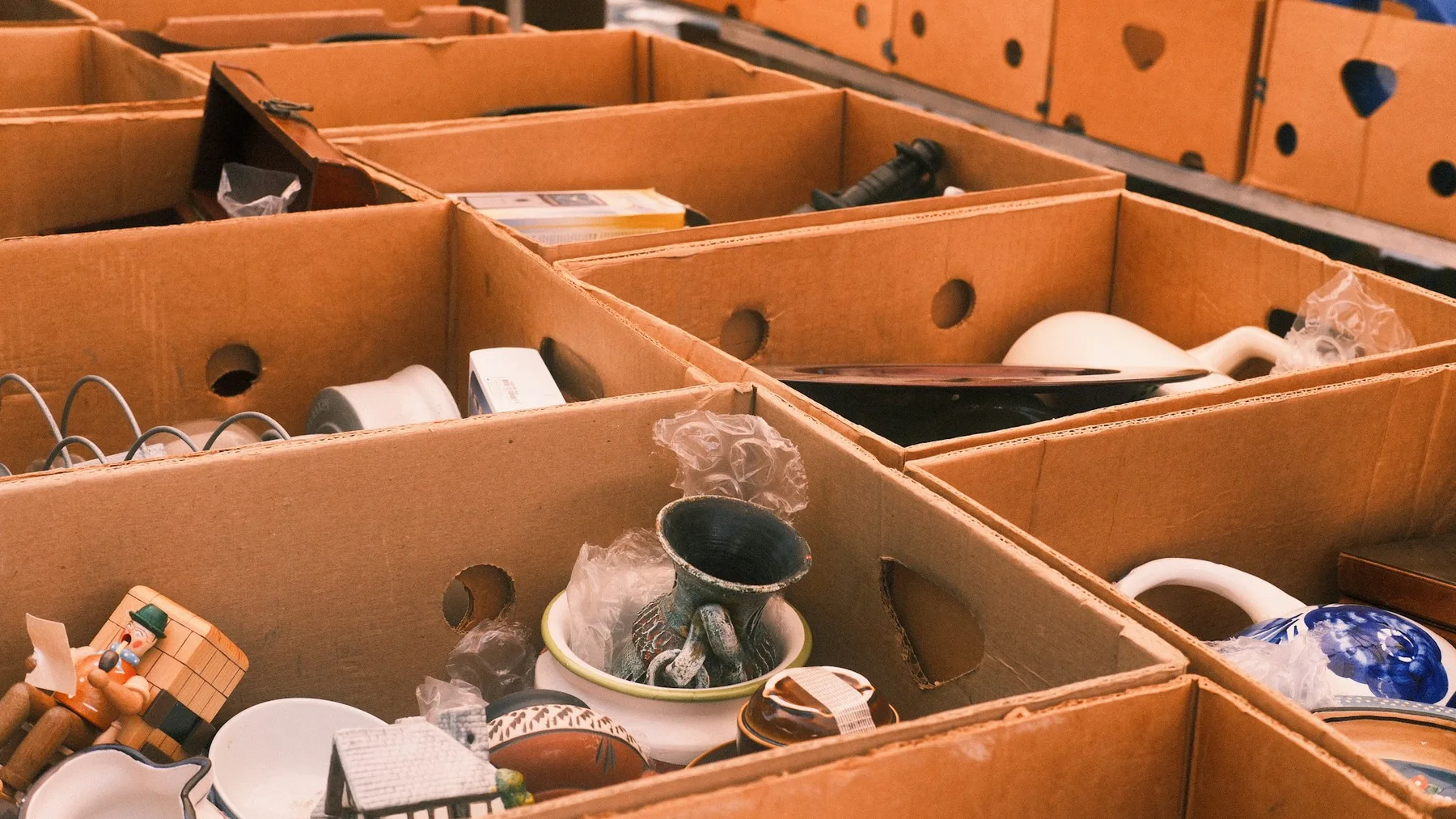
What to Keep, Donate or Junk When Moving in Dubai
Every item in a Dubai move passes three tests: fit in the new home, donatable condition, and time left to donate it. Fail one and it's junk, however good it looks.
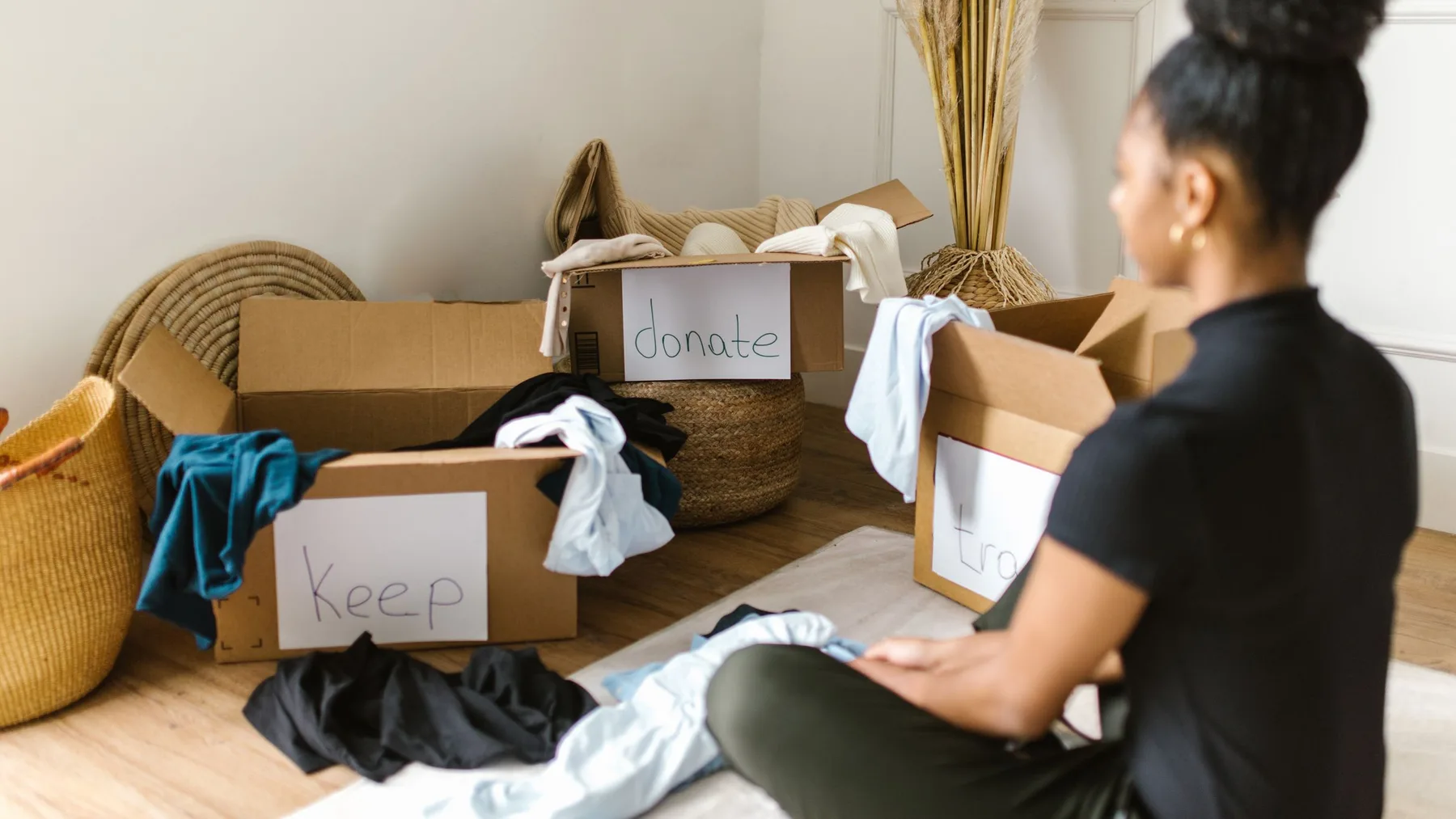
Spring Cleaning Junk Removal Guide for Dubai Homes
Spring cleaning in Dubai runs on a heat calendar, not a seasonal one. The spaces holding the most junk are the ones that stop being workable in summer.
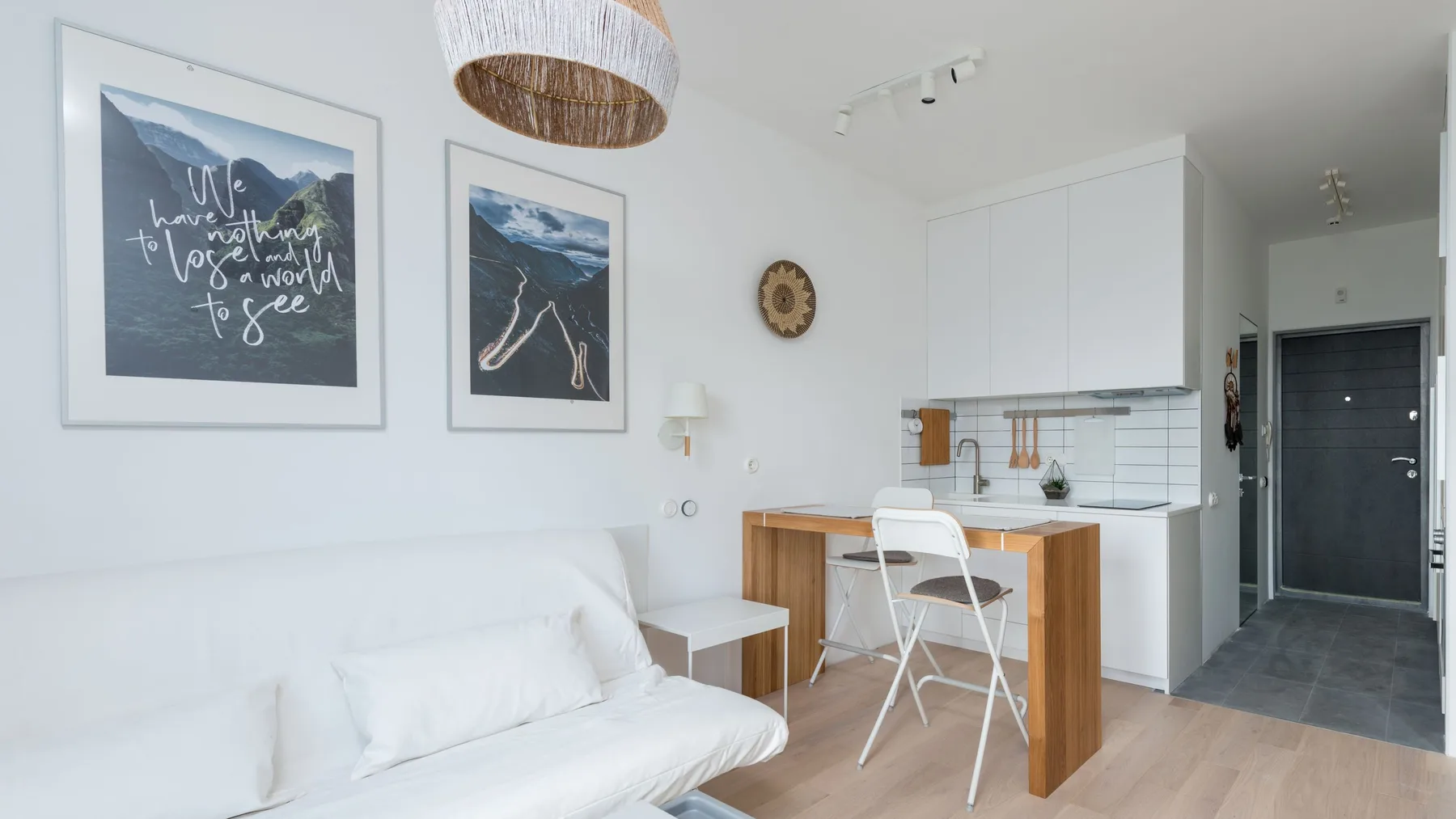
Decluttering a Small Apartment in Dubai
In a small Dubai apartment the limit is storage, not willpower. The question that decides every item is not whether you want it, but where it is going to live.