Junk Removal for Elderly & Assisted Clearances in Dubai
Plan an assisted clearance in Dubai around the resident's decisions, a steady pace and safe walkways, with clear roles for family and limits on what leaves.

What is an assisted clearance in Dubai?
An assisted clearance is a home clearance arranged for an older resident, or someone with limited mobility, who still lives in the property and takes part in the decisions. Junk Removals Dubai treats it as a house and villa clearance run at the resident's pace: every item is confirmed before it moves, walkways stay open, and nothing leaves on a guess.
Most of the physical work is ordinary furniture removal in Dubai: beds, wardrobes, armchairs, cabinets and boxed household items. What changes is the order of work, who confirms each piece and how the home is left for the person who will keep living in it.
How is this different from an estate or hoarding clearance?
The resident is present, and the home stays in use after the crew leaves. That single fact shapes the job.
- An estate cleanout is usually arranged by someone acting for a person who has died or moved away, so authority rests with the family or executor.
- A hoarding cleanup is paced by agreement on volume and attachment, often across several visits.
- Downsizing is driven by the measurements of a smaller home.
- An assisted clearance is about making the current home, or the move out of it, easier for someone who cannot lift, sort or carry alone.
In practice these overlap. A parent moving into a family member's villa may need downsizing decisions and an assisted pace on the same day.
The resident decides; the family organises
Most assisted clearances in Dubai are booked by an adult son, daughter or carer, sometimes from another country. The person booking manages photos, dates and access. The resident still decides what leaves their own home.
| Situation | What to arrange before the crew arrives |
|---|---|
| Resident staying, making room for a walker or wheelchair | Agree which pieces leave and which stay; mark kept furniture clearly |
| Resident moving to a relative's home or a smaller flat | Pack or set aside everything that is moving, in a separate room |
| Family overseas | Name one on-site adult who can confirm items and approve changes |
| Rented medical equipment in the home | Arrange return with the supplier; it does not belong in the load |
| Papers, cash or jewellery possibly hidden in furniture | Empty drawers, pockets, handbags and book boxes with the resident |
A short video call during the item walk can help when the person who booked is abroad. The resident or on-site contact points at each piece, the crew confirms it, and anything uncertain stays.
Pace, rest and a quiet carry route
Older residents often find a clearance tiring or emotional, even when they asked for it. A steady pace prevents rushed decisions that are later regretted.
The crew starts with the room that matters least to the resident, such as a store room or spare bedroom, so early decisions are easy ones. The resident has a seat away from the carry path, with the route between rooms and the front door kept clear. Heavy pieces move only when nobody is standing in a doorway or corridor.
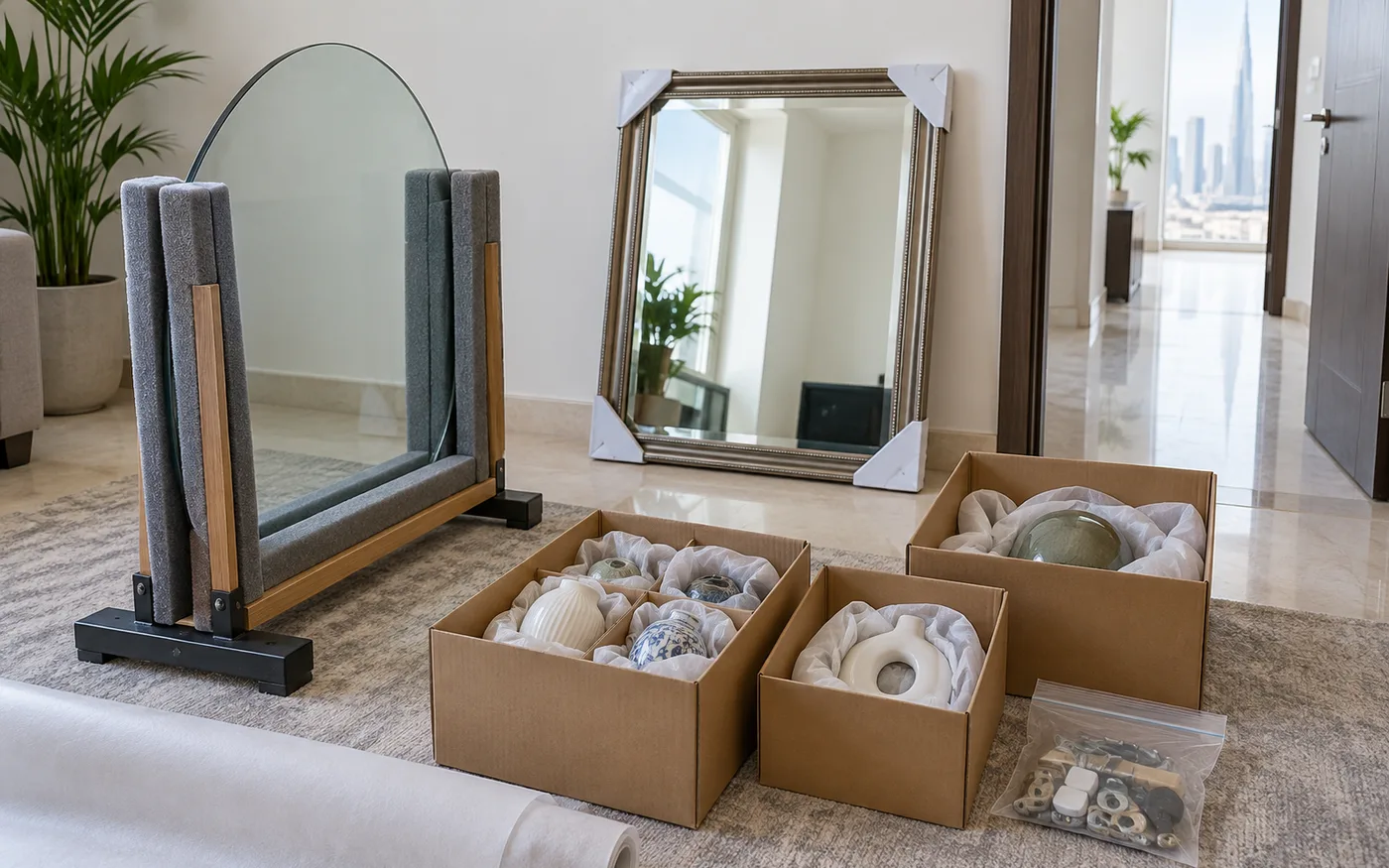
Keep items deserve the same care as anything leaving. Ornaments, photo frames, mirrors and glass that the resident wants to keep should be placed in one protected room before work begins. Our guide to handling fragile and valuable items during a clearance covers wrapping and separation in more detail.
Leave the home safer than you found it
An assisted clearance often has a safety purpose. Removing a low coffee table, a loose rug or a cluttered hallway cabinet can open a clearer path for a walking frame. Before the crew leaves, walk the main routes with the resident: bedroom to bathroom, living room to kitchen, front door to lift.
Check for trailing cables left exposed after furniture moves, rug grippers or carpet edges lifted during the carry, and kept items that ended up stacked in a walkway. The crew sweeps the pickup area as standard, but only the resident knows which route they use at night.
What an assisted clearance does not include
The crew removes items that are leaving. It does not provide personal care, install grab rails or bathroom adaptations, assemble new mobility furniture or transport kept belongings to another home. If a new bed or chair is being delivered, schedule it after the clearance so the old piece is gone and the route is clear.
Medical items need their own route
Medicines, sharps and oxygen cylinders are not collected with household junk. Ask the pharmacy, clinic or equipment supplier how they accept returns. Powered beds and mobility scooters should be mentioned at booking because of their motors and batteries.
After the decisions, the sorting
Once items are confirmed for removal, they follow the same sorting as any other load. Complete, clean furniture may be suitable for donation; recyclable material goes to authorised processing; the remainder goes to licensed disposal. The guide on how we sort reusable, recyclable and landfill items explains those decisions, and what happens after we haul your junk away follows the load from the door onward.
To plan an assisted clearance, send room-by-room photos, the building or community name, lift access and the name of the on-site contact on WhatsApp, or call +971 50 759 9311. Mention if the resident would prefer shorter visits; it is easier to plan that from the start than to stop halfway through a long day.
Frequently asked questions
An assisted clearance is a home clearance where an older resident, or someone with limited mobility, still lives in the property and takes part in the decisions. The crew works around that person: confirming each item, keeping walkways open and pausing when the resident needs time.
Not always, but their decisions should be settled first. If the resident prefers to stay elsewhere on the day, agree the remove list with them beforehand and name one on-site adult who can confirm items with the crew and approve any change.
Yes. They can send photos and access details on WhatsApp and approve the quote, provided a trusted person is at the property on the day. That person needs to know the agreed list and have the authority to stop anything leaving that is in doubt.
Owned, non-powered items can usually be collected like furniture. Rented equipment belongs to the supplier and should be returned to them. Powered beds and mobility scooters contain motors or batteries, so mention them at booking. Oxygen cylinders and medicines are not part of a junk collection.
Empty every drawer, wardrobe shelf, handbag, coat pocket and book box before collection day, ideally with the resident. Older households often keep papers, cash or jewellery in unexpected places, and once a piece is loaded it should be treated as empty.
Usually not. Shorter visits that clear one or two rooms at a time are easier for a resident who tires quickly or finds the process upsetting. Each visit can be quoted from photos of the items it will remove.
Related articles

How We Handle Large Multi-Room Villa Clearances
Inside a multi-room villa clearance in Dubai: crew allocation, truck logistics, floor protection, room sequencing, and gated community management.
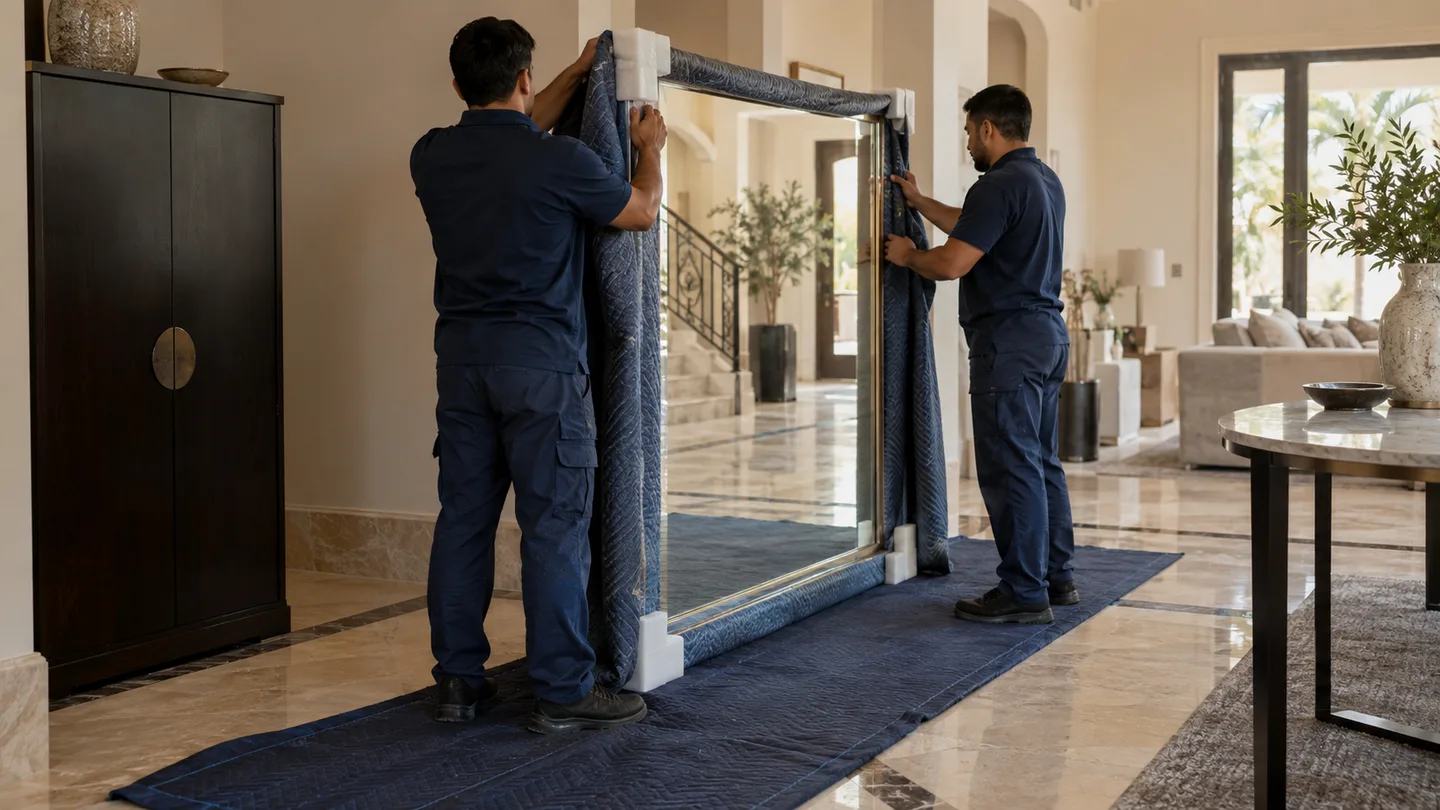
How We Handle Fragile & Valuable Items During Clearance
How Dubai clearances separate valuables from removal items, then protect mirrors, glass, ceramics and delicate furniture through wrapping and controlled carrying.
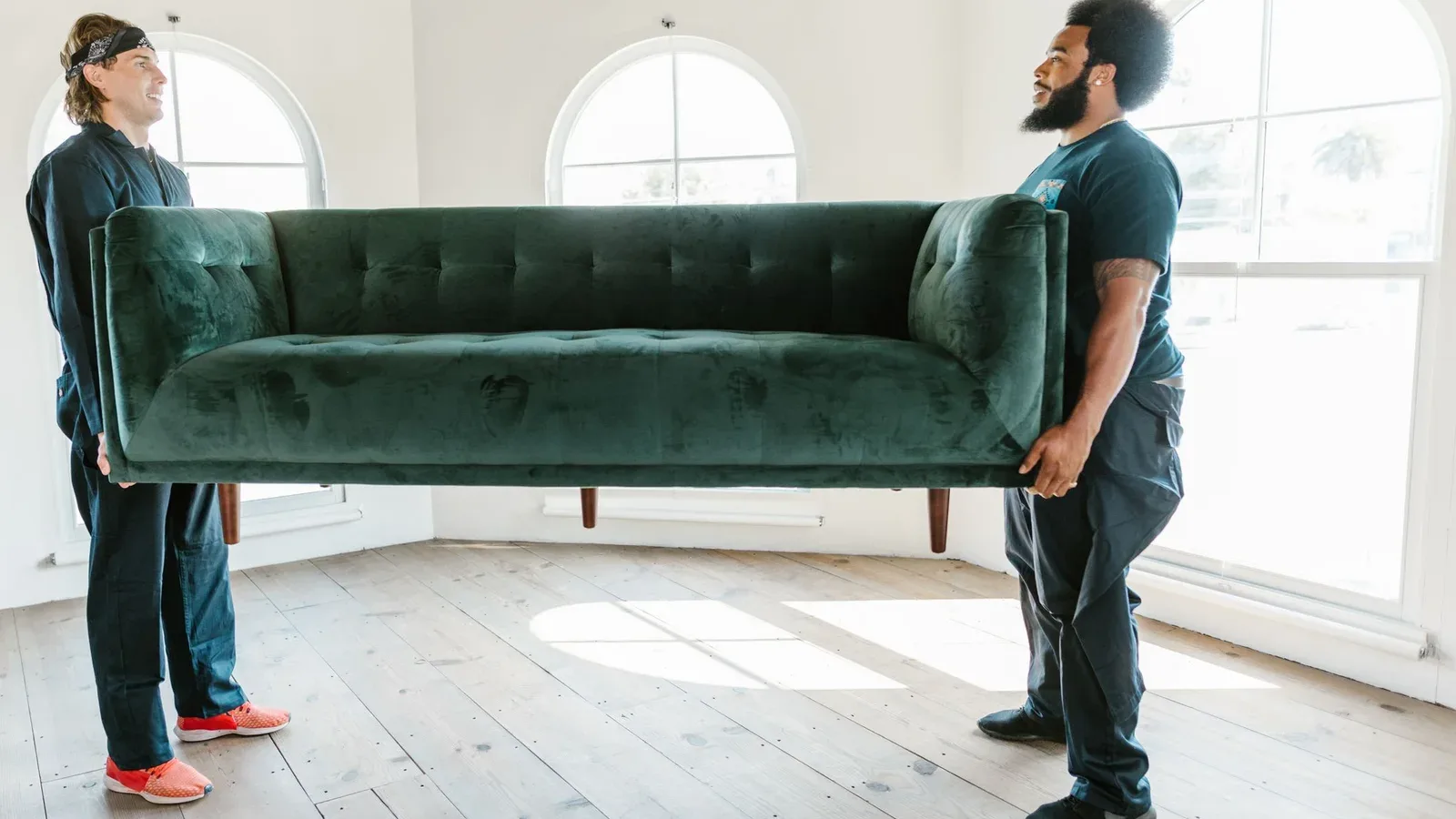
What Our Customers Say About Junk Removal in Dubai
Verbatim Google reviews of Junk Removals Dubai grouped by theme: speed, punctuality, clear pricing and tidy work, plus how to read any removal company's reviews.