Battery & Electronics Disposal Rules in Dubai
Whether a battery leaves with a device or needs its own route is decided by how it is attached, not by what it powers. Here is how to sort them before a clearance.
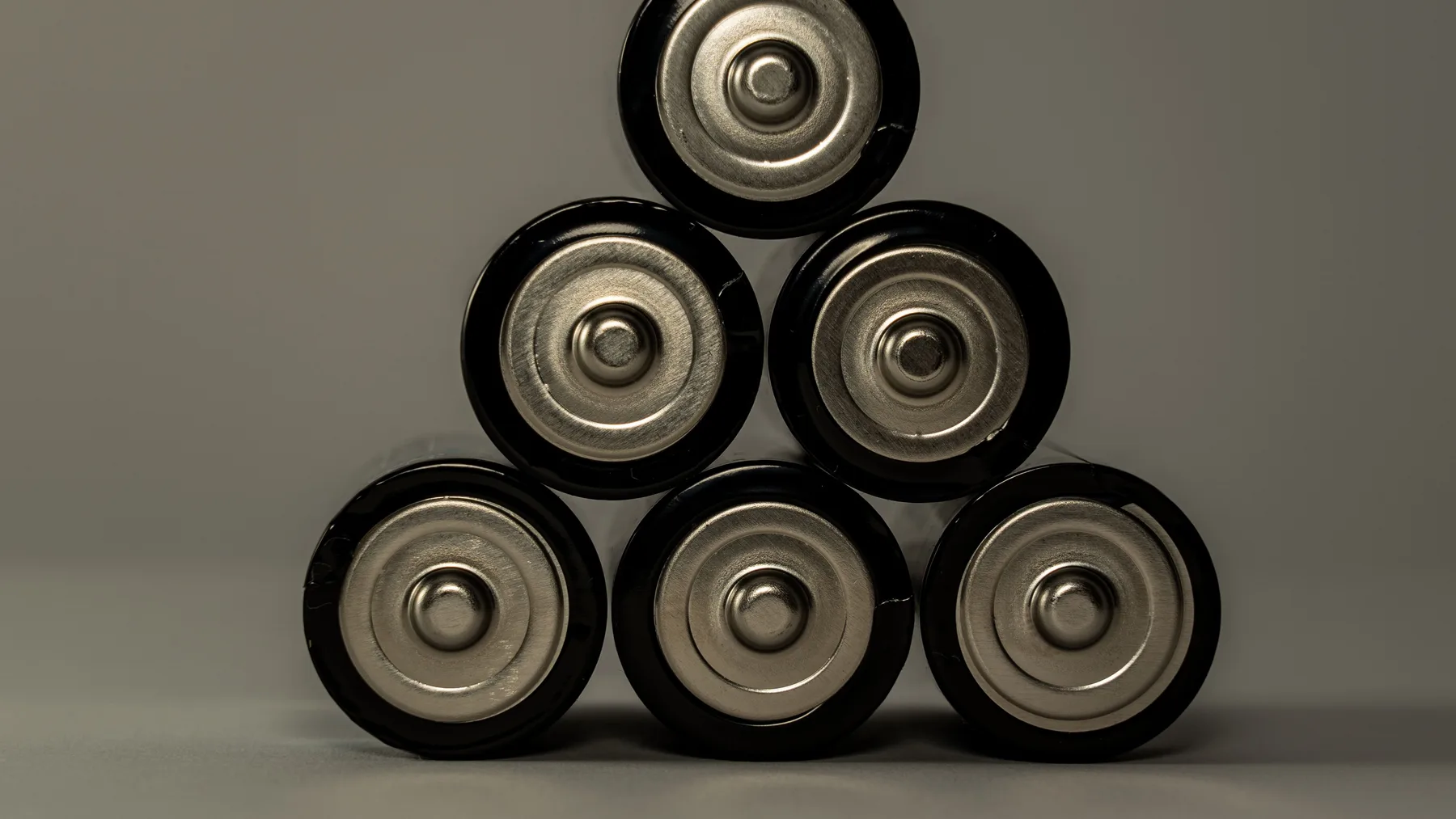
A battery's route out of a Dubai home is decided by how it is attached, not by what it powers. A cell sealed inside a laptop, a remote control or a cordless toothbrush travels with that device and leaves through electronics disposal as part of it. A battery that comes out, or that was never inside anything, is a loose battery, and loose batteries are their own group that sits outside a standard junk removal load. That single distinction resolves most of the sorting questions a household clearance raises.
Quick answer
Batteries sealed inside a device leave with the device through electronics disposal. Loose batteries, removable tool packs, power banks and car batteries are a separate group that needs a route set up for batteries rather than a general waste collection. Keep the loose group in a rigid container, tape the terminals, keep it out of a hot garage, and flag anything swollen or leaking. Junk Removals Dubai collects electronics with their internal batteries in place and does not carry loose batteries as part of a standard load.
The Rule That Decides Every Battery
Two questions settle it, in this order. Does the battery come out without tools? If it does not, it stays where it is and the whole device is handled as one item. If it does, it comes out and joins the battery group.
The reason the rule is written around attachment rather than around battery type is practical. A crew sorting a household load can see whether something is a device or a cell. Nobody can see the chemistry inside a sealed unit, and prising a battery out of a laptop to check is the one action that turns a routine item into a dangerous one.
This is also why devices should be handed over whole. Our guide to e-waste recycling in Dubai covers what is recovered from a device once it has been collected, and the battery is the component that has to be identified and separated first, under conditions a household kitchen does not provide.
Which Battery Is Which, and How It Leaves
| Battery type | Where it turns up in a Dubai home | How it leaves |
|---|---|---|
| Alkaline cells (AA, AAA, C, D, 9V) | Remotes, clocks, toys, smoke alarms, torches | Loose battery group, kept dry and with terminals taped |
| Button and coin cells | Watches, bathroom scales, car key fobs, hearing aids, small remotes | Loose battery group, in a rigid container so they cannot touch |
| Sealed lithium cells inside devices | Phones, laptops, tablets, earbuds, smartwatches, cordless toothbrushes | Stays in the device, which goes out through electronics disposal |
| Removable tool and appliance packs | Cordless vacuums, drills, garden trimmers, some robot cleaners | Loose once detached, so the pack and the tool separate |
| Power banks | Bedside drawers, desk drawers, travel bags | Handled as a battery rather than as a device |
| Lead-acid batteries | Cars, motorcycles, generators, some alarm and UPS units | Outside a standard household load, and needs a handler equipped for it |
The two rows people get wrong are the removable pack and the power bank. A cordless vacuum reads as an appliance right up to the moment the pack clips off, and a power bank reads as an accessory because it lives in a drawer with the cables. Both are batteries the moment they are separate from anything else.
What Goes Wrong Is Almost Always Storage
Batteries rarely cause a problem during a collection. They cause it during the wait, in the months between somebody deciding a device is finished and somebody booking the clearance.
Three things happen in that period. Alkaline cells left in an unused device corrode and leak, and the residue destroys the contacts of whatever they were left in. Lithium cells lose capacity and, in some cases, swell until a case bulges or a lid no longer closes. And loose cells accumulate in a single drawer or bag where terminals touch each other and touch loose metal.
Dubai accelerates the first two. A drawer in a villa garage, an outdoor store or an unconditioned spare room runs through summer at temperatures well above the air-conditioned room the device was used in. Heat is the input for both the corrosion and the internal degradation, which is why the drawer of retired batteries put aside for later is so often in worse condition than the batteries still in service.
Terminals touching is the risk, not the batteries themselves
A bag or drawer holding loose batteries alongside keys, coins, screws or other batteries lets terminals bridge against metal and complete a circuit the cell was never meant to complete. A nine-volt battery is the clearest example, because both of its terminals sit side by side on the same face and a single flat piece of metal across the top is enough. Put a strip of tape over the terminals of anything larger than a small single-use cell, keep the group in a rigid container rather than a plastic bag, and keep loose metal out of that container.
Sorting the Batteries Out of a Clearance
How to
Separating batteries before a Dubai household clearance
- 1
Walk the property for devices, not for batteries
Batteries are found by finding the things that hold them. Check remotes, wall clocks, smoke alarms, torches, kids' toys, key fobs, bathroom scales and anything cordless, since these are where cells sit forgotten rather than in an obvious battery drawer.
- 2
Take removable batteries out of anything being thrown away
If a device is leaving and its battery comes out without tools, take it out. A cell left in a discarded remote or toy is the one most likely to leak later, and removing it takes seconds while the item is still in your hand.
- 3
Leave sealed batteries where they are
Anything requiring tools to open stays intact. Phones, laptops, tablets, earbuds and cordless toothbrushes travel whole through electronics disposal, and opening them to extract a cell is both harder and more dangerous than it looks.
- 4
Tape the terminals and use a rigid container
Cover the terminals of nine-volt batteries, button cells and any rechargeable pack with a strip of ordinary tape, then put the whole group into a rigid box rather than a bag. Keep keys, coins and screws out of that box.
- 5
Set aside anything swollen, leaking or corroded
Keep a bulging pack, a weeping alkaline cell or a battery with white crust on the contacts separate from the rest of the group, somewhere cool and out of direct sun, and do not press on or puncture anything that has swollen.
- 6
Arrange the two routes separately
Book the devices as electronics disposal, and arrange the loose battery group with a collection point set up for batteries. Ask the retailer you buy replacements from or your building management which point they direct residents to, since that varies between communities in Dubai.
Where This Business Stops
Junk Removals Dubai collects electronics across the city, and devices are taken with their internal batteries in place, which is how they should arrive. That is a normal electronics disposal job and it covers screens, computers, small devices, cables and everything sealed inside them.
Loose batteries are a different matter and a deliberate boundary rather than an oversight. Loose cells, detached tool packs, power banks and car batteries need a handler and a container equipped for that material, which a general clearance crew is not. Our guide to hazardous household waste disposal in Dubai covers the wider group that batteries belong to, including paint, solvents, fuels and gas cylinders, and how to identify all of it before a clearance is booked. This article covers batteries specifically, since they are the item in that group people are least likely to recognise as belonging to it.
Telling us at booking that a battery group is staying behind is what keeps a clearance to one visit. A load quoted knowing that a box of cells and a car battery are not travelling is a load that gets cleared normally.
The Devices Nobody Counts as Devices
The batteries missed in a Dubai clearance are rarely the obvious ones. Nobody forgets the laptop. What gets left behind is the cell in a wall clock that was hanging above a doorway, the fob for a car that was sold two tenancies ago, the smoke alarm battery in a ceiling unit, and the four AAs inside a child's toy already packed into a donation box. Walking the property for the objects rather than for the batteries is what finds them, and doing it before a collection is booked means the loose group and the device group get their two routes arranged at the same time.
For preparing the devices themselves, including the full data-wiping sequence before anything leaves the property, see our guide to disposing of electronics and e-waste in Dubai. To arrange the electronics side, send a photo of what is going to our team on WhatsApp or through the contact page, and mention anything else leaving in the same visit so the general waste removal part of the load is quoted alongside it.
Frequently asked questions
Because a battery in a bin is a sealed container of reactive chemistry travelling in a compactor, and compaction is the condition it is least able to survive. A crushed or punctured cell can short internally, heat rapidly and ignite the material packed around it, which in a household bin is paper, plastic and fabric. Corroded cells also leak, and the residue damages whatever it soaks into and reaches whoever handles that bag next. Keep loose batteries together as their own group and arrange a route set up for them.
They need the same care in storage and they have different failure behaviour, so it is worth knowing which you are holding. Single-use alkaline cells such as AA, AAA and 9V mostly fail by leaking a corrosive residue that damages the device they were left in. Rechargeable lithium cells fail by swelling and, when damaged, by heating. Both belong in the same set-aside group rather than in a general bin, and a swollen or leaking cell of either type is the one to flag rather than pack in with the rest.
Treat them as batteries rather than as small hardware, and keep them where a child or a pet cannot reach them while they wait. A button cell is easy to lose track of because of its size, and it is the battery most often found loose in a drawer during a Dubai clearance. Collect them into a small rigid container rather than an envelope or a bag, since a rigid container stops them making contact with each other and stops them being crushed by whatever is stacked on top.
This is the most common battery mistake in a Dubai household, and the reason is temperature. A drawer in an unconditioned store room or a villa garage runs far hotter through summer than the room a device was used in, and heat accelerates both the corrosion that makes alkaline cells leak and the internal degradation that makes lithium cells swell. Batteries set aside in good condition are frequently found months later in poor condition. Deal with the group on its own timetable rather than holding it until the rest of a clearance is ready.
Yes for anything above a small single-use cell, and it takes a strip of ordinary tape per battery. Terminals touching each other, or touching loose metal such as keys, coins or screws in the same container, completes a circuit the battery was not meant to complete. Nine-volt batteries are the clearest case because both terminals sit side by side on the same face, so a single piece of metal laid across the top is enough. Tape the terminals, keep the group in a rigid container, and keep metal objects out of it.
The tool and the pack usually separate, and that is what decides their routes. A removable pack that clips off the body is a loose battery once it is off, and it belongs with the battery group rather than in the box of electronics. The tool itself is then an ordinary small device and goes out through electronics disposal in Dubai like any other. Where a pack is sealed inside the body and cannot be released without tools, leave it in place and let the whole unit travel as one item.
A power bank is a lithium cell in a case rather than a device with a battery in it, so it is handled as a battery. Its capacity fading is normal ageing, and a case that has begun to bulge, creak or refuse to sit flat has failed internally and should be kept apart from everything else and flagged. Power banks are among the items most often left behind in Dubai apartments at the end of a tenancy, usually in a bedside drawer alongside cables that no longer match anything.
Related articles
E-Waste Recycling in Dubai: Complete Guide
Old electronics are recycled as materials, not repaired for parts. What comes back from a device in Dubai depends on how it left the house, not on how old it is.

Sustainable Decluttering: Reduce Junk Before It Piles Up
Most of what a Dubai household eventually clears was settled long before the clearance. Reducing that volume is a timing decision, not a sorting one.

Landfill vs Recycling: Where Dubai's Junk Ends Up
Recycling delays landfill for most household materials rather than replacing it. What decides the gap is how many useful cycles a material has left in it.