E-Waste Recycling in Dubai: Complete Guide
Old electronics are recycled as materials, not repaired for parts. What comes back from a device in Dubai depends on how it left the house, not on how old it is.
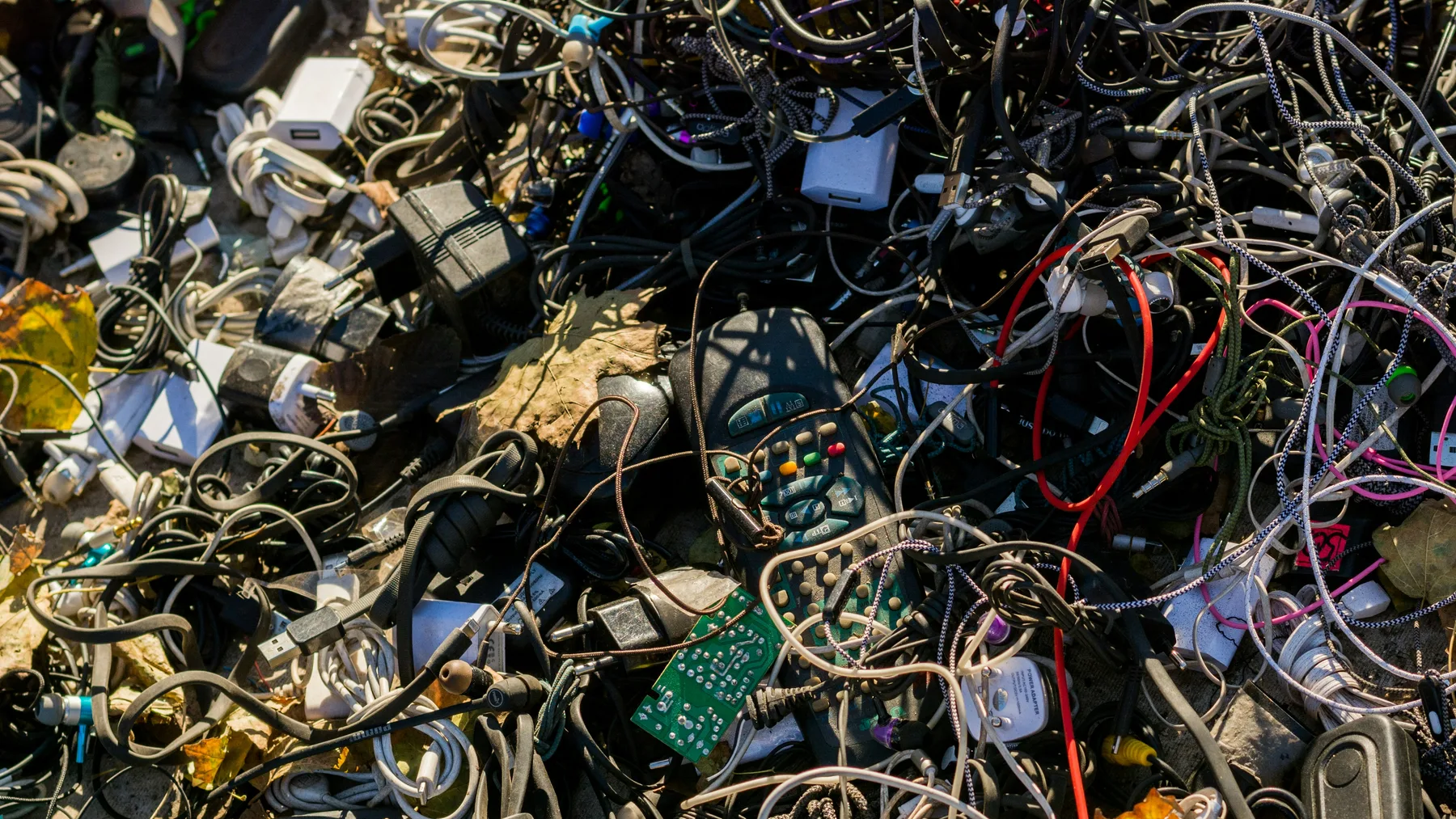
Electronics collected in Dubai are recycled as materials rather than repaired for parts, and the recovery happens only after the device has been separated from the rest of a household load. An old laptop holds metal, circuit board, plastic, glass and a battery fixed together in one object the size of a magazine, and each of those takes a different route once the unit is broken down under controlled conditions. Two things decide how much of a device comes back: keeping it whole, and keeping it out of the general junk.
Quick answer
E-waste recycling in Dubai recovers materials from a device, it does not repair or resell it. Metals, circuit board, plastic and glass are separated after collection, which is why an old television that no longer works and an identical one that does are worth exactly the same as material. Keep devices whole, keep them apart from furniture and general junk, and book them as electronics disposal rather than adding them to a mixed pickup.
Why Electronics Are Kept Apart From a General Junk Load
Two reasons push in the same direction. The first is recovery: the materials inside a device are dense, mixed and easy to lose the moment they are compacted with everything else. The second is handling: a lithium battery inside a tablet behaves nothing like a wooden chair, and it has to be identified before a load is processed rather than discovered afterwards.
Recovery and handling both fail at the same moment. Once a television is lying under a wardrobe on a truck, the panel has cracked, the board has flexed and what was a separable device has become mixed material. Nothing downstream recovers that. The separation has to happen while the items are still standing in the room.
Separating electronics at that point is also what makes e-waste a different subject from general household recycling. Our guide to where your junk goes after collection in Dubai covers how a mixed household load splits between reuse, recycling and licensed disposal. Electronics are the one category deliberately taken out of that split and handled on their own.
What Is Inside a Household Device
| Material group | Where it sits in a typical device | Why it matters for recovery |
|---|---|---|
| Metals | Chassis, brackets, heat sinks, screws, connector shells, the copper in every cable | The most reliably recovered material in any device, and the reason cabling is worth keeping |
| Circuit board | Motherboard, power board, driver board behind a screen | A single bonded assembly, separated under controlled conditions rather than by hand |
| Plastic casing | Outer shell, keyboard surround, remote controls, cable sheathing | Recoverable when it is one polymer, far less so when it is painted, glued or fibre-filled |
| Glass and panel | Television and monitor screens, tablet and phone fronts | Handled as its own stream, and destroyed by any impact the device takes in transit |
| Battery | Sealed inside laptops, tablets, phones, cordless devices | Identified and separated before anything else happens, which is why it must not be prised out at home |
Reading down that table, one pattern explains most of what follows. Every row is a different material, and they arrive bonded into a single object. Recovery is the work of separating them, so anything that mixes them further, whether that is compaction on a truck or a hammer in a garage, reduces what comes back.
Reuse Comes First, and It Expires Faster for Electronics
A device that still works is worth more as a device than as material, and that is true even when the recycling route is a good one. Recovery returns a fraction of what went into building a laptop. Somebody continuing to use that laptop returns all of it.
What makes electronics different from furniture is the clock. A dining table that nobody wants this year is the same dining table in three years. A phone that nobody wants this year has aged in three ways by then: the battery has lost capacity, software support has ended, and the accessories that came with it have been separated from it. The reuse window closes on its own, without the device being damaged at all.
Dubai adds a second clock. Anything stored in an unconditioned space, which in most villas means the garage or an outdoor store, sits through summer after summer at temperatures indoor electronics were never built for. Batteries degrade faster in that heat, cabling goes brittle, and stored devices frequently will not power on when they are finally tested. A device you already know is going has its best outcome available now and a worse one every year it waits.
What Stops a Device From Being Recycled
Three things account for nearly every device that arrives beyond recovery.
It was mixed into a general load. A device buried under furniture arrives damaged and unsorted. This is the most common cause and the easiest one to avoid, because it costs nothing to set electronics aside as their own group before the crew arrives.
It was broken up before collection. Devices taken apart at home arrive as fragments with cracked boards, exposed batteries and shattered panels. The intention is usually to make them easier to carry, and the result is a lower recovery than the intact device would have had.
It was contaminated. Water is the one that surprises people. A device that has sat in a damp store or been rained on through an open window is not the same recovery job as a dry one, and corrosion inside a board is permanent.
Do not hand devices to an unverified collector
Old electronics attract informal collectors, and a device handed over at the kerb in Dubai goes to an unknown destination with whatever data is still on it. Two things are lost at once: any assurance that the materials reach authorised processing, and control of the accounts, photos and documents still sitting on the drive. Route electronics through a booked collection instead, and run the device's own factory reset first. Junk Removals Dubai collects and routes electronics for disposal and does not perform data wiping or drive destruction, so the reset has to happen at your end.
Where the Line Sits Against White Goods
A fridge and a television both plug into the same wall and go two different ways. Screens, computers and small devices are electronics disposal. Fridges, washing machines, ovens and air conditioners are white goods and go through appliance disposal, because the materials, the weight and the handling are all different.
The practical consequence is only that you name both when you book, so the two streams are kept apart on the same visit rather than sorted out later. What is recovered from the white goods half, and why a sealed cooling circuit has to reach a handler intact, is covered in our guide to appliance recycling in Dubai. This article covers the device side of the same split.
What a Household Controls
- Set electronics aside as their own group before anything is loaded, rather than pointing them out once the truck is half full.
- Keep every device whole. No dismantling, no removing batteries, no separating the screen from the base.
- Put cables, chargers, adaptors and remotes in one box. They are copper and plastic, they are worth recovering, and loose ones get left behind.
- Keep screens upright and separated rather than stacked or leant against a wall where they can slide.
- Wipe anything that held your data before collection day, using the device's own factory reset.
- Flag a battery that has visibly swollen at booking so it is handled deliberately.
This guide covers what happens to a device after it is collected and what governs how much of it is recovered. For the preparation side, including the full data-wiping sequence, which items count as e-waste and how to get a wall-mounted screen down safely, see our guide to disposing of electronics and e-waste in Dubai.
One last point worth planning around: the accessories decide the timing. A device is easy to find and easy to book, and the chargers, cables and remotes that belong with it are spread across four rooms. Gather those first, then send a photo of the pile to our team on WhatsApp or through the contact page, and the collection gets booked against everything that is going rather than against the television alone.
Frequently asked questions
Metals, circuit board, plastic casing and glass are the four groups that come out of a typical household device, and metal is the one recovered most reliably. A laptop, a television and a router are each a small bundle of those four materials fixed together with screws, clips and adhesive. Recovery works by separating them under controlled conditions rather than by repairing the device, which is why a broken unit and a working one that nobody wants contain exactly the same recoverable material.
Yes, because whether a device powers on has no bearing on what it is made of. A dead television holds the same metals, board and plastic as an identical working one, and both follow the electronics route out of a Dubai property. The only thing failing to power on changes is the reuse question, since a device that will not start cannot be passed on to somebody else. Book it as electronics disposal rather than leaving it in a cupboard, where the battery inside will keep degrading.
No. Breaking a device open at home lowers what is recovered from it rather than helping. Separating materials properly needs the whole unit intact, and a device that arrives in pieces has usually had its board cracked, its panel broken and its battery exposed in the process. There is also a safety reason: the battery inside a laptop, tablet or cordless device is the one component that is genuinely dangerous to prise out with hand tools. Hand the device over whole.
No, they follow two different routes and are booked as two different jobs. Screens, computers, small devices and their cables go through electronics disposal, while fridges, washing machines, ovens and air conditioners are white goods and go through appliance disposal. The materials differ, the handling differs and the crew equipment differs. If both are leaving a Dubai property in the same visit, say so at booking and it is arranged as one collection with the two streams kept apart.
Yes, when the device genuinely still works, because keeping a machine in use is a better outcome than reducing it to material. The test is whether it powers on, holds a charge and has an undamaged screen. Recycling recovers a fraction of what went into making a device, so a working laptop given to somebody who will use it beats the best possible recycling result. Wipe your data first either way, since that step is identical for both routes.
They go with your electronics rather than into a general bin, because cabling is mostly copper and plastic and both are worth recovering. Loose cables are one of the most consistently recyclable things in a household e-waste pile, and also one of the most commonly binned. Gather them into a single box or bag before collection day. A drawer of tangled leads takes a crew longer to load than the television does, and loose cables left behind in furniture are the items most often missed.
Losing software support ends a device's useful life sooner than its hardware does, and this is the main reason electronics reach disposal in working order. A phone or tablet that no longer receives updates still switches on, still holds a charge and is still physically sound, so it fails no hardware test at all. Judge it on whether anyone will genuinely use it as it stands. If the answer is no, it is e-waste in working condition, and it recycles exactly the same as a broken one.
Related articles
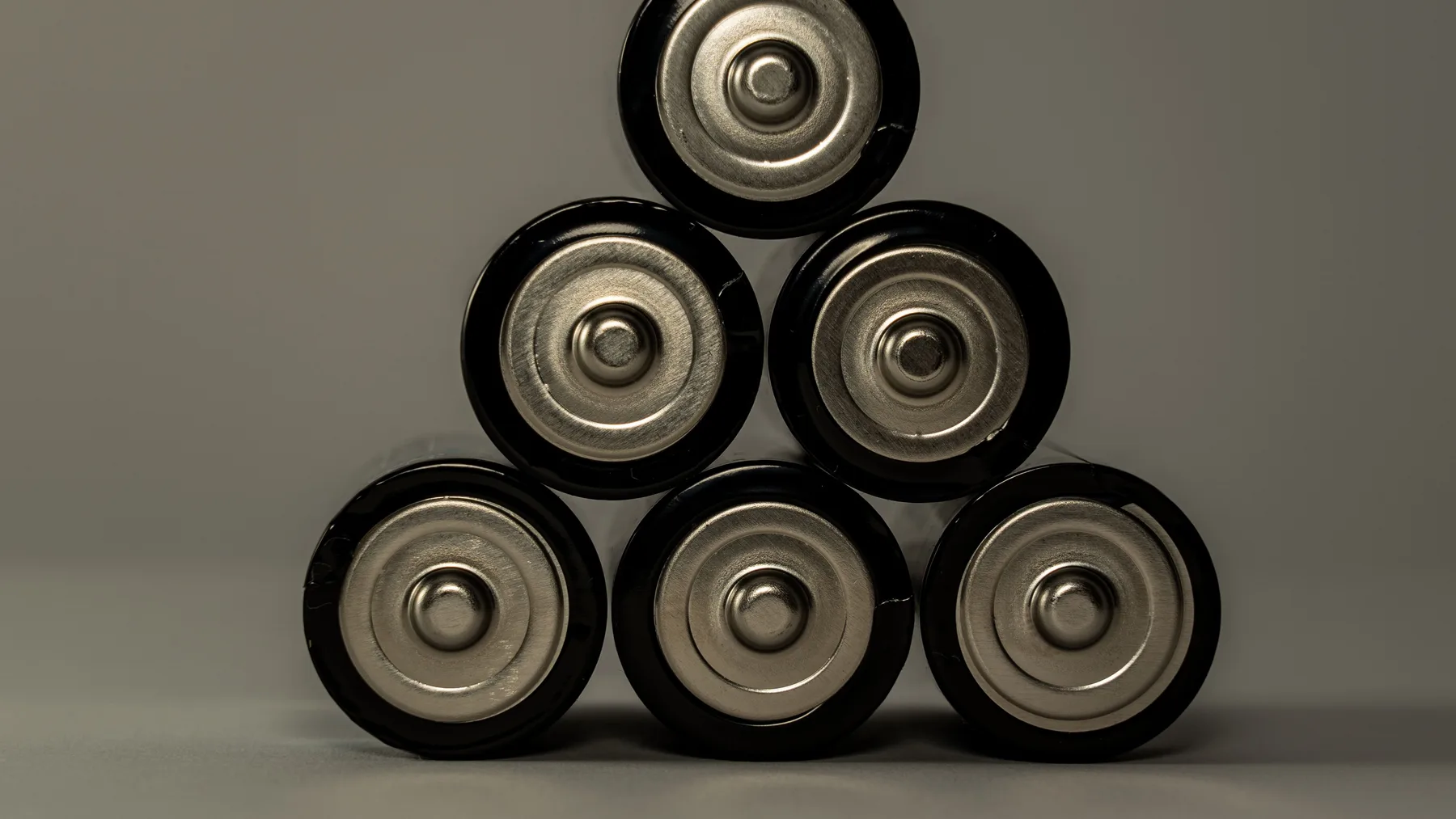
Battery & Electronics Disposal Rules in Dubai
Whether a battery leaves with a device or needs its own route is decided by how it is attached, not by what it powers. Here is how to sort them before a clearance.
Sustainable Decluttering: Reduce Junk Before It Piles Up
Most of what a Dubai household eventually clears was settled long before the clearance. Reducing that volume is a timing decision, not a sorting one.

Landfill vs Recycling: Where Dubai's Junk Ends Up
Recycling delays landfill for most household materials rather than replacing it. What decides the gap is how many useful cycles a material has left in it.