Storage Unit Overflow: When to Call Junk Removal
A Dubai storage unit has become overflow, not storage, when you're paying to store things you can no longer reach, remember, or would buy again. Here's how to tell.
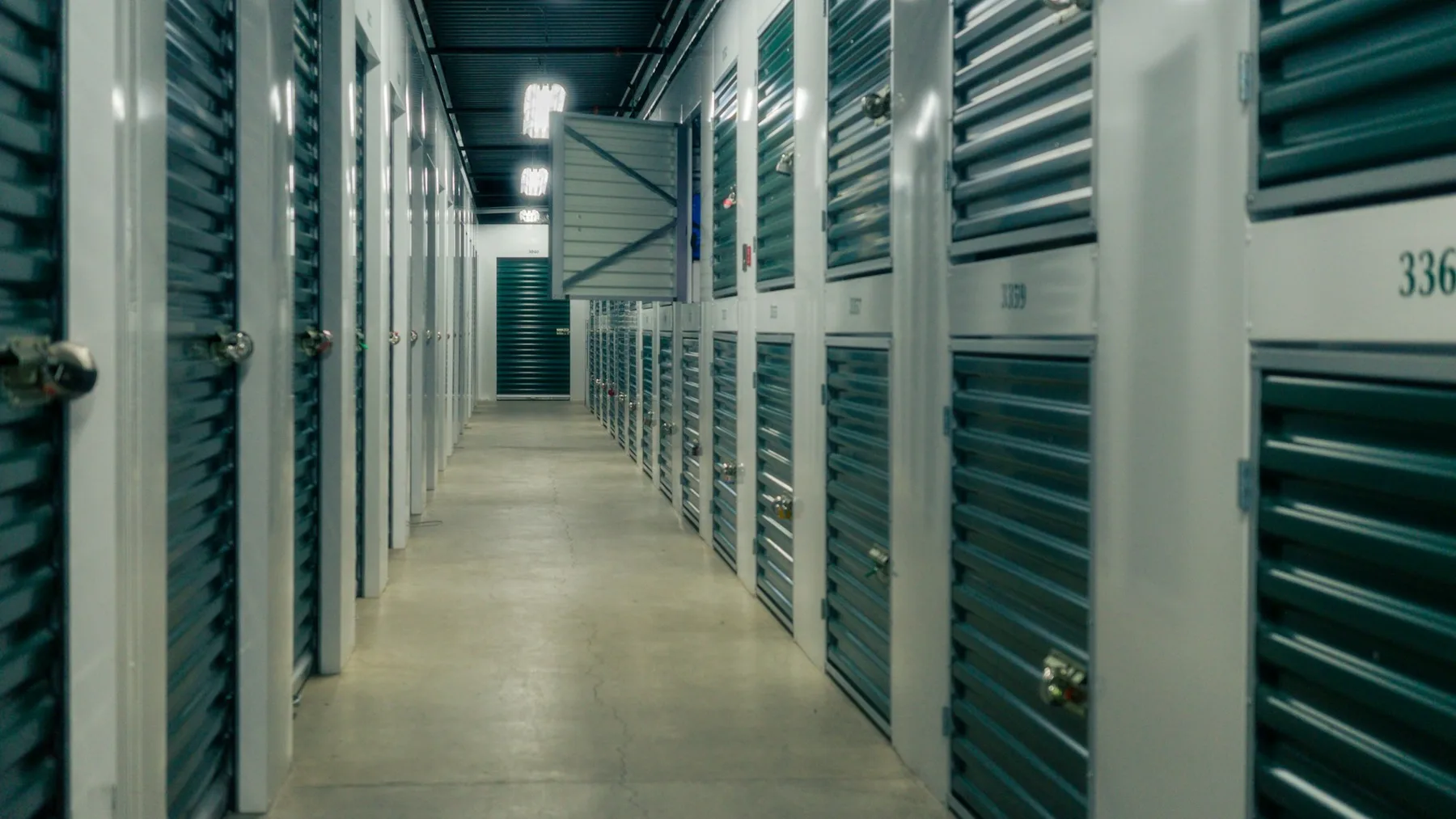
A storage unit stops being storage and becomes overflow the moment you can no longer say, without opening the door and digging, what's inside it. That's the test, and it has nothing to do with how long the rental has run or how full the unit looks from the doorway. A unit rented eight months ago and already unlistable is overflow. A unit rented four years ago that you could still walk someone through from memory is still storage.
Quick answer
A storage unit has become overflow, not storage, once you can't list its contents from memory, once renewal notices get paid without a visit, or once a year's rent costs more than the items inside are worth replacing. Sort it the same way you'd sort a home, since an overflow unit usually holds a genuine mix of keep, donate and junk rather than being uniformly one thing. Once the volume exceeds a car's worth or the contents haven't been checked in years, it's a job for a crew rather than a personal trip.
The Test That Matters
Full and forgotten are different problems, and only one of them means the unit needs clearing.
A storage unit can be genuinely full of things you use, rotate, and could describe accurately without opening the door: seasonal decorations that come out every year, travel gear between trips, furniture waiting for a specific room in a future home. That's storage doing its job, however tightly packed it is. Overflow is different in kind, not degree. It's a unit where new boxes get added to the front because there's no time to work out what's already at the back, where an inventory, if one ever existed, stopped matching reality years ago, and where a walk-through would turn up things you'd forgotten you owned.
The practical test is simple: try to list what's in the unit from memory. A short pause for a couple of specific items is normal. A blank, or a guess, means the unit crossed from storage into overflow some time ago and the rent has been paying for uncertainty rather than access.
Running the Numbers Honestly
The reason overflow units persist as long as they do is that the monthly cost feels small next to the effort of dealing with it, and that comparison is the wrong one.
The comparison that matters is a year of rent against what the contents are genuinely worth, not what they cost when they were new. A box of clothes that no longer fits, electronics two generations out of date, or furniture that was already a stopgap when it went into storage rarely justifies its share of a year's rent once that arithmetic is done honestly. Some of what's in an overflow unit will clear that bar easily. Most of it, in practice, won't.
| Question | If the answer is yes | If the answer is no |
|---|---|---|
| Would you buy this again at its current condition and value? | Likely worth keeping and retrieving | Candidate for donation or junk |
| Have you needed it in the last 12 months, even once? | Genuine active storage | A sign it's overflow, not storage |
| Does a year of rent for this unit cost more than the contents are worth? | Time to clear, keeping only what passed the first question | Storage may still be the cheaper option |
Running this table honestly, item by item or at least category by category, before a renewal date is what turns a vague sense that "we should really deal with that unit" into an actual decision with a number behind it.
Sorting an Overflow Unit the Same Way as a Home
An overflow unit accumulates the same way a garage or a store room does, and it deserves the same three-way sort rather than a blanket decision to keep everything or junk everything. Our guide to what to keep, donate or junk when moving in Dubai sets out the test in full: does it have a real place, is it in condition someone else would take, and is there time left to act on either answer. Applied inside a storage unit, that test usually turns up a genuine mix rather than confirming the assumption that it's all junk or all worth keeping.
The one thing storage overflow adds that a home sort doesn't is the deadline pressure of a renewal date arriving with the sort still undone. A unit cleared under that kind of last-minute pressure tends to skip the sorting step entirely and default everything to junk, which is where usable, donatable items end up discarded because nobody had the time to separate them on the day.
Self-Clearing vs. Calling a Crew
Not every overflow unit needs a professional clearance, and the line between the two is set by volume and by how much is known about the contents.
A unit that can be assessed standing in the doorway, holding a manageable amount that fits a personal car across one or two trips, is a reasonable DIY job. What tips a unit into needing a crew is either scale, stacked floor to ceiling with boxes that would need unstacking to see what's underneath, or uncertainty, a unit untouched long enough that nobody is confident what condition the contents are in or how heavy the real load turns out to be once it's opened. Pricing that job by real volume rather than by the unit's rented size is exactly what our storage unit cleanout cost guide covers, once the decision to clear has already been made.
Booking the Clearance
Photographs from the doorway, taken with the shutter open, are enough to size most overflow units for a first estimate. A unit being cleared in full, sorted or not, is booked as a storage cleanout, which accounts for the facility's own access hours and goods-lift rules alongside the volume itself. Where the unit is only partly being cleared, with some items staying for another rental period, a standard junk removal collection covers the portion coming out. Send photographs on WhatsApp or through the contact page and note which items, if any, are staying, so the crew loads accordingly.
The Renewal Date Is the Moment to Decide, Not to Postpone
The easiest point to let an overflow unit run another year is the exact moment a renewal notice arrives, because paying it takes thirty seconds and dealing with the unit takes a weekend.
That's precisely why the renewal date is worth treating as a forced decision point rather than a formality. Before paying it, run the honest comparison: a year of rent against what's in the unit, checked against whether it's still listable from memory. A unit that passes both tests has earned another year. One that doesn't is overflow that's about to cost a second year's rent to keep not looking at.
Frequently asked questions
The clearest sign is that you can no longer answer, without opening the door and digging, what's inside. Active storage is a defined set of items you can list from memory: seasonal decorations, travel gear, a specific piece of furniture between homes. Overflow is a unit that's grown past the point of being listable, where new items get pushed to the front and the back hasn't been seen in over a year. If a walk-through would produce surprises, it has crossed from storage into overflow.
Add up a year of rent and compare it honestly to what the contents would cost to replace, not to what they cost when new. Most overflow units are holding a mix of genuinely valuable items and things that were worth keeping only because storing them felt free at the time. Once a year's rent is put next to that second group's real value, the arithmetic usually favours clearing rather than renewing, and it's worth doing that sum before a renewal date arrives rather than after.
Renewal notices that get paid without a visit, a rental period that has quietly doubled or tripled past the original plan, and not being able to say what's in the unit without checking an old inventory, if one was ever made. A unit that's genuinely in use gets opened every few months for something specific. A forgotten one gets opened only when the facility calls about payment, which is usually the point at which the contents have stopped being worth what's being paid to keep them.
Sort it first wherever there's time to, since an overflow unit accumulates exactly the same way a home does and usually holds a genuine mix of keep, donate and junk items rather than being uniformly one or the other. The same three-way test covered in our guide to [what to keep, donate or junk when moving in Dubai](/blog/keep-donate-junk-moving-dubai) applies inside a storage unit as directly as it does inside a house. The difference is time pressure: a unit that's been overflowing for years often gets cleared on a deadline, which is when sorting gets skipped and everything defaults to junk by default rather than by decision.
Once the volume exceeds what fits in a personal car in one or two trips, or once the unit hasn't been opened long enough that nobody is certain what condition the contents are in. A unit that can be assessed from the doorway and cleared in an afternoon with a hatchback is a DIY job. A unit stacked floor to ceiling, or one where furniture is buried under boxes that would need unstacking to see what's there, is a job that needs a crew and a vehicle sized for the real volume, not the guessed one.
It can, depending on the facility and what's stored. Non-climate-controlled units are exposed to the same heat extremes as any unconditioned space in Dubai, which affects electronics, some furniture finishes and anything with an adhesive or a battery well before it affects boxed textiles or hard goods. A unit that hasn't been opened in years is also a unit where nobody has checked for that kind of slow damage, so items assumed to be fine on the way in are not guaranteed to still be fine on the way out.
Related articles

Estate & Property Cleanout Services in Dubai
An estate cleanout in Dubai is arranged by someone other than the person whose belongings they are. Authority and sorting decide it, not volume.

Hoarding Cleanup: Compassionate Clearance in Dubai
A hoarding cleanup in Dubai is paced by sorting rather than carrying. Nothing leaves without agreement, and the work usually runs across several visits.
Move-Out Junk Removal Checklist for Dubai Tenants
A move-out clearance in Dubai runs backwards from the handover date, not forwards from packing day. Here is what has to be gone, in what order, and when to book it.