Move-Out Junk Removal Checklist for Dubai Tenants
A move-out clearance in Dubai runs backwards from the handover date, not forwards from packing day. Here is what has to be gone, in what order, and when to book it.
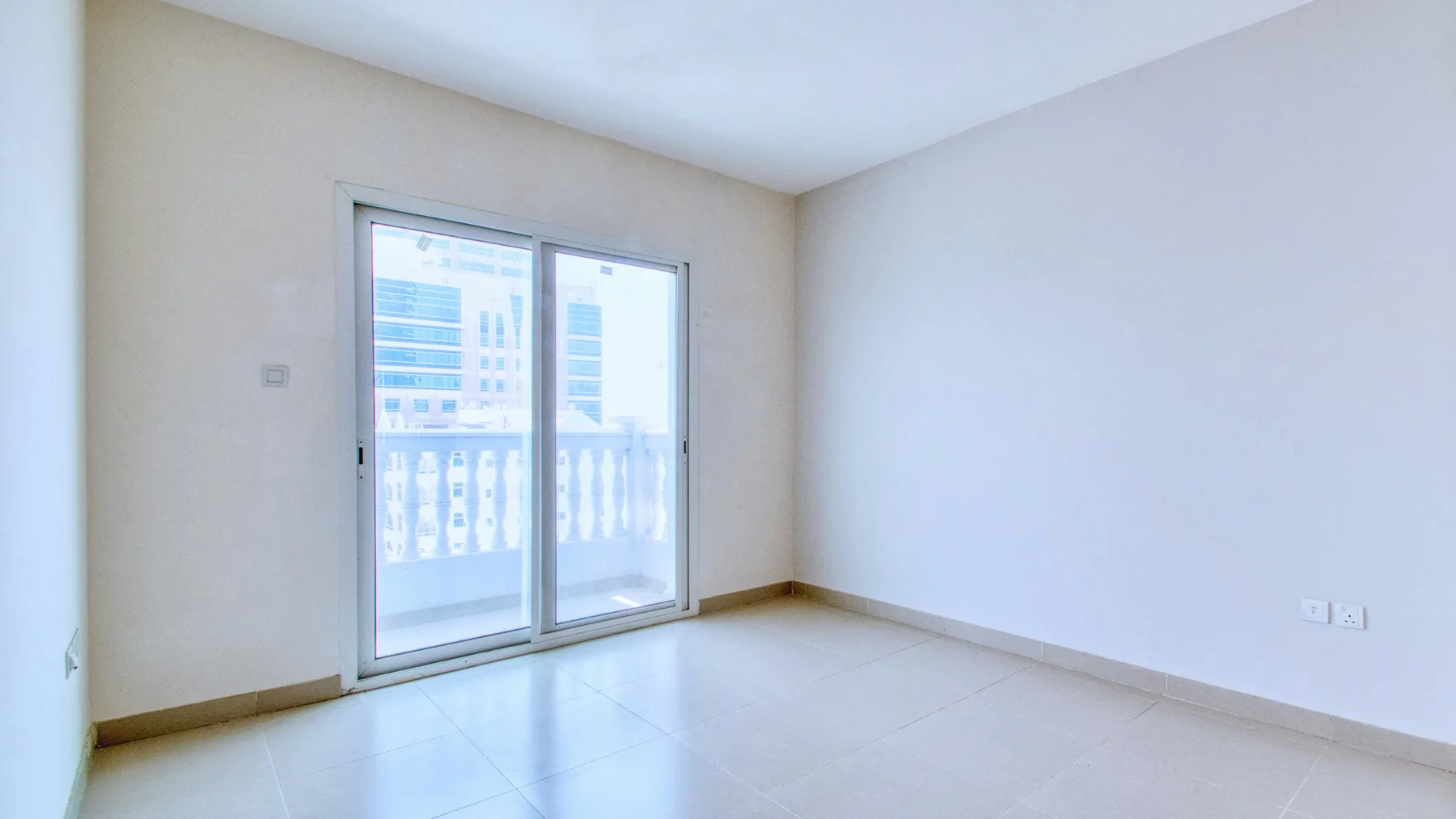
A move-out clearance in Dubai runs backwards from the handover date. Everything the tenancy did not include has to be out of the property before the inspection, and the final week of a lease is the hardest week in the calendar to secure a crew, a vehicle and a service lift slot at the same time. Booking the clearance for the day before handover is the most common way a Dubai move-out comes apart.
Quick answer
Count backwards from your handover date, not forwards from the day packing starts. Anything that arrived with you leaves with you, including the contents of the balcony, the store room and the kitchen cupboards. Items you fixed to the walls are a separate job from the clearance and take longer than the clearance does. Book the collection for three to four days before handover rather than the day before, so a missed item still has somewhere to go.
What Has to Be Gone Before the Handover Inspection
Everything that was not in the property when you took it on has to be out of it before the inspection. That test is easier to apply than a room-by-room hunt, because it settles the awkward cases immediately: the washing machine you bought goes, the washing machine listed on the inventory stays.
| Category | Typical items | Does it leave? |
|---|---|---|
| The property's own contents | Appliances listed on the handover inventory, fitted wardrobes and kitchen units, air conditioning, water heater, light fittings, curtain tracks fitted at handover | No, these belong to the property |
| Everything you brought in | Furniture, mattresses, rugs, electronics, appliances you bought yourself, plants, balcony furniture, and the full contents of every cupboard and store room | Yes, all of it |
| Anything you fixed to the building | Shelving, mounted television brackets, added cabinets, feature wall panels, hooks and rails | Only if your contract requires the property back in its original condition, and what comes out is building material rather than household junk |
The third row is the one that catches Dubai tenants late. Taking out a shelf you installed two years ago produces wall damage and construction material in the middle of what everyone was calling a furniture clearance, and our guide to the line between construction debris and household junk covers which side each item falls on. Check the reinstatement wording in your tenancy contract early, because that clause decides whether this is a job at all.
This checklist runs the countdown from the tenant's side. For what the landlord or agent is measuring the property against on the day, see our guide to end-of-tenancy clearance and what landlords expect in Dubai. For the building-side mechanics of getting a load out of a tower, the lift slot, the loading point and the permitted hours, our apartment cleanout guide for Dubai renters covers those in full.
Work Backwards From the Handover Date
The order below is built around the two things that cannot be compressed: the time it takes to pass an item on to somebody else, and the time it takes to get a booked slot in a busy building.
| Point in the countdown | What to deal with |
|---|---|
| Four weeks out | Decide what is not going with you, room by room. Anything you intend to sell, donate or hand to a neighbour needs this much runway, because a recipient who has to collect from a tower needs notice of the floor and the lift. |
| Two to three weeks out | Book the clearance date and request the service lift slot from building management. Both are shared with every other move in the building and both get scarcer as the month ends. |
| One week out | Confirm the load. Send photographs of the furniture, appliances and anything heavy so the crew size and vehicle are right the first time. |
| Three to four days out | The clearance visit. The property is emptied of contents while there is still time to deal with anything unexpected. |
| Final 48 hours | Handover cleaning, which is a separate trade from clearance and has to happen after the rooms are empty. |
Handover cleaning and item removal are different jobs, and this business does the second one. A property cleaned while furniture is still standing in it gets cleaned twice, which is the practical reason the clearance goes first rather than a matter of preference.
What Is Still in the Property on Inspection Day
Certain items survive every packing week in Dubai, and it is the same list in almost every property. They share one feature: nobody walks past them during the weeks when decisions are being made.
- The balcony. Drying racks, sun-bleached plastic chairs, plant pots, and the boxes that were put outside temporarily. Balconies are part of the leased area and are inspected.
- The store room or maid's room. Suitcases, spare bedding, an old router, the packaging from a television bought three years ago.
- Under the kitchen sink. Part-used cleaning products, drain cleaner and pesticide. Chemicals sit outside a standard household load and need their own route, which our guide to hazardous household waste in Dubai sets out.
- The top of the wardrobe. Above eye level is invisible during packing and obvious during an inspection.
- The parking space and bicycle store. A bicycle with a flat tyre and a car roof box belong to the tenancy as much as the sofa does.
- Curtains and blinds you added yourself. These are yours, and leaving them up reads as abandoned property rather than as a gift.
Leaving any of this beside the building's bin area is not a disposal route. Bin areas in Dubai buildings are sized for daily household waste, and the rules on what may wait in a common area vary between towers and communities, which our guide to bulky waste collection rules in Dubai covers in full.
Furniture Is the Part That Runs Out of Time
Furniture decides the schedule of a move-out clearance because it is the category with the most possible destinations and the least flexibility on the day. A sofa that could have gone to a new home three weeks ago has one remaining route in the final 48 hours.
Volume is the visible constraint and access is the real one. A three-seat sofa, a wardrobe and a king bed frame leaving a Dubai apartment need a booked service lift, a crew of the right size and a place for the vehicle to stand. Booking furniture removal as part of the same visit as the rest of the contents keeps that to one lift slot rather than three. Where a piece is not coming with you because it will not fit the next home or the shipping cost outruns its value, our guide to furniture you cannot take with you when moving in Dubai works through which route each piece should take.
The final week is the week everything is booked
Leases across Dubai tend to end at the same points in the month, which means service lifts, removal vehicles and clearance crews are all under the heaviest demand in exactly the week most tenants leave this to. A slot that would have been straightforward a fortnight earlier becomes the thing that decides whether you hand over on time. Booking the date early costs nothing and can be moved; leaving it to the last week removes your ability to choose at all.
Booking a Clearance Against a Fixed Date
Three details decide whether a Dubai clearance finishes in one visit, and all three are known before the crew leaves the depot.
- What is going. Photographs of each room, including the balcony and store room, are enough for a quote on volume and item type without a site visit.
- Which floor, and whether there is a service lift. A booked lift slot is issued to you as the resident and cannot be requested by a visiting crew. Tell us the slot time and length so the load is planned to fit inside it.
- Where the vehicle can stand. Loading distance from the door to the vehicle affects the time on site more than the number of items does.
A whole property being emptied at the end of a lease is a house and villa clearance rather than a single-item pickup, and quoting it as one job is what keeps the crew size and the vehicle right. Send photographs on WhatsApp or through the contact page with your handover date, and you will get a slot that sits ahead of it rather than on top of it.
For departures during hotter weather, our summer move-out junk removal guide adds exposed-loading checks, service-lift coordination and arrangements for an authorised representative if you leave before collection.
Keep One Spare Day in the Plan
The last piece of advice is the one most easily acted on: whatever date you settle on, leave one clear day between the clearance and the handover inspection.
Every move-out produces at least one surprise. A wardrobe that turns out to be screwed to the wall, a store room whose door has been blocked by boxes since the day you arrived, a neighbour who agreed to take the dining table and then did not come. A spare day absorbs all of those. Without one, each becomes a decision made in a corridor an hour before the landlord arrives, and that is where tenants end up abandoning items they could have passed on and paying for a second visit they had already been warned about.
Frequently asked questions
Before, and by several days where the schedule allows it. A removal company loading a Dubai apartment works faster and more accurately when the only things left in the rooms are the things travelling, and every unwanted item still standing on the day is something that gets carried around, packed by mistake or shifted twice. Clearing first also means the volume quoted for the move is the real volume. If the two have to happen in the same week, put the clearance first and leave a day between them so anything the movers reject still has a route out of the property.
It becomes the landlord's problem to solve and the tenant's cost to carry, and the terms of that sit in the tenancy contract rather than in any general rule. Read the handover and condition wording in your own contract, because that is what governs it. The practical position is simpler than the contractual one: a property handed back with a mattress in the second bedroom and a broken drying rack on the balcony is not an empty property, and the inspection reflects that. Clearing the last items is a smaller job than arguing about them afterwards.
It is possible and it is the arrangement that fails most often. A same-day clearance leaves no margin for a service lift slot that overruns, a piece of furniture that will not come apart, or an item nobody expected to find behind the store room door. Book the collection three to four days ahead of the inspection instead. That gap costs nothing and it is what turns a missed item into a phone call rather than a failed handover.
Yes, and they are the two spaces most often still full when the inspection happens. A Dubai balcony collects drying racks, plant pots, sun-bleached outdoor chairs and the boxes that never made it back inside, none of which register as belongings during the packing weeks because nobody walks out there. The store room or maid's room holds the same category of forgotten object at greater volume. Both are part of the leased property, so both are inspected, and both should be emptied in the same visit as the rest of the contents.
Somebody with authority over the property needs to be there, though it does not have to be the tenant personally. The crew works to instructions about what goes and what stays, and those decisions cannot be made from a photograph once the vehicle is on site. Where the tenant has already left the country, which is common at the end of a Dubai lease, a named friend, a relative or the letting agent can hold the keys and confirm the list. Agree in advance who that person is and what they are authorised to release.
Anything that counts as an item rather than as dirt. Handover cleaning covers surfaces, floors, glass, kitchens and bathrooms, and a cleaning crew will not carry a sofa, a mattress, a fridge, a pile of flat-pack panels or bagged general waste out of a Dubai building. Those two jobs are separate trades and run in a fixed order: the property is cleared of items first, then cleaned, because cleaning a room that still has furniture in it has to be done twice.
It is worth booking whenever the items are heavier, bulkier or more numerous than one person can move down to street level in a single trip. A single mattress, a two-seat sofa and four bags is already past that line in a Dubai tower where the service lift needs a slot and the vehicle needs somewhere to stop. The alternative, which is leaving them beside the building's bin area, is not a disposal route and is the version that generates a complaint from building management.
Related articles

Preparing Your Villa for Handover: Clearance Tips
A villa handover in Dubai is failed outdoors more often than indoors. The garden, garage and roof terrace hold a second load that cannot travel with the furniture.

What to Keep, Donate or Junk When Moving in Dubai
Every item in a Dubai move passes three tests: fit in the new home, donatable condition, and time left to donate it. Fail one and it's junk, however good it looks.
Storage Unit Overflow: When to Call Junk Removal
A Dubai storage unit has become overflow, not storage, when you're paying to store things you can no longer reach, remember, or would buy again. Here's how to tell.