What to Keep, Donate or Junk When Moving in Dubai
Every item in a Dubai move passes three tests: fit in the new home, donatable condition, and time left to donate it. Fail one and it's junk, however good it looks.
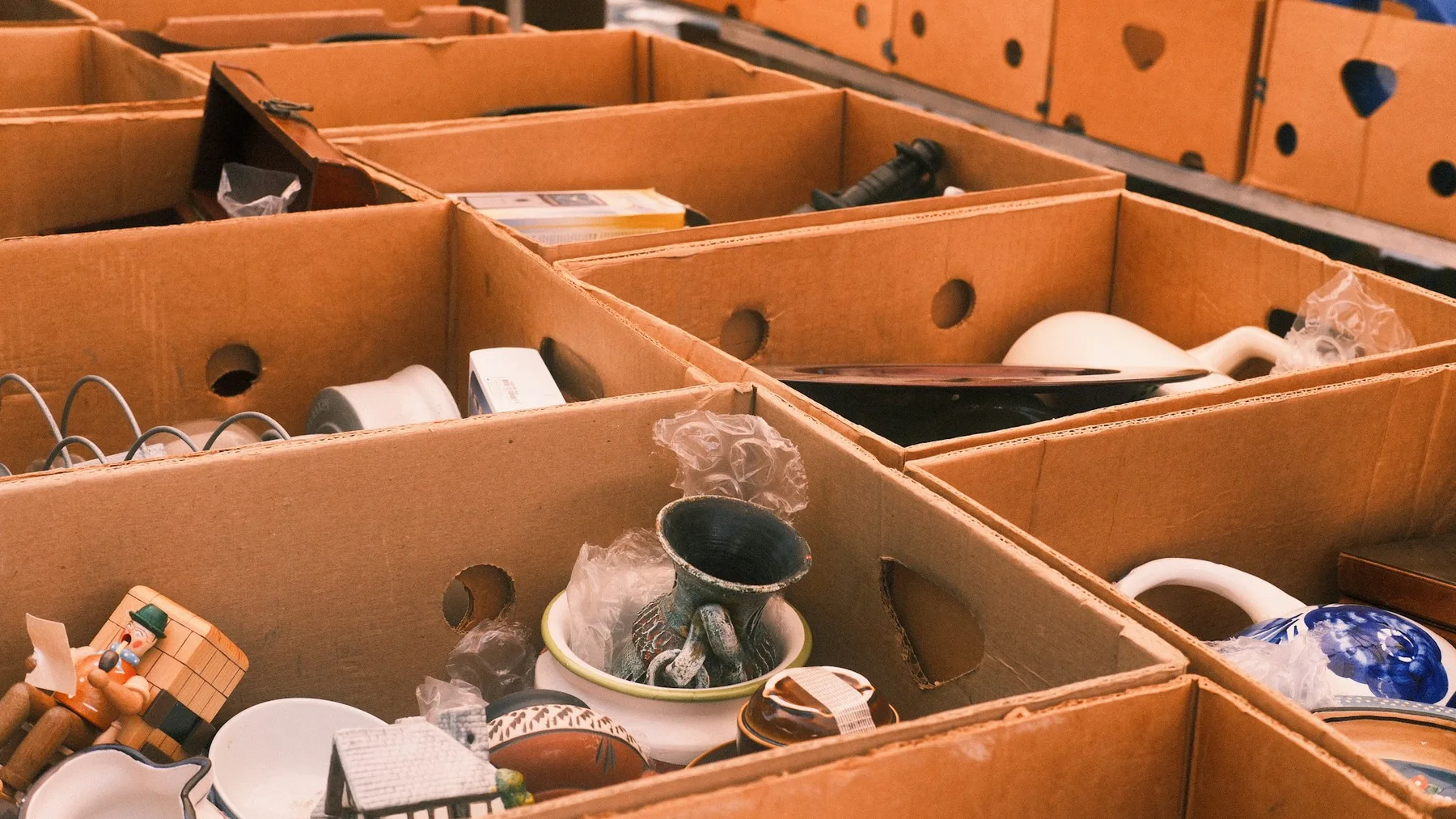
Every item leaving a Dubai home on move day passes, or fails, three separate tests, and which one it fails decides where it goes. The first test is fit: does it have a real place in the next home. The second is condition: would someone else take it as it stands. The third is time: is there still enough of it left to find that someone. An item can be in perfect condition and still be junk, if there's no time left to donate it.
Quick answer
Keep an item only if it has a named place in the new home, not just a hoped-for one. Donate it if it's clean, complete and there's still time to find a recipient, since good condition without time behaves exactly like poor condition. Everything that fails both tests is junk, however usable it looks, because usability nobody can act on isn't worth anything. Set aside a small, time-limited "undecided" pile for anything that resists an easy call, rather than letting hesitation default the item into whichever box is nearest.
The Three Tests, in the Order That Actually Matters
Testing fit before condition changes the outcome for a surprising number of items in a Dubai move, because it catches things that would otherwise sail through on condition alone.
A three-seat sofa in excellent condition that doesn't fit through the new apartment's service lift door fails the fit test regardless of how it looks. A full set of curtains, professionally cleaned, sized for windows that don't exist in the next home fails the same test. Testing condition first tends to wave both of these through, because both look like easy keeps on inspection. Testing fit first forces the real question: not "is this good," but "does this have somewhere to go."
| Test | The question | If it fails |
|---|---|---|
| Fit | Does this have a named place, drawer or use in the new home? | Moves to the donate test |
| Condition | Is it clean, complete and functional enough that someone else would take it? | Moves to junk |
| Time | Is there enough of the move window left to find a recipient? | Moves to junk |
An item only reaches "keep" by passing the fit test on its own merits. Everything else runs through condition and time before it's allowed into either the donate or the junk pile, and failing either of the last two tests ends in the same place: with a junk removal collection, not a donation.
Why Good Condition Isn't the Deciding Factor
The instinct is to sort by how something looks, and it's the wrong instinct for a move with a real date attached.
A dining table in flawless condition offered for donation six days before a Dubai move date behaves, in practice, exactly like a damaged one: neither reaches a recipient in time. Donation is a two-sided transaction. It needs someone to see the item, decide they want it, and arrange a vehicle and a pair of hands on a day that suits both sides, and our full guide to donating used furniture in Dubai covers what that timeline requires and where it most often runs out. Condition earns an item a chance at donation. It doesn't guarantee the chance gets used before the boxes are sealed.
That's the practical argument for testing time as its own, separate step rather than folding it into condition. An item that would clearly find a taker with three weeks of notice and won't find one with three days is the same item under two different deadlines, and the deadline is what decides its category here, not the item.
Sorting by Item Category, Not by Room
Working through a Dubai home room by room is the right approach for deciding what order to tackle the sorting in, and our room-by-room decluttering guide for a Dubai move covers that sequence in full. The three-test decision itself, though, runs the same way regardless of which room an item came from, and it's more consistent applied by category than reapplied fresh in every doorway.
| Category | Keep test | Donate test | Usually junk when |
|---|---|---|---|
| Furniture | Fits the new floor plan and access route | Structurally sound, no missing fixings, lead time available | Flat-pack with lost fixings, or sun-damaged outdoor pieces |
| Appliances & electronics | Still used weekly, compatible with the new home's power setup | Powers on, completes a full cycle, cord and plug intact | Doesn't hold a full cycle, or replaced but not removed |
| Clothing & textiles | Worn in the last year, fits the current household | Clean, no visible wear, seasonal gaps aside | Stained, torn, or expired synthetic elastic |
| Kitchenware & homeware | Used regularly, not a duplicate of what's already owned | Complete sets, no chips on food-contact surfaces | Chipped, incomplete, or duplicated from a previous move |
| Documents & paper | Warranties, contracts, anything tied to the current tenancy | Not applicable | Superseded manuals, expired paperwork |
| Chemicals & hazardous items | Still in active use | Not applicable, these don't travel through standard donation routes | Always separated out, never binned with general items |
The chemicals row is the one exception worth flagging on its own. Part-used paint, pesticide, cleaning products and aerosols don't pass through a keep/donate/junk sort the way everything else does, because they need their own disposal route rather than either a donation handover or a standard junk load. Set them aside as their own group as soon as they surface.
Furniture Gets a Fourth Option
Furniture is the one category where "the new occupant" sits alongside keep, donate and junk as a genuine fourth destination, and it changes how the sort works for anything heavy or fitted.
A wardrobe, a dining set, or a piece built into the layout of the property can sometimes be left for whoever moves in next, rather than moved or donated at all. That route only works with the landlord or agent's written agreement before handover day. An unagreed piece left behind doesn't become a donation, it becomes the outgoing tenant's unresolved problem, charged back after the fact. Where that agreement exists, check it before defaulting a large piece to junk because there wasn't time to arrange a donation collection for it.
Booking the Collection
Once the sort is done, junking and donating don't need two separate bookings. A single furniture removal or junk removal visit can carry both, provided the two piles are staged separately and the crew is told which is which before anything is loaded. Items still in donatable condition are routed on rather than treated as general volume, but only the pieces flagged in advance get that treatment. Send photographs of both piles on WhatsApp or through the contact page, noting which items are which, and the crew and vehicle can be sized correctly before the day.
Run the Sort Once, Not Per Box
The most common way this process goes wrong isn't a wrong decision on any single item. It's re-litigating the same item three times because the first pass didn't apply the tests in order.
Deciding fit, then condition, then time, and writing nothing down beyond which of three piles an item lands in, gets through a Dubai home faster than a system with more categories or more nuance. The piles don't need labels beyond the three words. What they need is a rule applied the same way every time an item is picked up, so the second half of the sort goes as fast as the first half did.
For the furniture pile specifically, once it's separated from the rest, our comparison of donating against junking furniture in Dubai works through the donate-or-junk call in more depth than a three-way move sort has room for, including how much lead time each piece actually needs.
Frequently asked questions
Run it through three tests in order: does it have a genuine place in the new home, is it clean and complete enough that someone else would take it, and is there still enough time left to donate it. An item that fails the first test but passes the second and third goes to donation. An item that fails the second or third test goes to junk, regardless of how good it looks, because condition without a taker or condition without time both end the same way. Keep is the only category that doesn't depend on someone else's decision, which is why it's worth testing first.
Only if you can name the room it goes in, not just the home it goes to. A box of cables, a spare set of curtains sized for a different window, or furniture bought for a two-year lease all sound potentially useful in the abstract, and all three routinely arrive at a new Dubai address with nowhere to go. If the new home's layout is already known, hold the item against it: a real wall, a real drawer, a real use within the next few months. If the layout isn't known yet, that uncertainty is itself the answer, and the item travels as volume on a guess.
Mattresses, pillows and other close-contact soft furnishings are declined by most charity and community routes on hygiene grounds regardless of how clean they look, and the same applies to anything expired, food-contaminated, or missing the parts that make it usable, such as a lamp with no cord or a flat-pack unit with no fixings. Good visible condition is necessary but not sufficient. If a recipient can't verify what's inside or underneath a soft item, they decline it rather than take the risk, and that pattern holds across nearly every donation route in the city.
Put them in a fourth, temporary pile rather than forcing an early decision, and set a real deadline for it, such as the day the boxes have to be sealed. Items that resist an easy answer are usually the ones carrying more hesitation than function, and giving them a day or two of distance from the rest of the sort makes the eventual call faster, not slower. What doesn't get decided by the deadline defaults to junk, because an undecided item that travels to the new home unresolved becomes next year's undecided item.
Yes, as long as the two groups are kept physically separate and the crew is told which is which before loading starts. A junk removal visit can carry items destined for donation as part of the load, routed on afterwards rather than left for a separate collection to arrange. What doesn't work is mixing them in one pile and expecting the sorting to happen on-site: tell the crew what's staged where, and confirm anything donation-bound stays out of the general load.
Only if the specific fault is one a recipient has explicitly said they can work around, and that's rare enough to treat as the exception rather than the rule. A chair with a wobble, a lamp with a frayed cord, or an appliance that no longer holds a full cycle all read as functional at a glance and fail on first real use, which costs the recipient more than a straightforward refusal would have. Default a genuinely broken item to junk and let a working substitute carry the donation pile instead.
Related articles

Garage Sale Leftovers: Fast Junk Removal in Dubai
Garage sale leftovers are the items the market already turned down, which is why re-listing them rarely works. Here is the faster route for clearing what is left.
Decluttering Before a Move in Dubai: Room-by-Room Guide
Decluttering before a Dubai move works best in order of decision difficulty rather than room size. This guide covers what each room asks of you, and in what order.
Move-Out Junk Removal Checklist for Dubai Tenants
A move-out clearance in Dubai runs backwards from the handover date, not forwards from packing day. Here is what has to be gone, in what order, and when to book it.