Construction Debris vs Household Junk: What We Take
The dividing line is not the material. A Dubai household load and construction debris are separated by whether the item was ever part of the building itself.
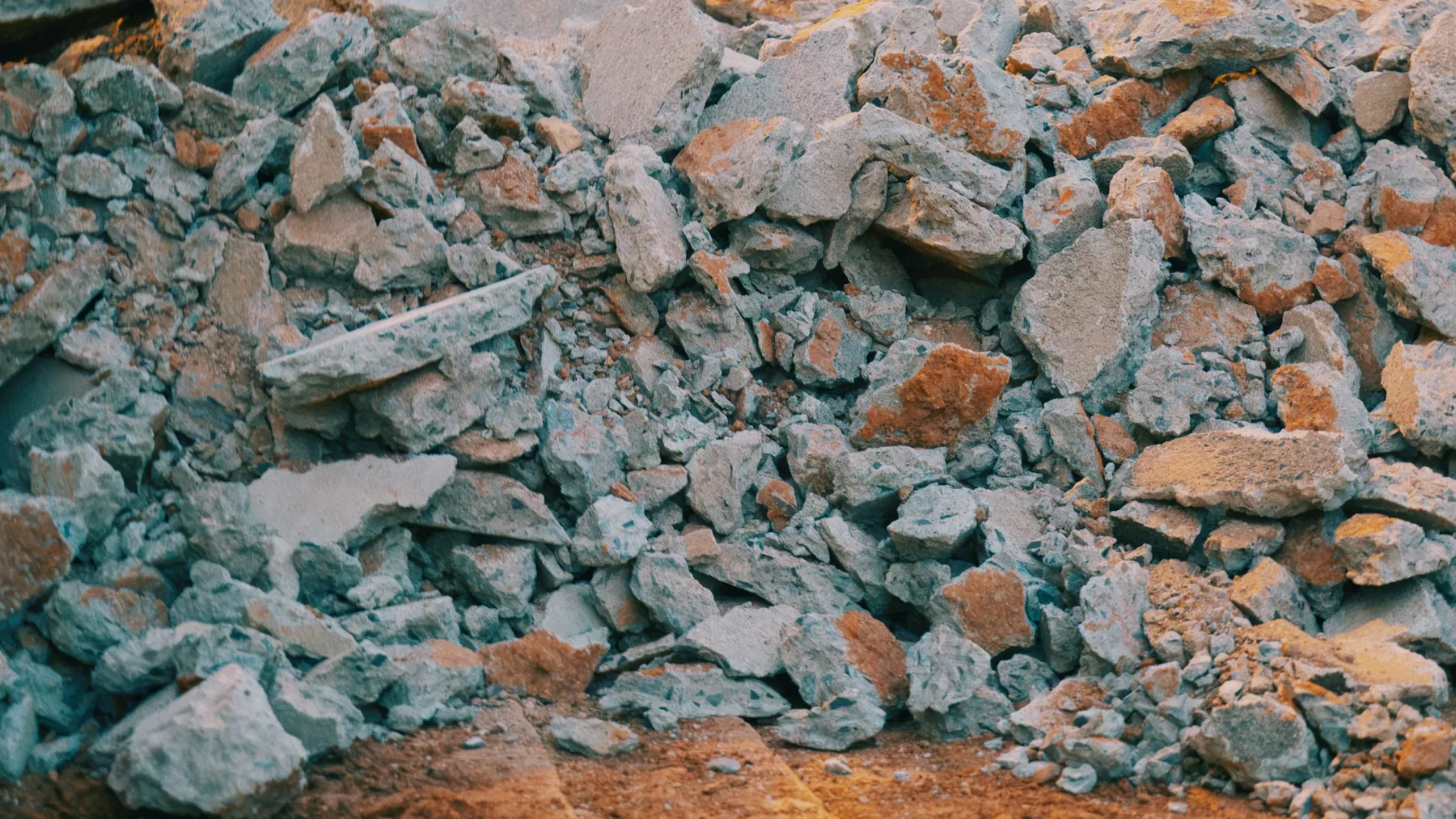
The line between household junk and construction debris is not drawn by what the material is. It is drawn by whether the item was ever part of the building. A wooden wardrobe standing on a bedroom floor in Dubai is household junk and a straightforward collection. The wooden kitchen units unscrewed from the wall of the same apartment are construction debris, even though both are board, both came out of the same property, and both are going in the same direction.
Quick answer
Junk Removals Dubai collects household and office contents: furniture, appliances, electronics, mattresses, carpets, boxes, packaging and general waste. Construction and demolition material falls outside what this business does, which covers rubble, broken tile, concrete, screed, plaster, removed sanitaryware, doors and frames, and fitted joinery once it has been taken off the wall. That material needs a carrier equipped for it. The test that settles almost every item is one question: was it part of the building, or was it standing in it?
The Test That Settles Most Items
Ask whether removing the item required altering the building. If a thing came out of a wall, a floor or a ceiling, it is construction debris regardless of what it is made of. If it was standing on the floor and could be carried out without touching the structure, it is household junk.
The reason the test is written around attachment rather than around material is that the material tells you almost nothing. Timber, board, metal, glass and plastic all appear on both sides of the line. What differs is what the material arrives carrying. Building components come out with mortar, adhesive, grout, sealant, plaster, screed and fixings still attached, and they come out broken rather than whole.
That difference has an operational consequence rather than a cosmetic one, and it is worth stating plainly because it explains the boundary. Construction material is dense. Broken tile, concrete and screed weigh several times what household items of the same volume weigh, so a pile that looks unremarkable standing in a Dubai apartment can pass a collection vehicle's safe payload while the vehicle still looks half empty. A household load is limited by space. A debris load is limited by weight, and the two need different vehicles for that reason alone.
Which Side Each Item Falls On
| What is going | Which side | Why it lands there |
|---|---|---|
| Sofas, beds, freestanding wardrobes, tables, chairs | Household junk | Furniture standing on the floor, never attached to the structure |
| Fridges, washing machines, ovens, air conditioning units removed by a technician | Household junk | Appliances, handled as appliance disposal even when they were plumbed or wired in |
| Cardboard, packaging film, foam protectors, dust sheets | Household junk | General waste produced by the work rather than by the building |
| Fitted wardrobes, kitchen units, worktops, built-in shelving | Construction debris | Joinery fixed to the structure, carrying fixings and wall surface when it comes out |
| Tiles, grout, adhesive, screed, mortar, concrete | Construction debris | Building fabric, and the densest material in any pile |
| Plasterboard, partition sections, ceiling grid and tiles | Construction debris | Structural and semi-structural components |
| Sanitaryware, basins, shower trays, removed pipework | Construction debris | Fixed installations removed by altering the building |
| Doors, door frames, skirting, architrave | Construction debris | Building components, and frames take plaster and fixings with them |
| Timber and board offcuts left by a contractor | Construction debris | Material produced by the works, not contents of the home |
| Furniture damaged during the works | Household junk | Still furniture, whatever condition the job left it in |
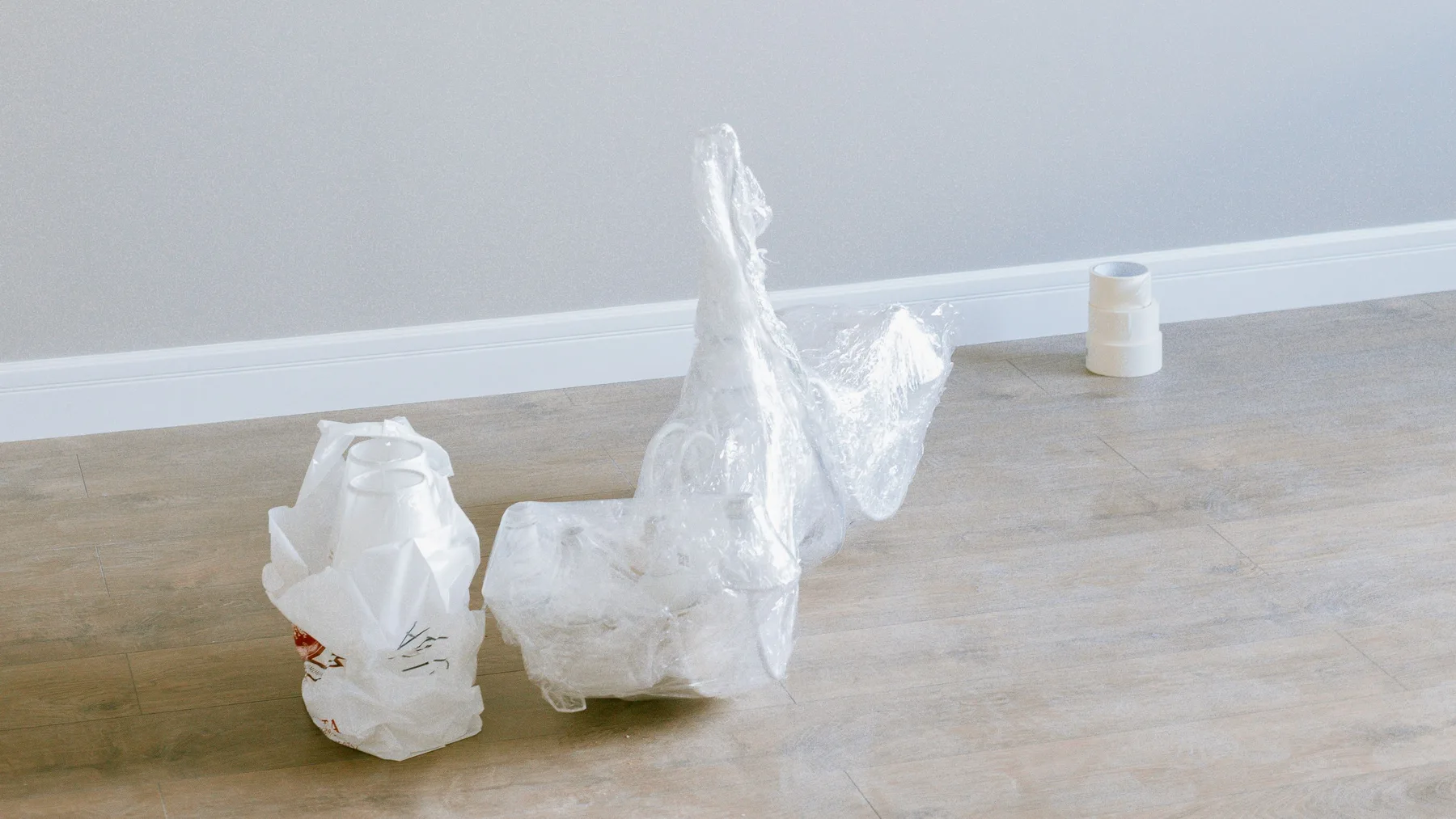
The third row is the one worth noticing, because it is the part of a post-renovation pile that a household collection does cover. Packaging and protection make up a large share of the volume left behind after a Dubai fit-out, and they are ordinary waste right up until somebody tips tile fragments on top of them.
The Grey Zone Is Always Fitted Joinery
Rubble is never in dispute. Nobody looks at a heap of broken tile and wonders whether it is furniture. Every real argument on this subject happens over fitted joinery, because a fitted wardrobe, a kitchen run and a built-in bookcase are furniture in every ordinary sense of the word and are building components in the sense that matters here.
The moment the unit is unscrewed, it stops being a piece of furniture and becomes a set of panels with wall plugs in them, sealant along one edge, and usually a strip of the wall surface still attached where the adhesive held. It cannot be donated, it cannot be resold, and it does not load like furniture. This is the same boundary that decides an office exit, where our guide to disposing of office furniture in Dubai covers where a furniture collection ends and a fit-out contractor's work begins. The rule is identical in a home; only the items change.
Reinstatement at handover turns a move-out into two jobs
This is where Dubai households meet construction debris without ever having planned a renovation. A tenancy that allowed shelving, a feature wall, a fitted shoe cabinet, a mounted television bracket or a partition in a spare room frequently requires the property to be handed back in its original condition. Taking those items out at the end of the lease produces building material and wall damage in what everybody involved was calling a furniture clearance. Read the reinstatement wording in your contract months before the handover rather than the week of it, because the debris removal and the making good are separate jobs from the clearance and neither fits into the day before an inspection.
What This Business Clears, and What It Does Not
Junk Removals Dubai handles the contents of a property. That covers household and office furniture, appliances, electronics, mattresses, carpets and rugs once lifted, garden and green waste, boxes, packaging and general household waste, across apartments, villas, offices, storage units and warehouses. A mixed load of that kind is a standard junk removal booking, and a property being emptied of everything it contains is a full clearance.
Construction and demolition work is outside what this business does, and that is a stated boundary rather than a gap. The crew does not carry out demolition, strip-out, joinery removal or structural work of any kind, and does not transport construction and demolition material. Where a property has both, the two are separate arrangements with separate carriers, and our guide to bulky waste collection rules in Dubai covers how the household half of that split has to be moved out of a building.
Sorting a Post-Renovation Pile Before You Book
How to
Separating debris from household junk after work in a Dubai property
- 1
Sort by where each thing came from, not by what it is made of
Walk the pile and ask of every item whether it was standing in the room or was part of the room. Material is a misleading guide here, because timber, board, metal and glass turn up on both sides of the line.
- 2
Group anything that came off a wall, floor or ceiling
Fitted units, tiles, sanitaryware, doors, frames, skirting and plasterboard go together as one group. This is the group that needs a carrier equipped for construction and demolition material.
- 3
Contain the fine material separately
Grout, plaster dust, tile fragments and cement residue travel badly loose and contaminate everything they are piled onto. Get them into their own rubble sacks or containers early, while the pile is still separable.
- 4
Pull the packaging and protection out before it gets buried
Cardboard, film, foam and dust sheets are ordinary waste and belong with the household load. Once they are under a layer of tile and cement dust nobody separates them again, and the volume moves to the debris side for no reason.
- 5
Check the contents group for items with their own route
Appliances, electronics and anything with a battery in it are handled separately from general household junk, and paint, adhesives, solvents and part-used cement bags left by the works sit outside a standard load entirely.
- 6
Photograph each group and book them in the right order
Send photographs of the household group when booking a collection, and arrange the debris group with a specialist carrier. Getting the debris out first is what lets the household load be assessed and loaded properly.
Take the Debris Out First
The order of the two collections is worth deciding deliberately, because it changes how well both go.
A debris carrier working around sofas and boxes is slower, and every furniture item in the way is something to be moved twice. More to the point, a household load sitting under tile dust and plaster residue for a week is a household load that has lost its reuse prospects. Fabric, mattresses and upholstered furniture take fine construction dust deep into the material, and no one assessing a piece for donation afterwards is going to see past it.
This article covers which side of the line each item falls on and how to separate the pile. The scheduling and access side of the same job, meaning when to book the household collection, what a contractor does and does not take away, and why post-renovation cleaning is a different trade again, is set out in our guide to post-renovation cleanup and junk removal in Dubai.
Clear the building material first, then book the contents. If both are already mixed and standing in one heap, say so when you book a waste removal collection rather than hoping it sorts itself out on the day. Send photographs of the pile to our team on WhatsApp or through the contact page and you will get a straight answer about which half of it we can carry before a vehicle is ever dispatched.
Frequently asked questions
Once it has been unscrewed from the wall it is joinery rather than furniture, which puts it on the construction side. The distinction is not about the material, since a fitted wardrobe and a freestanding one are often made of the same board. It is that a fitted unit was part of the building and comes out carrying wall plugs, screws, sealant, adhesive and usually sections of the wall surface behind it. A freestanding wardrobe standing on the bedroom floor is furniture, and that one is a straightforward furniture removal in Dubai.
Weight and routing, in that order. Broken tile, concrete, screed and mortar are several times denser than household items of the same volume, so a pile that looks modest in a Dubai apartment can exceed a collection vehicle's safe payload long before the vehicle looks full. The material also has its own disposal route, separate from the reuse and recycling routes a household load is sorted into. Both reasons point the same way: construction and demolition material needs a carrier equipped for it, which is a different vehicle and a different arrangement from a household collection.
No. Removed tiles are construction and demolition material, and they arrive with adhesive, grout and screed still attached, which is what puts them firmly on that side of the line. This applies whether the tiles came off a floor or a wall and whether they are broken or intact. Arrange them with a carrier set up for construction debris. Junk Removals Dubai clears the bathroom cabinet, the mirror unit, the old washing machine and the general contents of the property, and does not carry the tiled surfaces themselves.
That depends on the tenancy contract and on what was agreed with the landlord when the work was done, so read the contract rather than relying on what is customary. What is worth planning for either way is the consequence: if a fitted item does have to come out, taking it out produces construction material rather than household junk, and it also produces wall damage that needs making good. Both are separate jobs from the clearance of the furniture and contents, and both take longer than the day before a handover inspection allows.
It is separated out and left behind, and the collection takes longer than it should have. A crew arriving to clear furniture and contents cannot take the debris away in the same vehicle, so the practical result is a load that is part cleared and a property with a pile still standing in it. This is the most common reason a Dubai clearance runs to a second visit after a renovation. Naming the debris at booking rather than hoping it travels with everything else is what keeps the job to one visit.
A door taken off its hinges and a frame prised out of the opening are both building components, so both sit on the construction side even though a door looks like a large flat object rather than like rubble. The frame is the clearer case, because removing one takes plaster, sealant and fixings with it. A wardrobe door, a cupboard door from a freestanding unit or a glass shower screen that was never fixed into the structure are different matters and travel with the household load.
No, and this is the part of a post-renovation pile that a household collection genuinely covers. Cardboard cartons, plastic film, foam corner protectors, dust sheets and floor protection are general waste rather than building material, and they make up a surprising share of the volume left in a Dubai property after a fit-out. Keep them separate from the rubble rather than letting the two mix, because once cardboard is buried under tile fragments and cement dust nobody separates it again and the whole pile has to be handled as debris.
Related articles
Post-Renovation Cleanup & Junk Removal in Dubai
Post-renovation cleanup in Dubai is three separate jobs booked under one phrase. Only one of them is a junk removal crew, and knowing which saves a wasted day.
Do You Need a Permit to Dispose of Bulk Waste in Dubai?
No permit is issued to a Dubai household for disposing of bulk waste. The permissions that do apply belong to your building and to whoever transports the load.

Landfill vs Recycling: Where Dubai's Junk Ends Up
Recycling delays landfill for most household materials rather than replacing it. What decides the gap is how many useful cycles a material has left in it.