Post-Renovation Cleanup & Junk Removal in Dubai
Post-renovation cleanup in Dubai is three separate jobs booked under one phrase. Only one of them is a junk removal crew, and knowing which saves a wasted day.
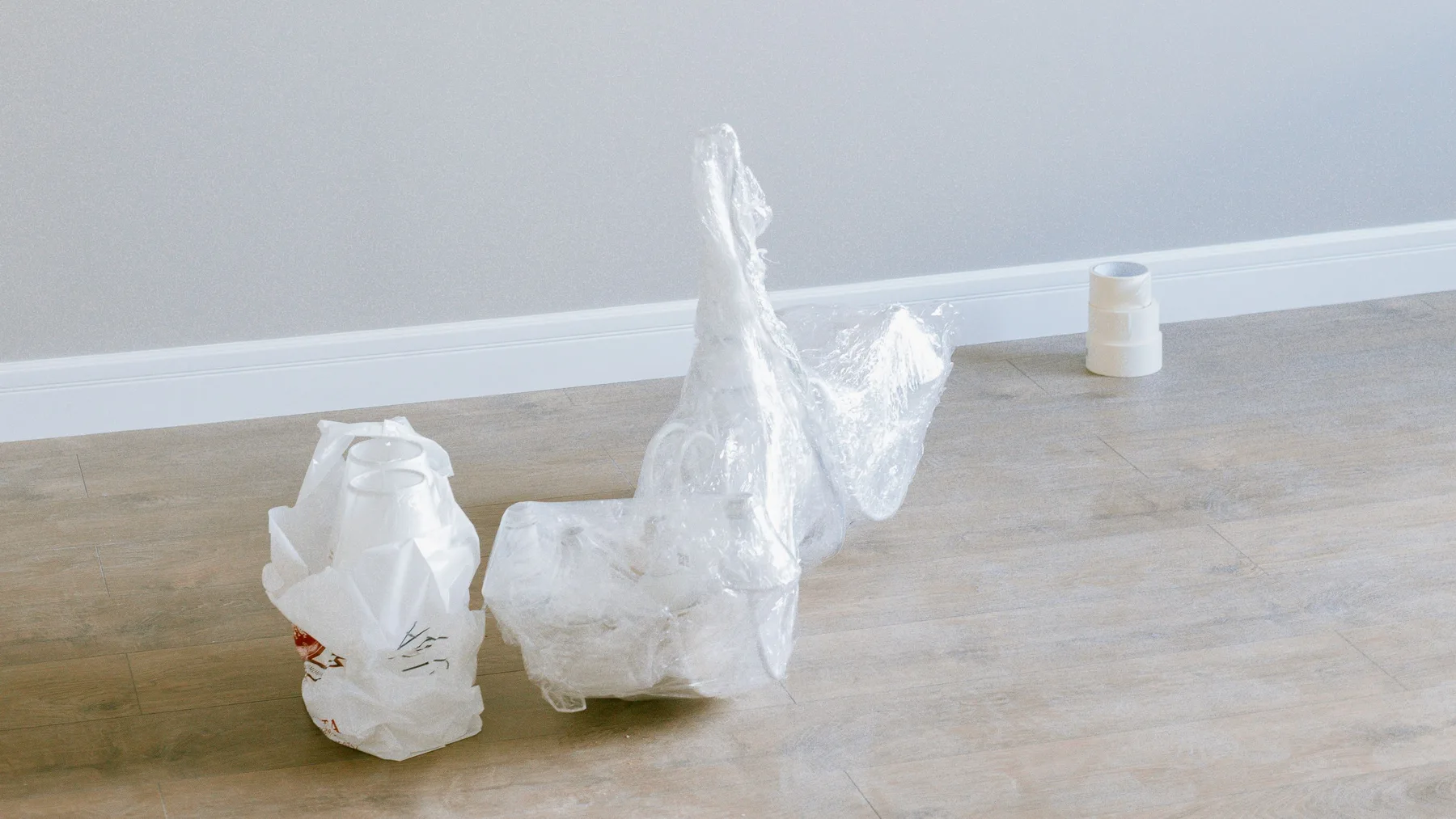
Post-renovation cleanup in Dubai is three separate jobs booked under one phrase. Construction debris has to go to a carrier equipped for it. The household side, meaning the packaging, the protective sheeting and the furniture and appliances displaced by the work, goes with a standard collection. The dust wash-down that makes the property usable is cleaning, and it is a different trade again. Junk Removals Dubai does the middle one.
Quick answer
Work out which of the three jobs you are booking before you call anyone. A junk removal crew clears the household half: packaging, protection, general waste, and the old furniture and appliances the renovation displaced. Construction debris needs a specialist carrier and should leave first. The dust clean is a cleaning company and comes last, after the property is empty. Book the household collection for the week the work finishes rather than the week the property is needed, and arrange building access separately, because contractor access permissions end when the contractor does.
Three Jobs, One Phrase
"Post-renovation cleanup" is used in Dubai for all three of the jobs below, which is why a property owner can book the phrase in good faith and still end up with the wrong crew standing in the hallway.
| The job | What it covers | Who does it |
|---|---|---|
| Debris removal | Rubble, broken tile, screed, plaster, removed sanitaryware, doors and frames, fitted joinery, offcuts | A carrier equipped for construction and demolition material |
| Household clearance | Packaging, cartons, film, dust sheets, general waste, and the furniture, appliances and contents displaced by the work | Junk removal, this business |
| Dust wash-down | Wiping surfaces, cleaning glass, mopping floors, removing fine dust from every surface | A cleaning company |
The order between them is fixed by physics rather than preference. Cleaning a property that still has a pile standing in it achieves nothing, because moving the pile afterwards puts the dust straight back. Everything has to be out before anything is wiped, which is what makes the clearance the step the other two are scheduled around.
Deciding which items belong to the debris job and which to the household job is a question of its own, and one this business gets asked constantly. The short test is whether the item was part of the building or was standing in it. Our guide to construction debris versus household junk works through that boundary item by item, including how to separate a mixed pile before either collection is booked and why the debris half should leave first.
What Is Actually in the Household Half
The household side of a renovation is larger than most property owners expect, because it is made of two things that arrive from different directions.
The first is protective material, and it is consistently underestimated. A Dubai fit-out arrives wrapped: every appliance, sanitaryware item, light fitting, door and run of flooring comes in a carton with foam or film around it, and the property itself gets protected as well with floor covering, sheeting over remaining furniture, and tape along every edge. None of that leaves with the contractor by default, and by the end it occupies more of the property than the work itself produced.
The second is displaced contents. Old appliances taken out for the work, furniture moved aside and never moved back, furniture damaged during the job, and carpets and curtains taken down and not rehung are all ordinary household items. They are frequently the heaviest part of what a junk removal crew carries out of a renovated Dubai property, and they decide the crew size and the vehicle, so they are worth naming at booking rather than describing as some bits left over.
Where the two together are more than a standard collection clears in one visit, a bulk trash pickup sizes the whole household side as a single load instead.
Pull the chemicals out before anything is bagged
A renovation reliably leaves a shelf of part-used paint, primer, solvent, adhesive, sealant and grout additive behind, and these do not travel with a general household load. They are small, they hide in a corner or under a sink, and they are usually found on the morning of the collection when there is no time to handle them separately. Set them aside as their own group while the property is still being sorted. Our guide to hazardous household waste disposal in Dubai covers what each of them needs.
Book It for the Week the Work Finishes
The most common scheduling mistake is treating the clearance as something to arrange when the property is needed, rather than when the work stops.
Renovation leftovers decay quickly once nobody is working in the property. Cardboard collapses and absorbs dust, protective film tears and spreads through the rooms, and fine dust settles into upholstery and mattresses, which is what removes the reuse option from furniture that had one. Material stacked tidily in a corner also does not stay stacked: whoever next passes through pushes it into a single heap, and a single heap is harder and slower to clear than three groups.
There is a scheduling reason as well as a condition one. A property standing with a pile in it cannot be handed over, shown to a tenant, cleaned or occupied, so the clearance is usually the constraint on every date after it. Booking it for the week the work finishes buys back the time the rest of the sequence needs.
Access After a Fit-Out Is Not the Access You Had During It
This is the part that catches Dubai apartment renovations specifically, and it catches them after everything else has been arranged.
Contractor access to a building is usually granted as a defined window, with the service lift booked out and padded and a route agreed with building management. That permission belongs to the contractor and it ends when they sign off. A collection booked the following week is a new arrangement, needs its own lift slot, and may fall under different rules from the ones the renovation ran under.
Confirm with building management what a collection requires before fixing a date, not after. In a villa the constraint shifts outward: the question stops being the service lift and becomes whether a vehicle can reach the property, and community access is decided at the entrance rather than at the front door.
Settle It With the Contractor Before the Work Starts
One question at the beginning of a Dubai renovation removes most of this problem: ask the contractor, in writing, exactly what they will remove when they finish.
The answers vary widely, and the gap between "we clear the site" and "we remove our own debris" is precisely the material that ends up standing in the property afterwards. Some contractors take their offcuts and leave every carton. Some take the rubble and leave the old appliances. Very few take the protective sheeting, because removing it is the last task and the job is finished by then.
Getting this settled before the work begins costs a sentence in an email. Getting it settled afterwards means negotiating with somebody who has been paid and has started their next job, which is a conversation with no leverage in it.
Send photographs of what is standing in the property on WhatsApp and the household half can be sized before anything is moved toward the door.
Photograph the Property Before the Protection Goes Down
A habit worth adopting on the day the work starts, rather than the day it ends: photograph each room before the floor covering and sheeting go in.
Those photographs are the only reliable record of what was in the property and what condition it was in before the renovation, and they settle two questions later that are otherwise a matter of memory. The first is which items were damaged by the work and which were already marked. The second is what was in the room at all, which matters more than it sounds once furniture has been moved into a store room, covered in sheeting and left for six weeks.
Frequently asked questions
No. Junk Removals Dubai removes what is left standing in the property after renovation work: packaging, protective sheeting, old furniture and appliances taken out for the work, and general waste. The dust wash-down that follows, meaning wiping surfaces, cleaning glass and mopping floors, is cleaning work and a separate trade with its own equipment. The two are commonly booked under the same phrase, which is worth clarifying early, because a property booked only for a junk collection will be emptied rather than cleaned.
Book it for the week the work finishes rather than the week the property is needed. Renovation leftovers deteriorate quickly once nobody is working in the property: cardboard collapses, protective film tears and spreads, dust settles into upholstery, and material stacked neatly in a corner gets pushed into one mixed heap by whoever passes through next. A property standing with a full pile in it also cannot be handed over, shown, cleaned or occupied, so the collection tends to be the step every other step is waiting on.
Yes. An old oven, fridge, washing machine, dishwasher or extractor hood is an appliance rather than a building component, so it travels with a household collection even though it was plumbed or wired in before it came out. The disconnection is a separate job that a qualified technician should do before collection day. The units, worktops and tiled surfaces removed from the same kitchen are a different matter, since those were fixed to the structure and fall outside what a junk removal crew in Dubai carries.
It is still furniture and it travels with the household load, whatever condition the work left it in. A wardrobe with a cracked panel, a sofa with plaster ground into the upholstery or a table with a scored top are ordinary furniture removals rather than construction debris, because none of them were part of the building. Tell the crew at booking that damaged large items are in the load, since a damaged wardrobe often has to come apart to leave a Dubai apartment rather than being carried out whole.
In an apartment building, almost always, and the arrangement is frequently different from the one used during the renovation itself. Contractor access is often granted as a fixed window with the service lift padded and booked out, and that permission ends when the contractor signs off, so a collection booked afterwards needs its own slot. Confirm with building management what is required before setting a collection date. In a villa the constraint moves to the community entrance and whether a vehicle can reach the property rather than to a lift.
That depends on what the contract with the contractor says about clearing the site, so check it before assuming either way. Where the property owner is left holding it, the leftover material splits into two routes: unused building material, offcuts, rubble and removed fittings go to a carrier equipped for construction waste, while the packaging, cartons, protective sheeting and general waste the work generated go with a household collection. Establishing which of the two the contractor is taking, in writing and before the work starts, is what prevents the question arising at the end.
Related articles

Preparing Your Villa for Handover: Clearance Tips
A villa handover in Dubai is failed outdoors more often than indoors. The garden, garage and roof terrace hold a second load that cannot travel with the furniture.
Storage Unit Overflow: When to Call Junk Removal
A Dubai storage unit has become overflow, not storage, when you're paying to store things you can no longer reach, remember, or would buy again. Here's how to tell.

Estate & Property Cleanout Services in Dubai
An estate cleanout in Dubai is arranged by someone other than the person whose belongings they are. Authority and sorting decide it, not volume.