Bulky Waste Collection Rules in Dubai (Municipality Guide)
A bulky item is anything the normal waste stream cannot take, and that one fact changes where it may wait, who moves it, and how it has to leave a Dubai property.
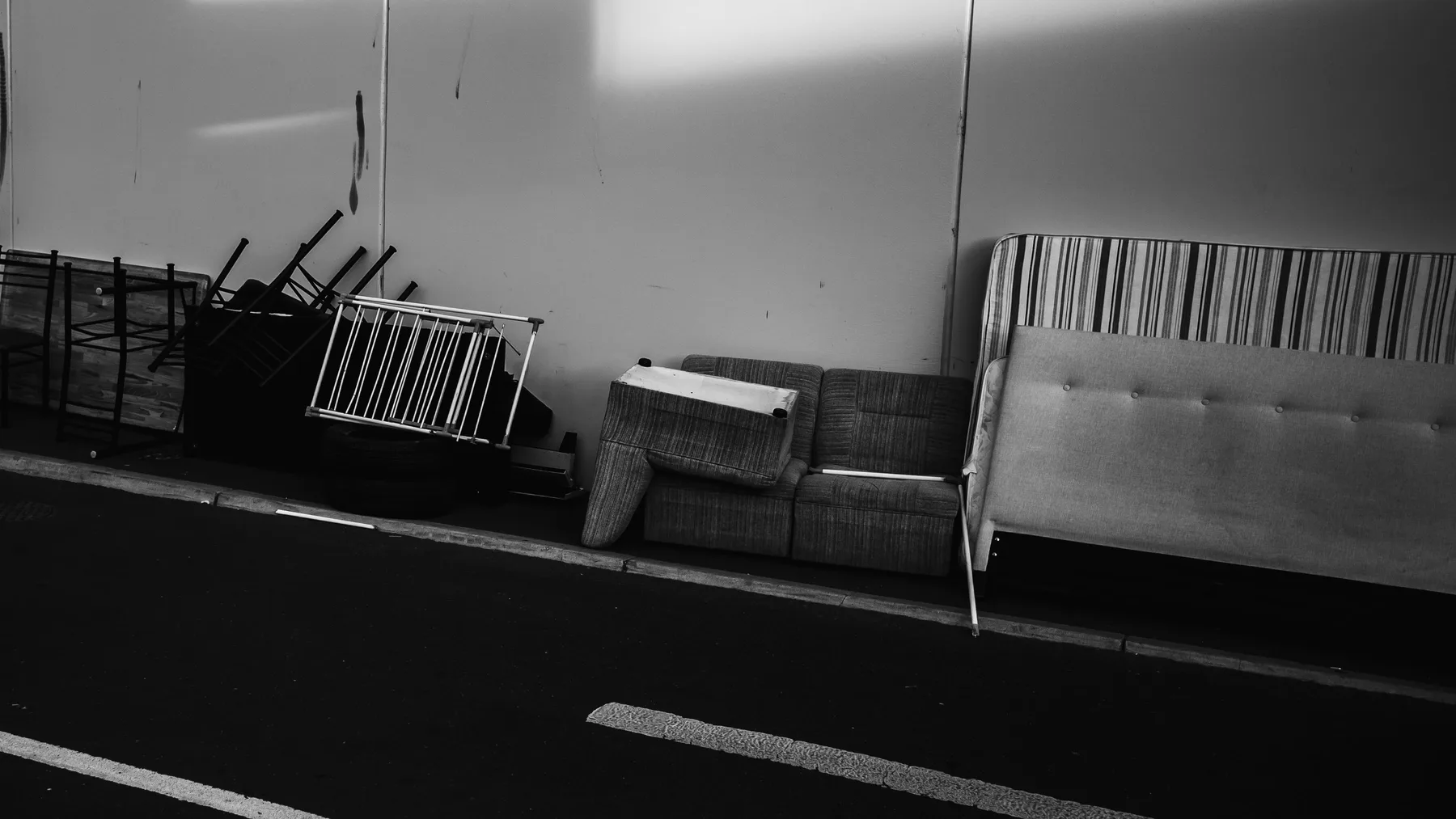
A bulky item is anything the normal household waste stream at your address cannot physically take, and that single test is what changes everything else about how it leaves. Once an item fails it, the bin is no longer an option, the chute is no longer an option, and the item needs a collection arranged specifically for it. What follows from that failure is a set of rules about where it may wait, who moves it, and when.
Quick answer
In Dubai, an item counts as bulky waste when it will not fit in the container or chute your household waste normally uses, which covers sofas, mattresses, wardrobes, appliances and large mirrors. Bulky items need a collection arranged in advance, they must stay on your own property until that collection arrives, and they must never be left standing in a corridor, stairwell, bin area or fire route. City-level waste policy sits with the municipal authority for Dubai, but the rules that will be enforced at your door come from your building or community management.
Which Layer of Rules Applies to a Bulky Item
Dubai's municipal authority is the city-level body for waste policy, and that layer sets what is permitted in the city at all. It does not decide whether your particular tower allows a wardrobe to stand next to the bins on a Thursday evening, and that is the question most households need answered.
The operative rules for a specific bulky item come from your building or community management, shaped by what the waste contractor serving that address will and will not collect. For the full picture of how those layers fit together and how to get your building's rules in writing, see our guide to Dubai waste disposal regulations for homeowners. This article covers the bulky-item half of that picture in detail.
If your question is whether any of this requires a permit, that is a separate matter with a short answer, and our guide to whether you need a permit to dispose of bulk waste in Dubai covers it. This article covers what the rules require once a collection is going ahead; that one covers which permissions exist at all and who has to obtain them.
Why the Normal Waste Stream Rejects a Bulky Item
Different items fail for different reasons, and knowing which reason applies tells you what the workaround is.
| What is going | Why the normal stream cannot take it | What that means in practice |
|---|---|---|
| Sofas, armchairs, mattresses | Exceeds the volume of the container and cannot be compacted safely | Needs its own collection, and needs two people to move it |
| Wardrobes, beds, large tables | Will not pass a chute opening or a bin lid assembled | The route out of the building has to be planned, not improvised |
| Fridges, washing machines, ovens | Weight and sealed contents rather than volume | Needs draining or defrosting first, and handled as appliance disposal |
| Large mirrors and glass panels | Breakage risk in a compacting vehicle | Must travel flat and protected, never loose in a bin area |
| A room's worth of boxes and bags | Individually small, collectively beyond one cycle's capacity | Counts as a bulk load even though no single item is bulky |
The last row is the one people misjudge. Bulk is not only about a single large object. Twenty boxes from a store room overwhelm a building's waste area exactly as effectively as a sofa does, and management treats the two the same way.
Where a Bulky Item May Wait, and Where It May Not
Placement is the rule that generates almost every bulky-waste dispute in Dubai buildings, so it is worth stating plainly. A bulky item may wait inside your own apartment, on your own balcony, in your own garage, or on your own villa driveway. It may not wait in a corridor, a stairwell, a lobby, a lift lobby, a bin room, a shared parking bay or anywhere on a fire route.
That distinction exists for reasons a building will not negotiate. A corridor is a means of escape, and a sofa standing in one is an obstruction whether or not anybody trips over it. Bin areas are sized for the building's daily volume, and a wardrobe parked beside them stops the regular collection working for everyone else on the floor.
Never put an item out before the collection is confirmed
Moving a sofa into a corridor or a bin area in advance, on the assumption that a collection will arrive, is how a routine disposal becomes a management complaint and, at a move-out, a deduction. Until the item has physically left the building it remains your responsibility, and a booked collection does not transfer that. Confirm the collection date and the arrival window first, then move the item, ideally with the crew already on site.
The Two Ways a Bulky Item Legitimately Leaves
| Collection through your building or community | Privately booked pickup | |
|---|---|---|
| How it is arranged | Requested through management or the building's waste contractor | Booked directly with a removal company for a chosen date |
| When it happens | On the contractor's own cycle, which may be weekly or less often | On the date you book, including same day |
| Where the item waits | Wherever management specifically instructs, and nowhere else | Inside your property until the crew arrives |
| Who carries it out | Usually nobody: the item has to be at the collection point already | The crew, from wherever the item currently stands |
| Suits | A single item, no deadline, a building that offers the service | A deadline, an upper floor, several items, or no building service |
Most Dubai households discover the difference at a move-out, when the deadline is fixed and the building's own cycle does not fall before it. That is the situation a booked bulk trash pickup exists for, and it is why the carrying is included rather than assumed.
For what a booked collection of this kind costs and what moves that figure up or down, our guide to bulk trash pickup cost in Dubai covers the pricing side. This article covers the rules side, so the two are worth reading together before a large clearance.
What a Bulky Collection Does Not Take
A standard bulky collection covers household and office furniture, appliances, electronics, mattresses, carpets and general household items. It does not cover:
- Tyres, which turn up in almost every garage clearance and need their own handler.
- Paint, chemicals, solvents and fuels, including part-used tins left by a previous occupant.
- Loose batteries, car batteries and any battery removed from a device.
- Construction and demolition debris, which falls outside this business entirely and needs a specialist carrier. Our guide to construction debris versus household junk sets out exactly where that line falls, including the fitted joinery and removed fixtures that sit on the construction side despite looking like furniture.
- Anything requiring licensed hazardous-material handling, which is not work we do or arrange. Our guide to hazardous household waste disposal in Dubai covers how to identify that group and hold it safely until the right route is arranged.
Walk the space before you book and set those items aside as their own group. Discovering a stack of paint tins behind a sofa while the crew is loading is what turns one visit into two.
Getting the Item Out of the Building
- Measure the item and the tightest point on the route. The constraint is almost never the corridor. It is the turn out of the bedroom door, or the lift door, or the landing on a stairwell.
- Book the service lift several days ahead. The slot is issued to you as the resident, not to a visiting crew, and it is shared with every other move in the building.
- Empty everything. Wardrobes, drawers, chest freezers and storage beds all travel empty, and a freezer needs switching off and draining in advance.
- Clear the route rather than the room. Rugs, shoe racks and door wedges on the path out cost more time than the item itself.
- Pick the time of day deliberately. Summer afternoons in Dubai make a stair carry considerably harder, and many buildings restrict contractor working hours anyway.
- Keep the item on your own property until the crew arrives. Everything above is wasted if the sofa spends the night in a lift lobby.
One detail that changes the whole job: a photograph. A picture of the item next to its doorway tells us more in a second than a description does in a paragraph, because it shows the item, the route and the constraint at the same time. Send one to our team on WhatsApp or through the contact page with your deadline, and the waste removal booking gets planned around the real access rather than around an estimate.
Frequently asked questions
Move it on the day of the collection, not before, and ideally while the crew is on site. The temptation is to get a wardrobe out into the corridor the night before so the visit is quicker, and that is precisely the window in which it becomes a building complaint. In a Dubai tower the corridor is managed space with cameras on it. If the item has to come out early because of a lift slot, put it inside your own doorway or on your own balcony rather than in shared space.
Not in shared space, and this is the rule most often broken. An item standing in a corridor, stairwell, lobby, bin area or parking bay overnight is obstructing managed space for the whole of that period, and the unit it came from is identifiable. Villa communities are stricter about this than people expect, because a sofa on a driveway edge is visible to every neighbour and to community patrols. Keep the item on your own property until the crew arrives.
Usually not, because a piece broken down by an untrained hand becomes loose panels, doors and fixings that take longer to move and mark more walls on the way out. Assembled furniture is what a crew handles every day. The one situation where it helps is a piece that physically will not pass a doorway, a stair turn or a lift opening in one piece, and that is a measurement question rather than a guess. Describe the item and the route out at booking and we will tell you which case yours is.
Yes, completely. A loaded wardrobe or a full chest freezer is a different weight and a different item from an empty one, and neither is safe to tip or carry with contents shifting inside. A freezer also needs to be switched off, defrosted and drained in advance, because meltwater runs out of it during the carry and across whatever floor it crosses. Emptying furniture the day before is the single preparation step that most reliably keeps a collection to one visit.
No. Tyres, paint, chemicals, fuels and loose batteries sit outside a standard bulky waste collection and outside a standard junk removal load, and they need a handler equipped for them. They turn up constantly in garage and store clearances in Dubai, so it is worth walking the space and setting them aside as their own group before booking. Flag them when you book so the rest of the load is quoted accurately and nothing is discovered on the day.
The collection either moves to another slot or becomes a stair carry, and which one depends on the item. A mattress can come down a stairwell; a three-seat sofa or a large wardrobe frequently cannot, because the constraint is the turn on the landing rather than the width of the stairs. Service lifts in Dubai towers are shared with every other move and delivery in the building, so book your slot several days ahead and tell us the reference when you confirm the collection.
It can, provided the item is on your own property, the access is genuinely clear and the collection has been confirmed in advance for a specific window. This works well for villa driveways and badly for anything that requires entering the property or crossing a shared area. Confirm the exact items in writing beforehand, because an unattended collection removes the chance to point at something and ask whether it is going too.
Related articles
Do You Need a Permit to Dispose of Bulk Waste in Dubai?
No permit is issued to a Dubai household for disposing of bulk waste. The permissions that do apply belong to your building and to whoever transports the load.

Dubai Waste Disposal Regulations Homeowners Should Know
The waste rules reaching a Dubai household come from four layers. Here is which layer answers which question, and how to get the answer for your own address.
Fines for Illegal Dumping in Dubai (and How to Avoid Them)
We do not publish a penalty figure for illegal dumping in Dubai. Here is what decides a household's exposure, who holds the real number, and how to avoid it.