Where Does Your Junk Go? Recycling in Dubai Explained
A collected load in Dubai splits three ways: reuse, recycling and licensed disposal. What decides the split is condition and separation, not the material alone.
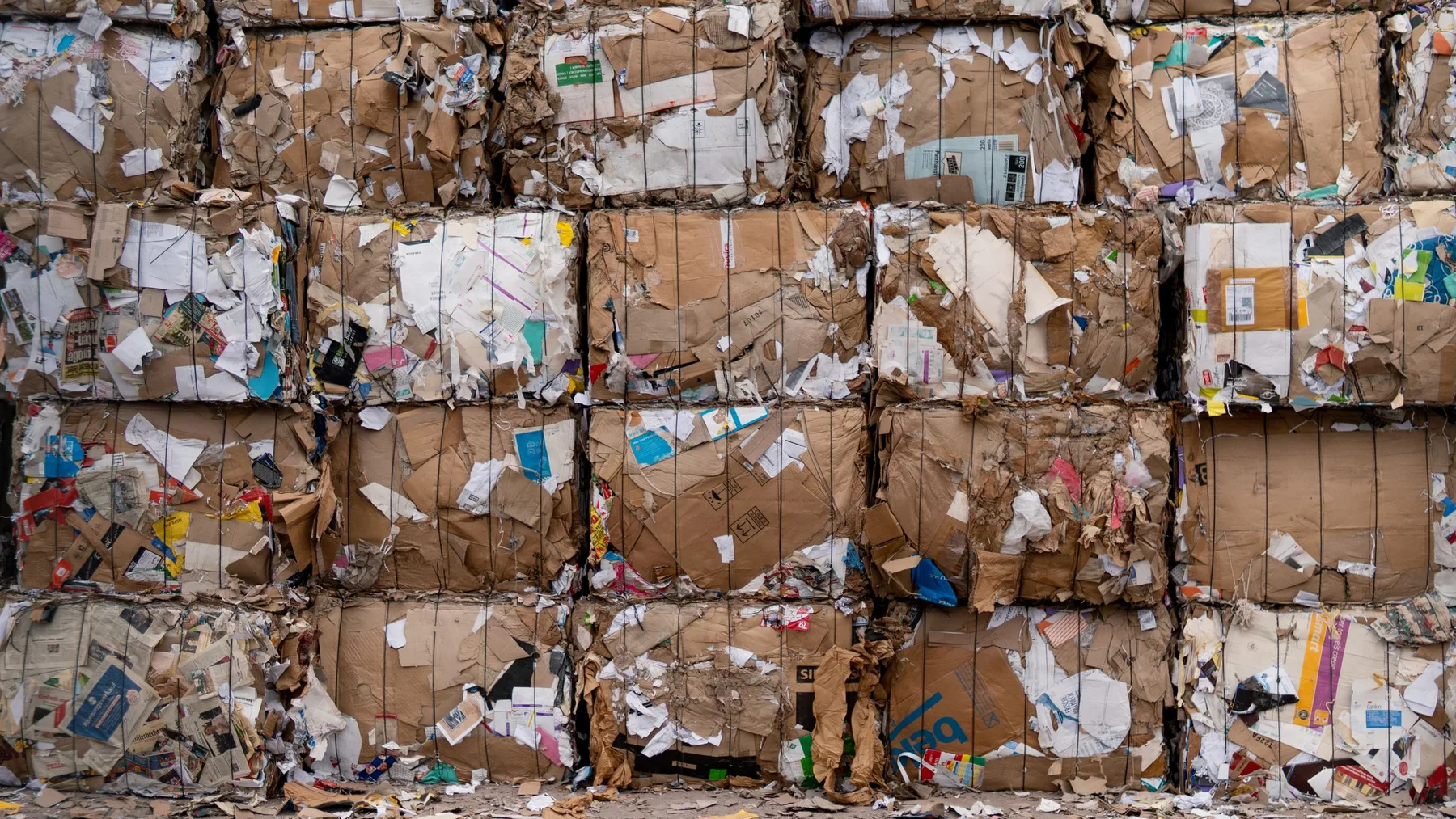
A junk load collected in Dubai does not go to one place. It splits three ways: items still usable are directed to donation, material that can be processed goes to authorised recycling, and the remainder goes to licensed disposal. A single villa collection commonly feeds all three routes at once, and what decides the split is the condition each item is in and how well separated the materials are, not the category the item belongs to.
Quick answer
Every collected load in Dubai divides between reuse, recycling and licensed disposal. Condition decides reuse, material purity decides recycling, and everything else follows. The two things a household controls are keeping obvious materials separated before the truck arrives and being honest about what is genuinely still usable. Junk Removals Dubai routes reusable items to donation, recyclable material to authorised processing and the rest to licensed disposal.
The Three Routes Out of a Truck
| Route | What qualifies | What decides it |
|---|---|---|
| Reuse and donation | Structurally sound, clean, complete, usable as it stands | Condition, and nothing else |
| Recycling | Material that can be separated into a clean single stream | Whether the material is pure or bonded to other materials |
| Licensed disposal | Contaminated, composite or degraded material with no recovery route | What is left after the first two |
Reading the table in order matters, because the routes are assessed in that sequence. An item is checked for reuse first, since keeping an object whole is a better outcome than reducing it to material. Only when reuse is ruled out does the question become what it is made of.
That order explains something that surprises people. A tired but working desk has a better outcome ahead of it than a pristine but broken one, because the first is an object and the second is only ever going to be material.
Sorting Happens Twice
The first sort happens on the ground while the load is being picked up, and it is the crude one: obvious separations, items set aside as reusable, materials kept apart on the truck where the load allows it. The second happens at the yard, where a load is broken down properly into streams.
The first sort is the one a household influences. By the time material reaches the second, decisions have already been narrowed by how it travelled. Cardboard that was dry and stacked stays recyclable; the same cardboard compacted under a wet mattress does not, because contamination travels through a load and cannot be undone later.
This is the practical reason separation is worth doing at the point of collection rather than treating it as somebody else's job downstream.
What Actually Decides Whether Something Is Recycled
Three properties, in this order.
Is it one material or several bonded together? This is the question that disqualifies the most household junk. Clean steel, solid timber, plain cardboard and single-polymer plastic all have straightforward routes. A laminated chipboard cabinet, a foam-backed carpet, a padded office chair and a composite worktop do not, because separating bonded materials costs more than the recovered material is worth.
Is it contaminated? Oil, paint, food residue and water all move material from recyclable to disposal. Water is the one people underestimate. It permanently destroys chipboard and MDF, ruins paper and card, and turns textiles into a disposal problem rather than a recovery one.
Is it separated? Material arriving already apart is assessed as itself. Material arriving mixed is assessed as a mixture, which is usually the lower answer.
| Material | Typical route when clean and separated |
|---|---|
| Steel, aluminium and other metals | Recycling, and the most reliably recoverable material in a household load |
| Solid timber | Recycling |
| Chipboard, MDF, laminated board | Disposal, because the board is glued and faced rather than pure |
| Cardboard and paper | Recycling when dry, disposal once wet or greasy |
| Rigid single-polymer plastic | Recycling |
| Mixed or composite plastics | Usually disposal |
| Textiles and soft furnishings | Reuse when clean and intact, otherwise usually disposal |
| Electronics | A separate route of their own, handled apart from general junk |
Furniture is the row that behaves least like a material and most like an object, because a sound piece is assessed for reuse long before anyone asks what it is built from. Our guide to how furniture gets recycled or donated in Dubai takes the timber, board, upholstery and metal rows above and covers them by construction type instead. This article routes a whole mixed load; that one follows a single piece of furniture.
Electronics are deliberately a single line in that table because they are a different subject rather than a footnote to this one. They are booked as a dedicated electronics disposal job rather than mixed into a household pickup, and our guide to disposing of electronics and e-waste in Dubai covers preparing them and why they are kept out of a general load. For what is recovered from a device once it has been collected, our guide to e-waste recycling in Dubai takes that single table row and covers it in full.
Dubai Heat Changes the Reuse Answer
The reuse route depends on condition, and condition in Dubai depends heavily on where an item has been stored. Anything kept in an unconditioned space, which in most villas means the garage, goes through summer after summer at temperatures indoor furniture never sees.
Foam breaks down, glued joints in flat-pack furniture loosen, cardboard sags, rubber and cabling go brittle, and stored electronics frequently will not power on when tested. The same sofa that would have been donatable from a living room is often no longer donatable from a garage after three years.
The practical conclusion is about timing rather than material. An item you know is going has its best outcome available now and a worse one every summer it waits. Our guide to clearing a garage of junk in Dubai covers working through that space, and heat-degraded contents are the main reason it is worth doing sooner.
What You Can Do Before the Truck Arrives
- Keep metal separate. It is the most reliably recyclable material in a household load and the easiest to set apart.
- Keep cardboard dry and flat. Wet card has no recovery route, and a rained-on or leaked-on stack is a disposal item.
- Do not bag mixtures. One material per bag, or no bag. A sealed bag of assorted contents is handled as general waste.
- Separate anything still usable before the load is built. Once an item is under other items in a truck it is being handled as material.
- Set chemicals, fuels, batteries and tyres aside entirely. These fall outside a standard junk removal load and need their own handler.
What we can and cannot tell you
We can state how a load is routed once it leaves your property: reusable items to donation, recyclable material to authorised processing, and the rest to licensed disposal. We cannot trace an individual household's material through a processing facility afterwards, because it is handled in bulk alongside material from many other sources, and no operator can honestly claim otherwise for a mixed load.
How long each of those routes lasts is a separate question from which route an item takes, and our guide to landfill versus recycling in Dubai covers it: metal and glass stay in circulation, while paper, board, plastic and textiles lose quality with each pass and reach licensed disposal eventually. This article decides where an item goes when it leaves your property; that one follows the material afterwards.
Judging a company's disposal claim before you book is a separate question from understanding the routing, and our guide to eco-friendly junk disposal in Dubai covers what the phrase should mean and which claims are worth questioning. This article explains how a load is routed; that one covers how to choose who routes it.
The most useful thing to take from all of this is that the decision is made earlier than most people assume. By the time a load reaches a yard, its routing has largely been set by the condition items were in and how well they were kept apart. Tell us what is in the load when you book a waste removal on WhatsApp or through the contact page, and separations that are worth making can be planned into the collection rather than attempted afterwards.
Frequently asked questions
A collected load splits three ways rather than going to one destination. Items still usable are directed to donation, materials that can be processed go to authorised recycling, and what is left goes to licensed disposal. The split is decided load by load, and a single household collection routinely contributes to all three. A sofa in good order, the steel frame of a broken bed and a water-damaged chipboard cabinet from the same villa follow three different routes out of the same truck.
Yes, and it is the part a household has the most control over. Separation is easiest at the point where you already know what something is. Once mixed material is compacted together in a truck, cardboard that was dry becomes contaminated by whatever was packed against it, and separating it afterwards costs more than the material recovers. Keeping obvious streams apart while items are still standing in the room is worth more to the outcome than anything that happens later.
Because most modern furniture is not one material. A flat-pack wardrobe is chipboard with a melamine or laminate surface, glue through the whole board, plastic edging, steel screws, cam fittings and often a hardboard back. Recycling wants clean single materials, and separating a laminated glued board back into usable fibre is rarely worth doing. Solid timber, by contrast, is a single material and has a straightforward route. The test is not whether something looks like wood but whether it is one substance or several bonded together.
It depends on what the damage did to the material rather than on how bad the item looks. A steel filing cabinet with a caved-in door is still clean steel and recovers as metal. A mattress with a torn cover is still separable into foam, textile and springs. Water damage is the exception that changes the answer, because water permanently destroys chipboard and MDF, and it contaminates textiles and paper. Cosmetic damage rarely changes the route; water damage usually does.
Bagging mixed items hurts it. A sealed bag of assorted material has to be opened and sorted by hand before anything in it can be assessed, and in practice a bag of unknown mixed contents is handled as general waste. Bags are useful for keeping one separated material together, such as textiles or clean paper, and they work against you when they hide a mixture. If you bag anything, bag one material per bag and leave it open or labelled.
They are directed to donation rather than processed as material, which is the best outcome available for any item and the one with the shortest route. The practical test is whether the item is structurally sound, clean, complete and usable exactly as it stands, without repair. Deciding this honestly matters, because an item that is offered for reuse and then rejected has taken a longer path to the same destination it would have reached directly.
Not item by item, and any company claiming otherwise for a mixed household load is overstating what is knowable. Once material enters an authorised processing facility it is handled in bulk with material from many sources, and no operator can trace one household's cardboard through that. What can be stated honestly is the routing decision: reusable items go to donation, recyclable material goes to authorised processing, and the remainder goes to licensed disposal. Focus on the part you control, which is what condition and separation the load leaves your property in.
Related articles

Landfill vs Recycling: Where Dubai's Junk Ends Up
Recycling delays landfill for most household materials rather than replacing it. What decides the gap is how many useful cycles a material has left in it.
Eco-Friendly Junk Disposal in Dubai: What It Means
Eco-friendly junk disposal names the order a load is routed in, not a badge a company holds. What the claim should mean in Dubai, and what to ask before booking.

Dubai Waste Disposal Regulations Homeowners Should Know
The waste rules reaching a Dubai household come from four layers. Here is which layer answers which question, and how to get the answer for your own address.