Appliance Recycling in Dubai: Fridges, ACs & White Goods
White goods are mostly steel, so a broken appliance is worth what a working one is as material. The split that decides handling is sealed-system against dry.
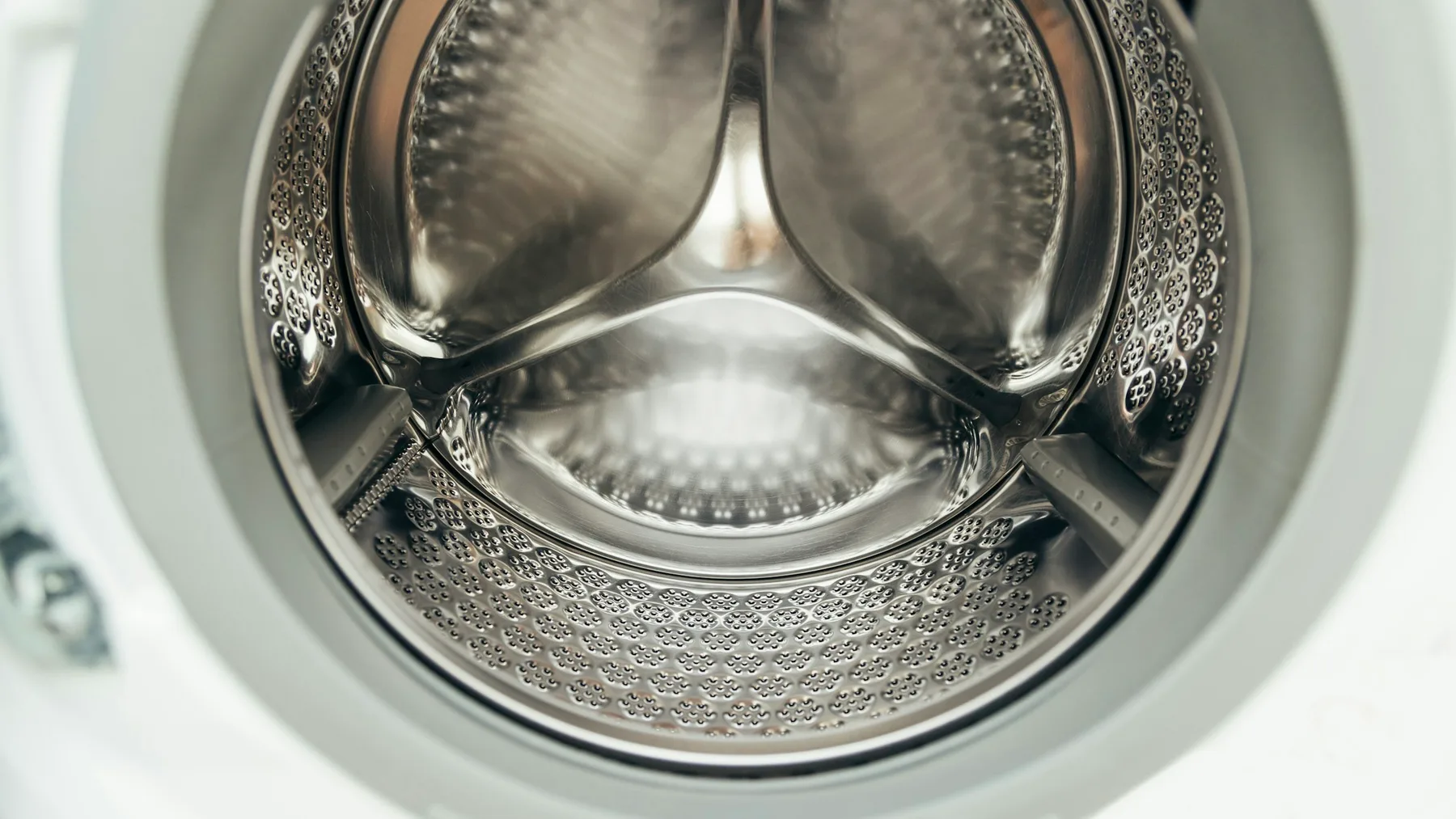
Appliance recycling in Dubai recovers metal above everything else. A fridge, a washing machine, an oven or a split air conditioner is a steel cabinet built around a motor, and steel and copper are the two most reliably recovered materials in any household load. That is why an appliance that has stopped working holds the same material value as an identical one that still runs, and why storing a dead unit in a garage returns nothing at all.
Quick answer
White goods collected in Dubai are separated into metals, plastics, glass, insulation and, in some units, a sealed refrigerant circuit. Steel is the bulk of the recovery. The split that decides handling is sealed-system appliances against dry ones: fridges, freezers and air conditioners carry a closed circuit that must stay intact until it reaches a handler equipped for it, while washing machines, dryers, ovens and dishwashers do not. Book both as appliance disposal rather than adding them to a mixed junk load.
What a White Good Is Made Of
| Material | Where it sits | Why it matters for recovery |
|---|---|---|
| Steel | Outer cabinet, washing machine drum, oven cavity, brackets and fixings | The bulk of the unit by weight and the most reliably recovered material in it |
| Copper | Motor windings, compressor, air conditioner pipework and wiring | Dense, valuable and the reason units get stripped informally, which damages the rest |
| Plastics | Liners, door trims, detergent drawers, fan housings, control fascias | Recoverable when a single polymer, far less so when painted, filled or bonded |
| Glass | Oven doors, fridge shelving, some hob surfaces | Its own stream, and it is destroyed by any impact the unit takes in transit |
| Insulation foam | Sprayed inside fridge and freezer cabinet walls | Not a general recycling stream, and one reason a fridge is not a plain metal item |
| Sealed refrigerant circuit | Fridges, freezers, air conditioners | Must stay closed and intact until it reaches a handler equipped for it |
Read the last two rows together and the reason for the whole handling split becomes clear. Four of these six materials behave the same in any appliance. The last two exist only in units that cool, and they are what separate a fridge from a washing machine operationally.
The Split That Decides Handling
| Sealed-system appliances | Dry appliances | |
|---|---|---|
| Which units | Fridges, freezers, wine coolers, split and window air conditioners | Washing machines, dryers, ovens, hobs, dishwashers |
| What is inside | A closed circuit of pipework, compressor and refrigerant | Motors, elements, pumps, drums and wiring only |
| Preparation at home | Switch off, defrost and drain fully, leave everything else untouched | Disconnect from supply, drain residual water from hoses and drums |
| How it must travel | Upright, never on its side, never with pipework cut | Upright is easier but not critical |
| What goes wrong most | Somebody cuts the pipework or removes the compressor for scrap | Somebody leaves water in the machine and it runs out across a floor |
Preparing each type properly is its own job, and each has a guide of its own rather than a paragraph here. For the full defrost and drain sequence on a fridge, see how to get rid of an old fridge in Dubai. For split units, wall brackets and the outdoor condenser, see how to get rid of old air conditioners in Dubai. For draining hoses and drums and why the machine is heavier than it looks, see how to dispose of a washing machine in Dubai. This article covers what happens to the unit afterwards and what governs how much of it is recovered.
Why Condition Barely Changes the Material Answer
An appliance is unusual in a household load: the thing that makes it valuable as material is the thing that never breaks. The steel cabinet of a washing machine that has failed is the same steel cabinet it was when the machine worked, and the drum inside it is the same stainless steel either way. Failure happens in bearings, pumps, boards and seals, which are small parts of a heavy object.
Reuse is where condition matters, and the window is shorter than it is for furniture. An appliance has to work fully and be complete to be worth passing on, because a partial appliance is not a usable one. A dining table missing a screw is still a dining table. A fridge missing a shelf and holding an inconsistent temperature is a repair job somebody has to want.
Dubai shortens that window further. Appliances stored in a garage or an outdoor store sit through summer after summer at temperatures they were not built to be idle in, seals perish, and units that were working when they were put away frequently will not start when they are finally tested. An appliance you already know is going has its best outcome available now.
Do not let a unit be stripped before collection
Old appliances attract informal collectors in Dubai, and the copper inside them is why. A unit that has had its compressor cut out or its pipework severed on a driveway has been opened in the least controlled way possible, and what is left behind is a damaged cabinet rather than a recoverable appliance. Two things go at once: the closed circuit is no longer closed, and the rest of the unit is harder to process than it was intact. Route appliances through a booked collection and hand them over whole.
Where Appliances End and Electronics Begin
The clean cases are easy. A fridge is an appliance, a television is electronics. The ambiguous middle is where Dubai households most often guess wrong, and it is worth naming: microwaves, kettles, toasters, air fryers, vacuum cleaners, coffee machines and food processors all go with electronics disposal rather than with white goods, because their construction is closer to a device than to a steel cabinet.
What is recovered from that group, and why a device is kept whole rather than broken open, is covered in our guide to e-waste recycling in Dubai. The only thing that matters at booking is naming both groups, so the two streams are kept apart on one visit instead of sorted out afterwards.
The Appliances Nobody Lists
A closing note that saves a second visit more often than any other. When a Dubai household books an appliance collection, freestanding units get listed and fixed ones get forgotten, because an integrated oven or dishwasher reads as part of the kitchen rather than as an item that is going. The same happens with a wall-mounted split air conditioner and with the second fridge in the garage that stopped being thought of as a fridge years ago.
Walk the kitchen, the utility area, the garage and the balcony before you book, and count units rather than remembering them. Send the list with photos on WhatsApp or through the contact page, and the collection is planned around every unit that is leaving, including whatever needs disconnecting before the day.
If a unit still works and you haven't decided whether it's worth trying to sell first, our comparison of selling against disposing of old appliances in Dubai covers that decision before recycling becomes the question at all.
Frequently asked questions
Age changes almost nothing about the material recovery and quite a lot about the reuse question. A fifteen-year-old fridge and a three-year-old one are both a steel cabinet, a compressor, copper, plastic liners, insulation and a sealed circuit, and both are separated the same way. What age changes is whether anyone will take the unit on as a working appliance, since an older unit costs more to run and has less life left in it. Book it as appliance disposal either way rather than leaving it standing in a Dubai garage.
Steel is the bulk of it, and the drum is the single largest clean piece of stainless steel in most households. Around it sit a motor with copper windings, a concrete or composite counterweight, plastic outer tub and detergent drawer, a rubber door seal, wiring and a control board. The steel and copper are the reliable recoveries. The counterweight, seal and mixed plastics are the parts most likely to reach disposal. This is why a machine that has stopped working is worth collecting rather than storing.
No, and nothing on the sealed circuit should be cut, opened or disconnected by anyone without the equipment for it. The pipework, the compressor and the gas inside them form a single closed system, and it has to reach a handler equipped for it in one piece rather than be opened on a villa driveway. Cutting the compressor free for scrap value is the version of this that does the most damage in practice, because it opens the circuit and wrecks the rest of the unit at the same time. Hand cooling appliances over whole.
They go out with the electronics stream rather than with white goods, and the reason is construction rather than size. A kettle or a vacuum cleaner is a moulded plastic body around a small motor or element with a control board, which is much closer to how a device is built than to a steel cabinet. Clearing a Dubai kitchen usually turns up six or seven of these at once in cupboards and on top of units. Gather them into one group before collection day so they leave as a stream instead of being loaded loose.
It has to work fully, be complete, and be clean enough for somebody to install as it is. A fridge that cools but has a broken shelf, a washing machine missing its detergent drawer or a unit with a failed door seal all fail that test, because each needs work before it is usable. Appliances also age out of reuse faster than furniture does. A working unit nobody wants at its current running cost is still recycled, and the material recovery is identical to a broken one's.
It has to be disconnected from its supply and released from the run of units it sits in, and that work belongs to whoever is qualified for it rather than to a removal crew. Once the unit is standing free it is handled exactly like a freestanding one and the material recovery is the same. The reason to plan this early is timing: an integrated unit still fixed into a Dubai kitchen on collection day is the single most common cause of a second visit, because nothing about it can be improvised on the spot.
Because the compressor oil moves when the cabinet is laid over, and oil that has travelled into the pipework leaves the sealed circuit in a worse state than it started in. The unit also carries badly on its side, which is how door hinges get twisted and liners get cracked on a stair carry. Keeping a fridge upright is standard handling on a Dubai collection rather than a special request, and it is one of the reasons a two-person lift is planned for it instead of a drag.
Related articles

Sustainable Decluttering: Reduce Junk Before It Piles Up
Most of what a Dubai household eventually clears was settled long before the clearance. Reducing that volume is a timing decision, not a sorting one.
Battery & Electronics Disposal Rules in Dubai
Whether a battery leaves with a device or needs its own route is decided by how it is attached, not by what it powers. Here is how to sort them before a clearance.

Landfill vs Recycling: Where Dubai's Junk Ends Up
Recycling delays landfill for most household materials rather than replacing it. What decides the gap is how many useful cycles a material has left in it.