Eco-Friendly Junk Disposal in Dubai: What It Means
Eco-friendly junk disposal names the order a load is routed in, not a badge a company holds. What the claim should mean in Dubai, and what to ask before booking.
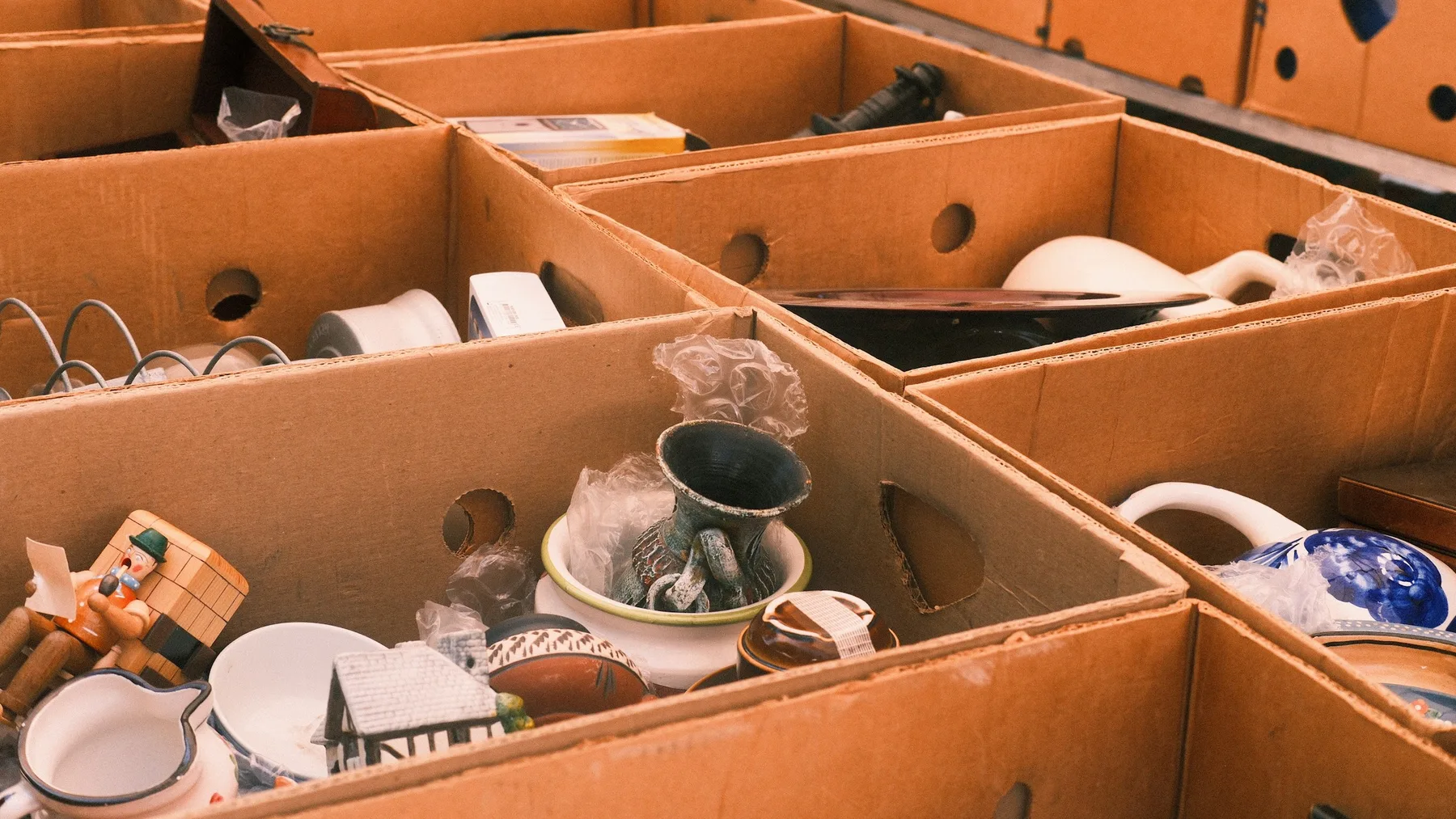
Eco-friendly junk disposal in Dubai describes the order a collected load is routed in. Anything still usable is assessed for reuse first, anything that can be processed as material goes to authorised recycling second, and only what is left after those two goes to licensed disposal. The phrase names a working sequence rather than a certificate anybody holds, which is why it appears on almost every junk removal website in the city and means something slightly different behind each one.
Quick answer
Eco-friendly junk disposal in Dubai means a load is assessed for reuse first, recycling second and licensed disposal last, and that items falling outside a standard load are separated rather than buried in it. No company can trace one household's material through a processing facility, so a per-item tracking claim is worth questioning. Junk Removals Dubai directs reusable items to donation, recyclable material to authorised processing and the rest to licensed disposal.
What the Phrase Is Describing
The sequence is the whole of it. Reuse comes ahead of recycling because keeping an object whole returns more than reducing it to material ever does, and recycling comes ahead of disposal because recovered material re-enters use while disposed material does not. A company operating that order on every load is doing the thing the phrase describes. A company that tips a mixed load and calls the result eco-friendly is not, and the words on the website look identical either way.
What decides where any single item lands is covered in full in our guide to where your junk goes after collection in Dubai, which walks through the three routes and the material properties that qualify an item for each. This article covers the part that guide does not: what the claim should mean when you are choosing who to book, and which parts of the outcome your own booking decisions control.
The Booking Decisions That Change the Outcome
Most of what determines how well a Dubai collection performs is settled before a truck arrives, and it is settled by the person booking rather than by the crew.
| Decision | Why it changes the outcome | What to do |
|---|---|---|
| How much notice you give | A rushed load is a mixed load, because speed and separation pull against each other | Book with a few days in hand wherever the deadline allows it |
| One visit or several | Repeat trips build partial loads that are harder to keep apart, and each is a separate vehicle movement | Plan one collection covering everything that is going |
| Whether out-of-scope items are flagged | Paint, chemicals, tyres and loose batteries need their own handler and derail a load when found mid-visit | Walk the space first and name them at booking |
| Whether the crew knows what is still usable | An item loaded under a wardrobe arrives as material regardless of the condition it started in | Point out reusable pieces before loading starts, not after |
| When in the day the visit happens | Summer heat in Dubai shortens how long a crew can work carefully on a stair carry | Take an early slot for anything involving a long carry |
The row people most often skip is the third. A stack of part-used paint tins behind a garage shelf is the most common reason a Dubai collection becomes two visits, and a second visit is worse on every measure that the phrase eco-friendly is meant to capture.
What to Ask Before You Book
The useful questions are about process, because process is the part a company can answer accurately. Outcomes downstream of a processing facility are not.
| Ask this | What a straight answer sounds like |
|---|---|
| What happens to items that are still usable? | A clear statement that they are directed to donation rather than processed as material |
| How is the load separated? | A description of what is kept apart on the vehicle, not a claim that everything is recycled |
| What do you not take? | A specific list. Paint, chemicals, fuels, tyres and loose batteries should be on it |
| What proportion of a load typically reaches disposal? | An honest "it depends on condition and contamination", not a number presented as fixed |
| Can you tell me where my specific items ended up? | A plain no, with the reason. Anything else is overstating what is knowable |
The last row is the one that separates a careful operator from a confident one. A company willing to say no to a question it cannot answer is more likely to be accurate about the questions it can.
Claims worth treating carefully
Three phrasings in particular tend to promise more than any junk removal operation in Dubai can deliver on a real household load. "Nothing goes to landfill" ignores that water-damaged board, contaminated textiles and composite plastics have no processing route. "Fully certified eco-friendly" points at a credential without naming it. "We track every item" is not possible once material enters a bulk stream alongside material from many other sources. None of these are automatically dishonest, but each one is worth a follow-up question before you book.
Where the Household's Own Share Sits
A collection is a shared job, and the split is worth stating because it is not obvious. The company controls routing, separation on the vehicle and which items are refused. The household controls condition, timing, and how much the crew knows before it starts.
Condition is the larger of those. A sofa in a conditioned living room and the same sofa after three Dubai summers in an unconditioned garage are two different items to anybody assessing reuse, and no disposal policy recovers what the heat has already taken out of the foam and the glue lines. Deciding early about the things you already know are going is the most effective environmental decision available to a household here, and it costs nothing.
That decision sits earlier than the booking, and our guide to sustainable decluttering in Dubai covers the part that happens before a collection is ever arranged: how much comes into a home and how quickly surplus is recognised. This article covers judging a disposal claim at the point of booking; that one covers reducing what reaches that point at all.
The Trade-Off Nobody Advertises
Sorting takes time, and time is what a quote is priced on. A crew keeping metal, timber and reusable pieces apart on the vehicle works more slowly than a crew filling a truck in the order things come to hand, and the second crew will always be able to quote lower for the same pile.
That is the honest tension behind the phrase. It does not mean the cheapest quote is careless or that the highest is careful, and our guide to whether cheap junk removal in Dubai is worth it covers what else moves a low headline price. It does mean that if a quote is far below everything else for the same load, "how will the load be separated" is a fair thing to ask before booking.
One detail worth planning for: the items with the best reuse prospects are almost never the ones a household thinks to mention. Working appliances, complete dining sets and intact storage furniture get pointed out. Curtains, rugs, unopened kitchenware and complete sets of tools get loaded silently. Send a photo of everything going, not only the large pieces, when you book a waste removal or general junk removal collection on WhatsApp or through the contact page, and the reusable half of the load gets identified before the truck is loaded rather than after.
Frequently asked questions
The disposal routing itself is not what moves a price. What can move it is the extra handling a sorted collection needs, because keeping materials apart on a truck uses more space and more time than tipping everything into one pile. The difference usually shows up as a slightly longer visit rather than a separate charge. If two quotes for the same Dubai property are far apart, ask each one how the load will be separated and you will often find the gap explained there rather than in the disposal itself.
Treat it as a marketing phrase rather than a measurable commitment, because no household load is made entirely of recoverable material. Contaminated textiles, water-damaged chipboard, foam-backed carpet and composite plastics have no processing route, and a company collecting real household junk in Dubai will send some proportion of every load to licensed disposal. A firm that says so plainly is describing the job accurately. A firm promising nothing at all reaches disposal is describing something that does not happen.
It can confirm how a load is routed and what is separated out of it, which is a real, checkable statement about its own process. Junk Removals Dubai directs reusable items to donation, recyclable material to authorised processing and the remainder to licensed disposal. What no operator can confirm is the fate of one household's individual items after they enter a bulk processing stream, because material from many sources is handled together at that point. Ask about process rather than outcomes and you will get answers that can be relied on.
Yes, and notice is the single most underrated factor. A collection booked with a few days in hand can be planned as one visit with items grouped before the crew arrives, which is what keeps reusable pieces intact and materials apart. A collection booked for the last afternoon before a Dubai handover is loaded at speed under a deadline, and speed is what mixes a load. Same-day removal exists precisely for the deadline case, but the environmental outcome of a rushed load is lower than the same items collected two days earlier.
One planned collection is usually the better outcome, because each additional visit is a separate vehicle movement for a smaller load and repeat trips make partial loads that are harder to keep separated. The exception is a property being cleared in genuine stages, such as a Dubai villa emptied room by room over a fortnight, where holding everything until the end means storing furniture in an unconditioned garage in the meantime. Furniture degrades in that heat, so the staged collection preserves more than the single one does.
It changes what the crew is told rather than what it does with a truck. A crew that knows in advance which pieces are still usable will load them so they arrive intact rather than under a wardrobe, and a crew that knows about paint tins or a car battery in a Dubai garage will set them aside instead of finding them mid-load. Neither of those is a special service. Both depend entirely on the information reaching the crew before the visit rather than during it.
It makes the whole difference, because a household load does not end up in one place. Reuse, recycling and licensed disposal are three destinations, and which items go to which is decided item by item while a load is being picked up in Dubai, not at a facility afterwards. The crew standing in your villa is what makes that decision. Two companies collecting an identical pile on the same morning can produce genuinely different splits, and the difference is in how the load was assessed and separated rather than in where the truck drove.
Related articles

Sustainable Decluttering: Reduce Junk Before It Piles Up
Most of what a Dubai household eventually clears was settled long before the clearance. Reducing that volume is a timing decision, not a sorting one.

Landfill vs Recycling: Where Dubai's Junk Ends Up
Recycling delays landfill for most household materials rather than replacing it. What decides the gap is how many useful cycles a material has left in it.

Dubai Waste Disposal Regulations Homeowners Should Know
The waste rules reaching a Dubai household come from four layers. Here is which layer answers which question, and how to get the answer for your own address.