What to Do With Furniture You Can't Move in Dubai
Furniture gets left behind in Dubai for five specific reasons, and each one points to a different route out. Here is how to decide before the move date.
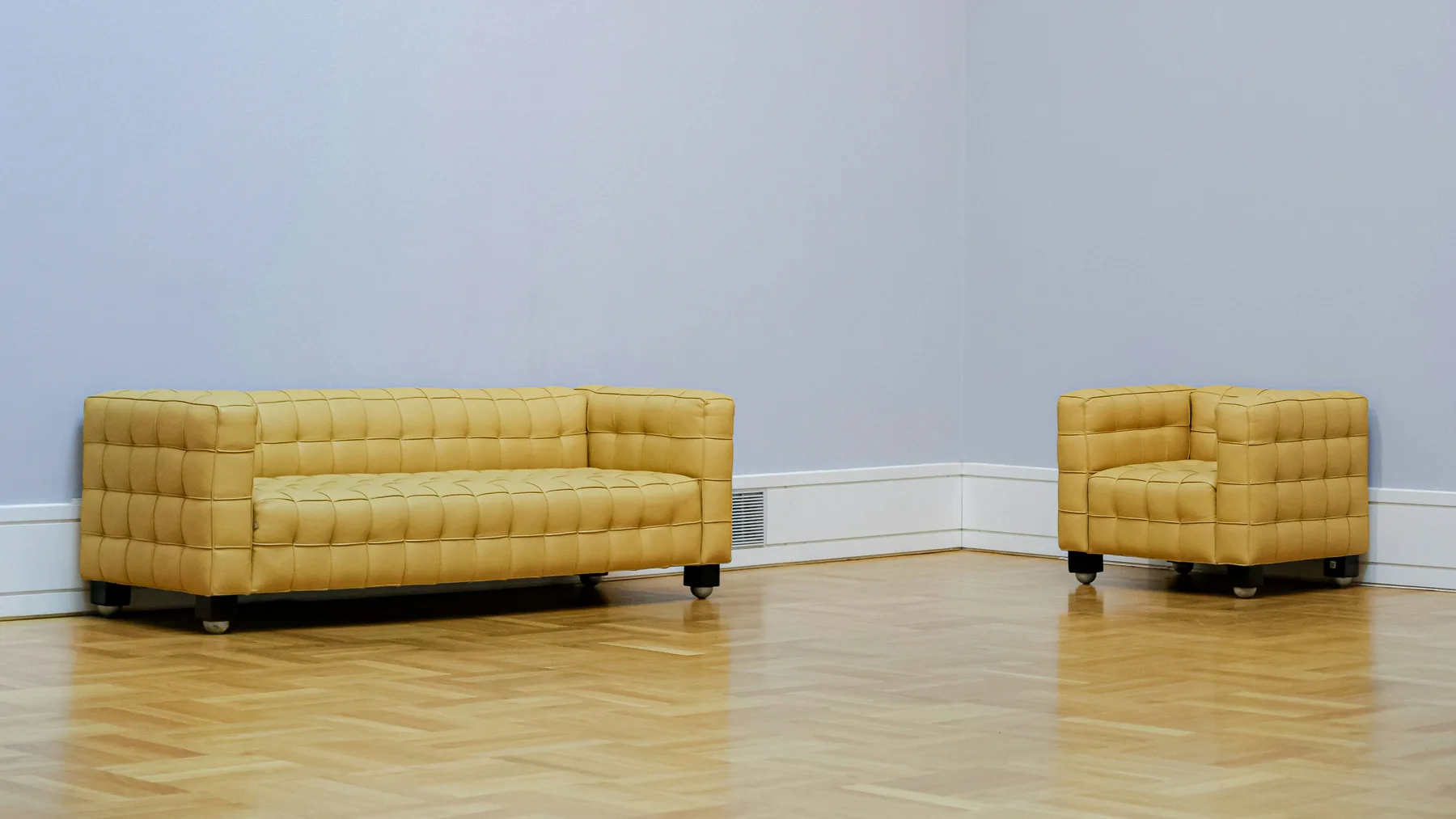
Furniture gets left behind in a Dubai move for five specific reasons, and the reason decides the route out. A sofa being abandoned because it will not fit the next apartment is a different problem from a sofa being abandoned because the shipping quote outran what the sofa is worth, and both are different from a wardrobe that physically cannot leave the bedroom it was built in.
Quick answer
Identify why each piece is being left before deciding what to do with it. Furniture in good condition that is being left for cost or space reasons should be passed on, and that needs about a week of notice to work. Furniture that will not fit through a door, has been assembled in place, or has already failed once should go with a furniture removal collection at the same time as the rest of the clearance. The decision that ruins a Dubai move is the one deferred to the final week, because by then only one route is still open.
Why the Piece Is Being Left Decides the Route
This is a decision guide for furniture you still want but cannot take with you. Where the question is what to do with furniture you no longer want at all, our guide to disposing of old furniture in Dubai covers the four standard routes and how to prepare a piece for each of them. The distinction matters because condition is the deciding factor there and is almost irrelevant here.
| Why it is being left | Typical pieces | Where it should go |
|---|---|---|
| It will not fit the next home | Sectional sofas, six-seat dining sets, king beds moving into a smaller apartment | Passed on while it still has weeks of notice; it is in good condition and somebody wants it |
| Shipping costs more than the piece is worth | Wardrobes, bookcases, chests of drawers, anything bulky and inexpensive | Passed on if there is time, collected as part of the clearance if there is not |
| The next home is furnished | Beds, wardrobes, sofas, dining tables | The whole large layer goes at once, which makes it a clearance rather than a series of pickups |
| It cannot physically leave the room | Wardrobes built in place, beds assembled upstairs, glass units carried in before a door was fitted | Dismantled in the room by the crew and removed as furniture removal |
| It has already failed | Sagging sofas, water-damaged board, broken recliner mechanisms, wobbling flat-pack | Straight to collection; there is no onward route for these and pretending otherwise costs the week |
The first three rows describe furniture that is still perfectly good, which is the part Dubai households get wrong most often. A piece being left behind for economic reasons has full value to somebody else and none of the urgency has anything to do with its condition.
The Question That Settles Each Piece
For every large item, ask whether the piece justifies the cost of its own exit. That single question resolves faster than a room-by-room debate, because it forces the two real numbers into the same sentence: what it costs to take the piece, and what it costs to replace it.
Shipping is priced on the volume a piece occupies rather than on its value, which is why bulky, inexpensive furniture is always the first thing cut from a Dubai container. A wardrobe takes up a substantial share of the space and contributes little to what is being shipped. A well-made dining table that would be expensive to replace can justify the same space easily.
Two factors modify the answer, and both are physical rather than financial. Flat-pack furniture assembled once in Dubai often does not survive being dismantled and rebuilt, because the board around cam locks and dowels tears when it is separated. Solid timber furniture with screws and brackets comes apart and goes back together far better. Where a piece will not survive the journey in usable condition, the shipping cost buys nothing at all.
Furniture That Cannot Leave the Room It Is In
Some pieces are not a decision. They are a constraint, and Dubai apartments produce them regularly.
- Wardrobes assembled in the bedroom. Built flat on the floor and stood up, and wider than the door frame in every direction that matters.
- Beds assembled upstairs in a villa. Particularly super king frames with a solid base, which do not turn on a staircase landing.
- Sectional sofas. Frequently carried in before a kitchen was fitted or through a doorway that has since been altered, and now larger than the exit.
- Glass display units and mirrored wardrobes. These come apart because carrying them whole is unsafe rather than because of the doorway width.
Each of these comes apart in the room before anything reaches the corridor, which is a dismantling job with a real duration attached to it. Say so at the point of booking rather than on the day. A crew that knows a wardrobe was assembled in place arrives with the right number of people and the right time allowance; one that finds out on arrival is the reason a collection runs into a second visit. Where more than one of these is coming out of the same property, the same applies to the order they are taken apart in and the volume they make once they are in panels - sequencing several wardrobes and sizing the load they make is what decides whether one lift slot is enough for the job.
A booked service lift has a fixed length
Dismantling happens inside the same slot as the loading. A service lift booked in a Dubai tower is released for a set window, it cannot be extended once the move behind you has started, and it is issued to you as the resident rather than to a visiting crew. Two large pieces that have to come apart in the bedroom can consume most of a short slot before anything moves. Tell us what is going and which pieces were built in place, and you will get a realistic duration to request from building management rather than a hopeful one.
What Leaving the UAE Changes
Leaving the country compresses every deadline in the process, because the property has to be empty and handed back before the flight rather than before a moving date somewhere else in the city.
That removes the safety margin most moves rely on. There is no spare room in a new apartment to hold an undecided sofa, no option to come back for the dining table at the weekend, and no realistic way to manage a private buyer who wants to view on the day after you leave. The whole large layer has to be resolved in one visit, which is why an end-of-lease exit is quoted as a house and villa clearance rather than as a set of individual pickups.
The other change is who holds the keys. Where the tenant flies before the handover, the clearance and the inspection are handled by somebody acting on their behalf, and that person needs to know which pieces are going and which belong to the property. Our move-out junk removal checklist for Dubai tenants sets out the full countdown that sits around this.
Comparing What Each Route Requires
| Route | What it needs from you | Realistic notice | When it is the right answer |
|---|---|---|---|
| Ship it | Volume-based quote, and a piece that survives dismantling | Weeks | Solid, valuable furniture that would be expensive to replace |
| Sell it | Honest photographs, the floor and lift stated up front, a buyer who can collect | Three to four weeks | Good condition, and you have time rather than a deadline |
| Pass it on | Clean, complete, structurally sound, collection arranged | About a week | Good condition, no time to sell, and it should not be scrapped |
| Store it | A known return date and a property to return to | Days | Genuinely temporary gaps only |
| Collection | Photographs, a booked lift slot, access for the vehicle | Days | Everything else, and anything still undecided in the final week |
Passing furniture on is the route that fails most often, and it fails for logistical reasons rather than generous ones. What decides whether an agreed handover survives contact with a Dubai tower is covered in our guide to donating used furniture in Dubai.
Booking the Collection
A clearance is quoted on volume, item type and access, so the three things worth sending are photographs of each large piece, the floor number with the service lift situation, and a note of anything that was assembled in the room it stands in.
Booking furniture removal at the same time as the rest of the property's contents keeps the whole job inside one lift slot and one visit, which is the arrangement that finishes on schedule. Where the sorting has not been done yet, our room-by-room decluttering guide for a Dubai move covers the order that gets the large pieces decided first. Send photographs on WhatsApp or through the contact page and the load can be sized before a vehicle is dispatched.
Decide the Large Pieces First
The furniture decisions should be made before a single box is packed, and they are usually made last.
There is a practical reason to invert that. Every other decision in the move depends on the answers: the shipping volume, the size of the clearance, the crew, the lift slot and the number of visits. A household that settles its wardrobes, beds and sofas in week one can plan everything else around firm figures. A household still deciding in the final week is not choosing between routes at all, because by then only the collection is still available, and a sofa somebody would have been glad to receive leaves the building as a load instead.
Frequently asked questions
The decision turns on volume rather than value, because international shipping is priced on the space a piece occupies and not on what it is worth. A wardrobe and a sofa fill a large share of a container while contributing little to what the container is carrying, which is why they are the first items cut from most Dubai shipments. Get the shipping quoted by volume, compare it against what replacing the piece would cost where you are going, and remember that flat-pack furniture assembled in Dubai frequently does not survive being dismantled and rebuilt a second time.
It can be listed, but a sale that depends on a buyer collecting from a specific floor within a specific week rarely completes. Buyers in Dubai arrive with a car and one pair of hands, and a sofa on the fourteenth floor needs a lift booking and two people, so the practical answer is that the final week is for giving away rather than selling. Anything you intend to sell needs listing three to four weeks out, with the floor, the lift situation and the collection deadline stated in the advertisement rather than discovered later.
It comes apart in the room, and whether it survives that depends on how it was built. Flat-pack panels joined with cam locks and dowels can usually be separated once, though the board around the fixings often tears and the piece rarely rebuilds to the same standard. Solid timber furniture with screws and brackets comes apart and goes back together far better. Either way this is a dismantling job that happens in the bedroom before anything reaches the corridor, so tell the crew at the time of booking that the piece was assembled in place.
Storage makes sense when the furniture is going back into use on a known date and does not make sense as a way of postponing the decision. Rent accumulates every month against a piece whose value does not, and furniture held indefinitely tends to be disposed of in the end anyway, at which point the storage was paid for nothing. Set the question up honestly: if you cannot name the property the piece is going into and roughly when, the decision being deferred is disposal.
The large pieces almost always have to go, because a furnished apartment in Dubai already contains the beds, wardrobes, sofas and dining furniture that make up the bulk of a household. What survives the move is the smaller and more personal layer: lamps, rugs, shelving, desk chairs, kitchen equipment and anything that fits a cupboard. Work out which layer you are keeping before booking anything, since it changes both the volume being moved and the volume being cleared, and those are the two figures every quote rests on.
That depends entirely on what the tenancy contract says and what was agreed in writing, so read the contract rather than relying on what is customary. Where a property was let furnished, the inventory taken at handover is what defines which pieces belong to the property and have to stay. Furniture you bought yourself remains yours and leaving it is a choice rather than an obligation. Settle any ambiguity with the landlord in writing well before the handover date, because a disagreement discovered on inspection day has no time left in which to be resolved.
Roughly a week before it has to be out of the property, and that deadline is set by the recipient rather than by the condition of the piece. A charity, a community group or a private recipient in Dubai needs time to see photographs, agree, arrange transport and get to your building during permitted hours, and frequently needs a second attempt after the first arrangement falls through. A sofa in excellent condition offered two days before a handover is a disposal in practice, whatever its condition suggests.
Related articles
Decluttering Before a Move in Dubai: Room-by-Room Guide
Decluttering before a Dubai move works best in order of decision difficulty rather than room size. This guide covers what each room asks of you, and in what order.
Decluttering a Small Apartment in Dubai
In a small Dubai apartment the limit is storage, not willpower. The question that decides every item is not whether you want it, but where it is going to live.

Preparing Your Villa for Handover: Clearance Tips
A villa handover in Dubai is failed outdoors more often than indoors. The garden, garage and roof terrace hold a second load that cannot travel with the furniture.