Preparing Your Villa for Handover: Clearance Tips
A villa handover in Dubai is failed outdoors more often than indoors. The garden, garage and roof terrace hold a second load that cannot travel with the furniture.
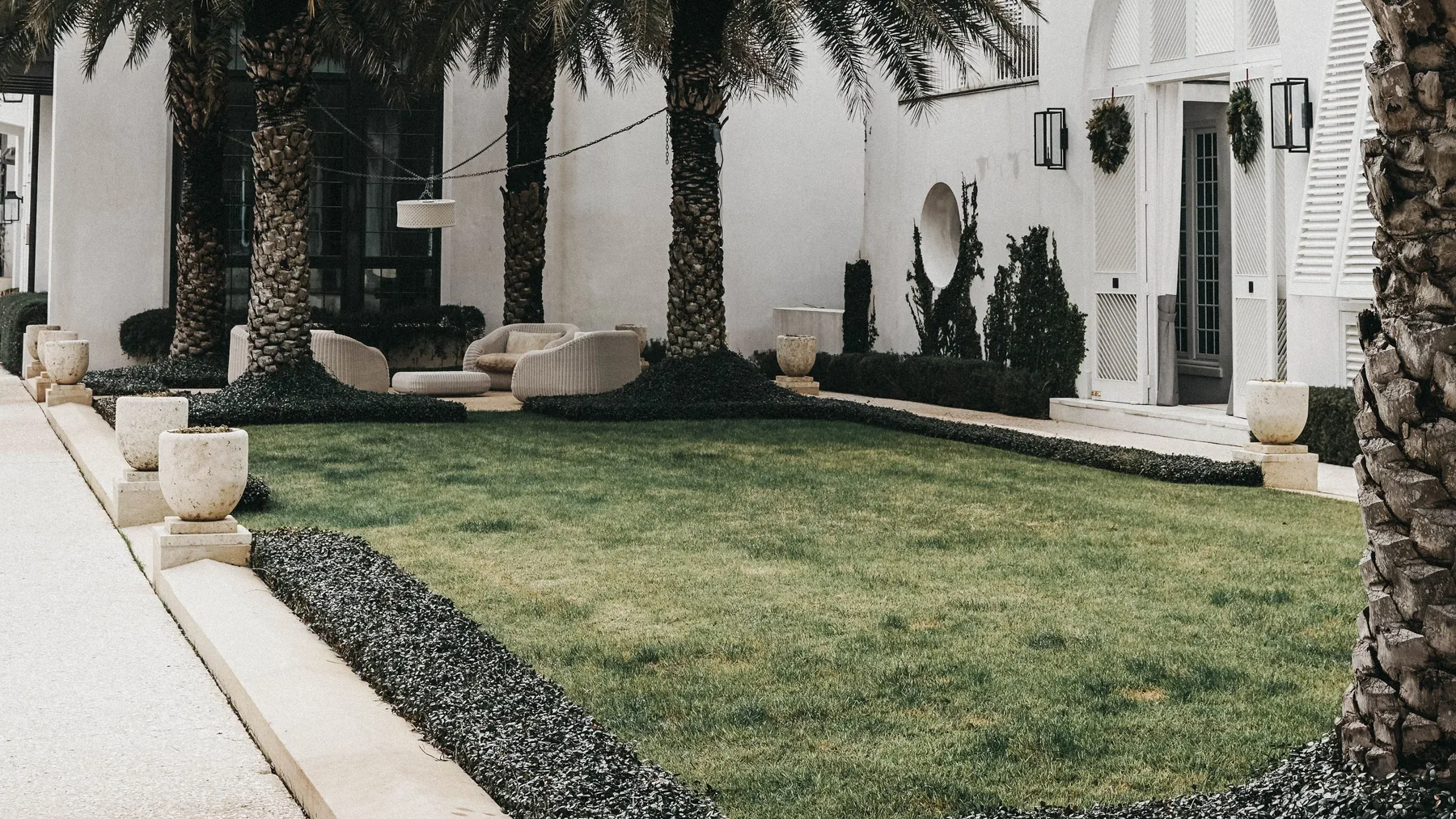
A villa handover in Dubai is failed outdoors more often than indoors. The furniture, the wardrobes and the kitchen contents are the part every tenant plans for, and they are rarely what holds up an inspection. What holds it up is the garden that was cut two days earlier and still sits in a heap by the gate, the garage nobody counted as a room, and the roof terrace that never appeared on anyone's list.
Quick answer
Walk the outside of the villa first and write down every space that is not a room: garden, driveway, side yard, garage, roof terrace, shed and pool equipment area. Clear those before the interior, not after it. Book the garden waste as its own collection rather than assuming it travels with the furniture, because green waste and household items are two different loads. Anything you fixed to the property, from decking to a pergola, is building work to remove and needs settling with the landlord well before handover week.
A Villa Handover Is Not an Apartment Handover With More Rooms
The difference between clearing a Dubai apartment and clearing a villa is not floor area. It is the number of spaces that hold things without ever being thought of as storage.
An apartment has a balcony and possibly a store room, and both are inside the front door. A villa adds a garden, a driveway, a side yard, a garage, frequently a roof terrace, sometimes a shed or a pool equipment area, and a boundary wall with a gate that things get stacked against. None of these are rooms, none of them get packed, and all of them are inspected.
The second difference matters more on the day. Everything in those outdoor spaces has been sitting in Dubai heat and occasional rain for the length of the tenancy, which changes both what it is worth and what can be done with it. A wardrobe kept indoors for three years is a straightforward furniture removal. A set of plastic garden chairs kept outdoors for the same three years is usually a disposal, whatever it looked like when it was bought.
The Outdoor Spaces an Inspection Actually Covers
| Space | What accumulates there | Which collection it belongs to |
|---|---|---|
| Garden and lawn | Cut fronds, hedge clippings, soil, filled planters, dead pot plants | Green waste |
| Driveway and gate | Bagged waste, boxes, items staged and forgotten, bicycles | Household load |
| Side yard | Water hoses, ladders, buckets, spare tiles, drying racks | Household load, and any building material separately |
| Garage | Shelving, tools, paint tins, tyres, sports equipment, stored boxes | Household load |
| Roof terrace | Outdoor furniture, sun-damaged rugs, satellite dish, storage boxes | Household load |
| Shed or deck box | Garden tools, hoses, cushions, barbecue and gas bottle | Household load |
| Pool equipment area | Cleaning poles, chemicals, covers, spare parts | Household load, with chemicals kept separate |
The chemicals in the last two rows are worth pulling out as you go rather than at the end. Pool chemicals, pesticide, weed killer and part-used paint from a garage shelf do not travel with a standard household load, and they are small enough to stay hidden until the final morning, which is the point at which there is no time left to handle them separately.
Green Waste and Furniture Are Two Different Loads
A garden cut in preparation for handover produces a volume that almost nobody estimates correctly, and it will not go into the same collection as the villa's contents.
The reason is physical rather than procedural. Palm fronds, hedge trimmings, grass and soil are wet, heavy for the space they take, and cannot be stacked into a shape. A pile that looks modest against a villa wall fills a load quickly once furniture is already in the vehicle, and it goes to a green waste route rather than the reuse and recycling routes a household load is sorted into.
This is why a villa handover often needs a garden waste removal collection alongside the main clearance rather than instead of it. Book the garden cut and the garden collection close together. Green waste left standing in Dubai heat for a week is heavier, harder to handle and considerably less pleasant than green waste collected the day it was cut.
Cut the garden after you book, not before
The most common outdoor mistake at a Dubai villa handover is having the garden cut early to make the property presentable, then discovering the heap is still there on inspection day because no collection was ever arranged for it. A cut garden is not a finished job. It is a new load standing in the property, and it is more visible to an inspector than anything indoors.
What You Added Outdoors Has to Be Settled Separately
Outdoor spaces are where tenants make additions, and additions are a different question from possessions.
Loose items are straightforward. Artificial grass laid over existing paving, decorative gravel, freestanding planters, a deck box, a shed that was never bolted down and children's play equipment all lift out and go with a bulky collection.
Fixed items are not. Decking screwed into a base, a pergola set into the ground, paving bedded onto screed, an outdoor kitchen or a fixed barbecue built against a wall are alterations to the property. Removing them is building work, it produces construction material rather than household junk, and it leaves ground that needs making good. That is outside what a junk removal crew does, and our guide to construction debris versus household junk sets out exactly where the line falls and why. Settle anything in this category with the landlord early in the notice period rather than in handover week, because it is the one part of a villa handover that cannot be arranged at short notice.
Clear Outdoors First, Then Work Inwards
Most villa move-outs clear the interior first and treat the garden as a finishing touch. Reversing that order solves several problems at once.
Outdoor material has the fewest remaining options if it surfaces late. It cannot be bagged and stacked in a hallway overnight, it degrades while it waits, and nothing outdoors can be dealt with quietly at midnight the way a wardrobe can. Clearing it first also empties the driveway, side yard and garage, which are the only real working space a villa has on the day the furniture comes out.
For the room-by-room sequence inside the villa once the outside is handled, our guide to clearing a villa before moving in Dubai covers the interior order and the indoor spaces that get forgotten. The standard the landlord will actually measure the property against is a separate question again, and it is set out in our guide to what landlords expect at an end-of-tenancy clearance.
Booking the Clearance Against an Inspection Date
Once the outdoor list is written, the whole villa can be quoted as one job rather than as a series of surprises.
A full property being emptied is a house and villa clearance, sized on volume and access, with the garden counted as its own load alongside it. Tell the crew at booking what is outdoors, not only what is in the rooms: the garage contents, the roof terrace, whether the garden has been cut, and whether a vehicle can reach the gate or has to work from the street. Access is what decides how long a villa takes, and villa access is decided at the community entrance rather than at the front door.
Send photographs of the garden heap and the garage on WhatsApp and both loads can be sized before anything is carried out to the driveway.
Photograph the Outside, Not Only the Rooms
Most tenants photograph every empty room after a clearance and stop at the front door.
Photograph the garden, the driveway, the side yard, the garage interior and the roof terrace as well, on the same day and before the keys are handed over. Outdoor areas are the parts of a Dubai villa most likely to collect something after you have finished with them, whether that is a neighbour's delivery, wind-blown waste against the gate, or fronds from a tree that was cut the following week. A dated photograph of an empty side yard costs nothing at the time and settles the question later.
Frequently asked questions
Green waste and household items are handled as two different loads because they behave differently in a vehicle and have different onward routes. Palm fronds, hedge clippings, soil and pot plants are wet, heavy for their size and impossible to stack, so they take up far more of a load than their volume suggests once furniture is already in the vehicle. They also go to a green waste route rather than to the reuse and recycling routes that sofas, appliances and boxes are sorted into. Naming the garden separately when booking a Dubai villa clearance is what keeps the whole handover to one visit instead of two.
Clear the garden and outdoor areas first, which is the opposite of what most villa move-outs do. Outdoor material is the part with the fewest options left if it is discovered late: it cannot be bagged and left in a hallway, it degrades in the sun and rain while it waits, and a garden that has just been cut produces a volume nobody measured when the move was planned. Clearing outdoors first also means the driveway, side yard and garage are empty and usable as working space on the day the furniture comes out of the villa.
That depends on what the tenancy contract says about alterations to the property, so read the contract rather than assuming either way. Where planting does have to be removed, the practical point is that it produces a genuine load: mature shrubs, filled planters and bagged soil are heavy, and a garden built up over a few years rarely fits in the gap left at the end of a move. Decide this at the start of the notice period rather than in the final week, because a garden is the one part of a Dubai villa that cannot be cleared in an afternoon.
Check the tenancy contract and what was agreed with the landlord when it was laid, since this is a property alteration rather than a possession. If it does have to come up, expect two separate jobs rather than one. Loose artificial grass and decorative gravel lift out as a bulky load that a junk removal crew in Dubai can take. Anything bedded onto a concrete or screed base, or a pergola, decking or paving that was fixed down, is building work to remove and falls outside what a removal crew does.
Usually not, and this is the category where Dubai differs most from a cooler climate. Plastic garden chairs, drying racks, storage boxes and pot plants that have spent two summers outside look serviceable in shade and show their real condition in daylight: brittle plastic, bleached colour, rusted fixings and cracked seams. Test each piece by lifting and flexing it rather than by looking at it. Anything structurally sound and clean is worth offering to somebody first, and the rest should go straight into the outdoor collection.
The items that were never carried into the villa in the first place, so nobody thinks of them as belongings. The usual list is the contents of the garage and its shelving, the side yard behind the kitchen, the roof terrace, a garden shed or deck box, the pool equipment area, water hoses and reels, a satellite dish, a barbecue and gas bottle, and children's outdoor play equipment. Walking the boundary of a Dubai villa once with a written list, before anything is booked, catches all of them at the point where there is still time to act.
Related articles
Apartment Cleanout Guide for Dubai Renters
An apartment cleanout in Dubai is decided by the building before the apartment. Access, lift slots and loading rules set both the schedule and the price.
End-of-Tenancy Clearance in Dubai: What Landlords Expect
A Dubai landlord measures the end-of-tenancy clearance against the check-in inventory, not against how tidy the rooms look. Here is what that changes for a tenant.
Move-Out Junk Removal Checklist for Dubai Tenants
A move-out clearance in Dubai runs backwards from the handover date, not forwards from packing day. Here is what has to be gone, in what order, and when to book it.