Where to Donate Used Furniture in Dubai
A usable piece has four possible destinations in Dubai, and which one is open to you is decided by lead time and by who carries the item down, not by goodwill.
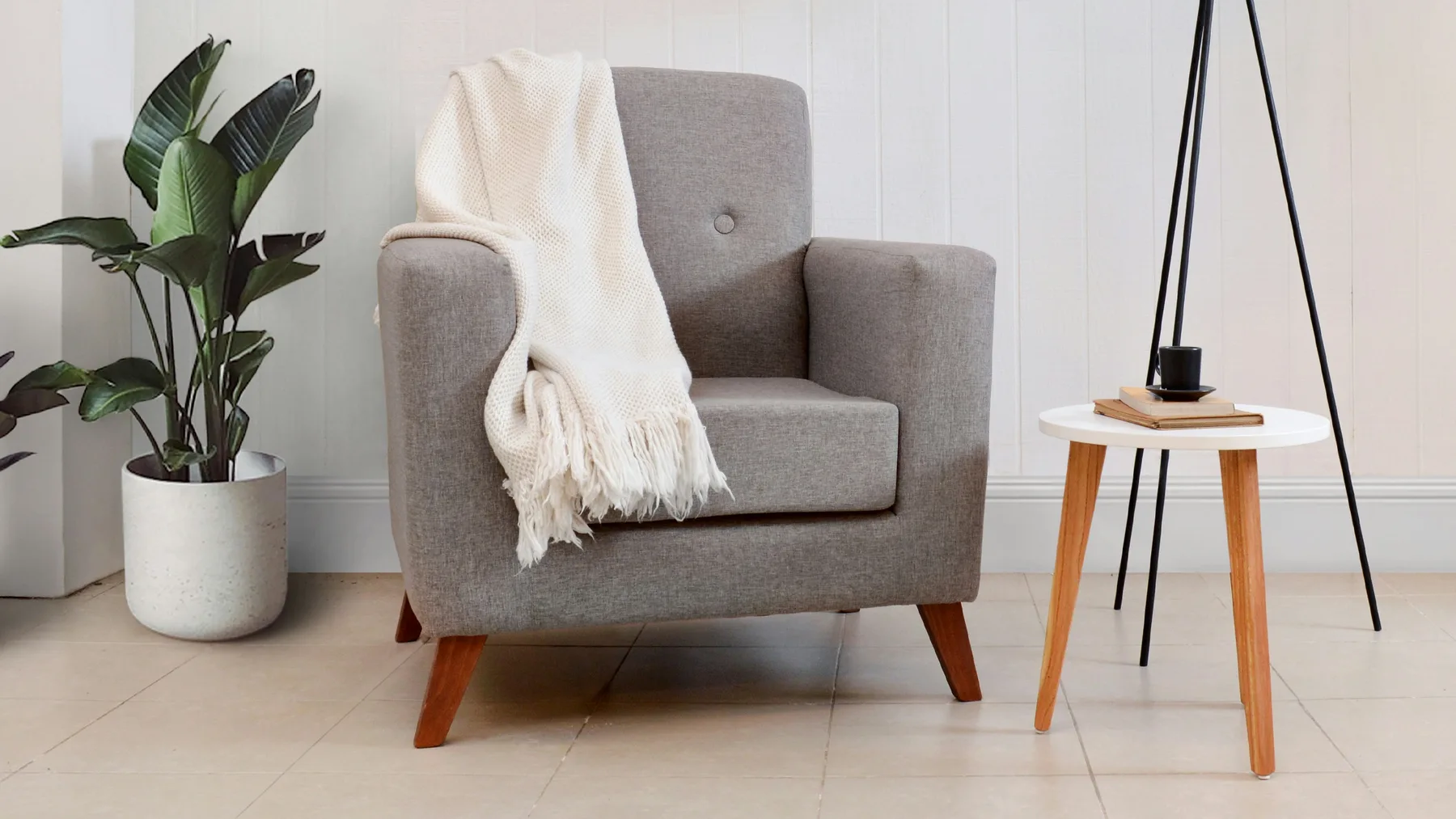
Usable furniture leaving a Dubai home has four realistic destinations: a charity or community collection, a direct handover to somebody who will use it, the incoming tenant or new owner of the property, or a removal crew instructed to route it toward donation. Which of those is open to you is rarely decided by how good the piece is. It is decided by how many days you have left and by who is going to carry it down.
Quick answer
To donate used furniture in Dubai, start at least a week before the piece has to be gone, photograph it honestly including the doorway it must pass through, and say up front which floor it is on and whether a service lift is available. Charity and community routes accept clean, complete, structurally sound items and decline mattresses and close-contact soft furnishings on hygiene grounds. If nothing is arranged in time, tell your collection crew which pieces are still usable so they are loaded to arrive intact rather than crushed under a wardrobe.
The Four Routes, and What Each One Requires of You
| Route | Suits | What you have to do | Where it usually fails |
|---|---|---|---|
| Charity or community collection | Complete, clean sets and larger single pieces | Offer it with photos and measurements, then hold the piece until a slot is agreed | Lead time. Collection days are scheduled, not on demand |
| Direct handover to a person | Anything somebody has seen and wants | Arrange access, timing and a vehicle between the two of you | Transport. Most private recipients arrive with a car, not a van |
| Leaving it for the incoming occupant | Fitted, heavy or awkward pieces already in place | Get written agreement from the landlord or agent before handover day | Assumption. An unagreed piece left behind becomes the outgoing tenant's problem |
| Routing it through your removal crew | Anything usable when time has run out | Say which pieces are still good and keep them separate on collection day | Silence. A crew that is not told loads by size, not by condition |
The fourth row is the safety net rather than the first choice, and it is worth understanding what it does and does not do. Reusable items are directed toward donation as part of how we handle a load, which is a different thing from delivering a nominated piece to a nominated address. It protects a good armchair from being treated as material. It does not put that armchair in a particular building on a particular day.
Timing Is the Constraint, Not Generosity
Dubai runs on fixed dates. A tenancy ends, a handover inspection is booked, a flight is confirmed, and the furniture question gets attention somewhere in the last fortnight. That ordering is what closes the donation routes, because the two that produce the best outcomes both need scheduling on somebody else's calendar.
Work backwards instead. A recipient needs to see the piece, agree to it, and then arrange a vehicle and a second pair of hands. Even when every step goes smoothly, that is several days, and it competes with your own packing week for attention.
The practical rule is to make the decision at the point you know the piece is not coming with you, which is usually weeks before the move rather than days. Nothing about the furniture changes in the meantime. Everything about your options does.
Run the donation attempt and the collection booking in parallel
The most common way good furniture in Dubai ends up as general junk is a donation that was agreed and then fell through two days before handover, with no time left to arrange anything else. Book the furniture removal you would need anyway, keep the donation running alongside it, and reduce or cancel the collection if the piece finds a home first. A cancelled collection costs you a phone call. A missed handover deadline costs considerably more.
Who Carries It Down Decides Who Says Yes
A piece of furniture is two separate offers at once: the item itself, and the work of getting it out of your property. The second is invisible in a photograph and it is what most declined offers turn on.
An armchair in a ground-floor villa majlis and the same armchair on the first floor of a townhouse with a turning staircase are not the same donation. Neither is a wardrobe in a Dubai Marina tower where the service lift has to be booked with building management and released within a window, against one in a low-rise where it can go down the stairs at any hour.
State the access facts at the moment you make the offer:
- Which floor the piece is on, and whether there is a lift that takes furniture.
- Whether a service lift needs booking, which applies in most Dubai towers and is a real scheduling constraint rather than a formality.
- The narrowest point on the route out, which is usually an apartment entrance door or a stair turn rather than the room door.
- Whether the piece comes apart, and whether you are willing for it to be taken apart, since dismantling a wardrobe changes what the recipient is accepting.
- When access is possible, including whether somebody has to be present and whether parking near the entrance is limited.
Recipients who know all five before they commit tend to turn up. Recipients who discover any of them on the day tend to leave the item behind, and then it is your problem with less time on the clock than you had before.
What Makes an Agreed Donation Collapse on the Day
Five failures account for nearly all of them, and each has a fix that costs nothing:
- The piece is bigger than the photo suggested. Give dimensions in centimetres, not descriptions.
- The damage was not mentioned. Photograph it deliberately. Somebody who accepts a marked piece knowingly still accepts it.
- Nobody measured the doorway. A three-seat sofa that will not leave the flat is a wasted trip for both sides.
- The glass was not mentioned. A glass-topped table needs flat, protected transport and a recipient who knows to bring blankets.
- The piece was in a garage or outdoor store. Furniture kept in unconditioned Dubai storage carries a smell and a surface condition that photographs do not show. Say where it has been stored.
When Donation Is Not the Right Answer
Some pieces should not be offered at all, and offering them anyway wastes a week you do not have. Anything with a wobbling frame, water damage, evidence of pests, a swollen chipboard carcass or missing structural fixings has already left the reuse category, whatever it looked like when new.
That is not the end of the piece's usefulness. Furniture that cannot be reused is assessed on what it was built from instead, and our guide to how furniture gets recycled or donated in Dubai covers that assessment and which constructions recover well. This article covers the household side of the same decision: where a piece goes while it is still an object. For the full range of options open to you before a crew is involved at all, including selling and arranging a collection, see our guide to disposing of old furniture in Dubai.
The Piece Worth Deciding About First
If you are clearing a whole property rather than moving one item, start with the largest usable piece rather than the easiest. In most house and villa clearance jobs there is one dining set, one bedroom set or one sofa that represents most of the reuse value in the building, and it is also the piece with the longest lead time and the hardest carry. Decide that one first and let the small items follow it, because a dining table settled two weeks out leaves room to be flexible about everything else. Send photos and the room it is in on WhatsApp or through the contact page and we will tell you what a collection would involve alongside whatever you arrange yourself.
This article covers where furniture goes once it has already been judged donatable. For the decision itself, across every item category in a move rather than furniture alone, see our guide to what to keep, donate or junk when moving in Dubai. If you're still weighing whether a specific piece is worth attempting to donate at all, our comparison of donating against junking furniture in Dubai covers that decision directly, including how much lead time a donation realistically needs.
Frequently asked questions
Plan on at least a week, and treat anything shorter as unlikely rather than merely tight. A recipient has to see the piece, agree to take it, and then find a vehicle and two people on a day that suits both sides. Each of those steps is short on its own and they rarely happen on the same afternoon. The people who succeed at donating in Dubai are almost always the ones who started while the furniture was still in use, not the ones who started after the packing had begun.
In practice, yes, unless the person taking it has said otherwise in advance. Most private recipients in Dubai arrive with a car or a small van and one pair of hands, which is enough for a chair and nowhere near enough for a wardrobe on a villa's first floor. Say which floor the piece is on and whether there is a service lift at the moment you offer it. A recipient who knows about the stairs before agreeing will usually still come, and one who finds out on the day usually leaves without the item.
Photograph the whole piece from the front, any damage in close-up, and the doorway or stairwell it has to pass through. The first two decide whether somebody wants it and the third decides whether they can take it. Add a tape measure in the frame for anything large, because a sofa described as three-seat covers a range of about forty centimetres and that range is exactly what determines whether it clears a Dubai apartment door. Honest damage photos lose you a few responses and save you every wasted collection visit.
Yes, and it changes the outcome more than most people expect. A piece is assessed on how it looks in the moment somebody first sees it, and dust from a storage room reads as neglect even on furniture that is structurally perfect. Vacuum upholstery, wipe down hard surfaces, and open a wardrobe or a chest of drawers to air before it is photographed. This is twenty minutes of work standing between a piece being accepted and the same piece being collected as general junk.
Rarely, and it is worth knowing that before you build a plan around it. Mattresses and other soft, close-contact items are the category recipients decline most often on hygiene grounds, whatever their visible condition, and a mattress that has spent a Dubai summer in an unconditioned store room is declined more often still. Sofas and armchairs sit in the same category but are accepted more readily when the fabric is clean and dry. Assume a mattress is a disposal item and treat any acceptance as a bonus.
It becomes a disposal item on the same timetable you already had, which is the reason to run both plans at once rather than in sequence. A piece refused three days before a Dubai handover date leaves no room to arrange anything else, and that is when good furniture ends up beside a bin. Book the collection you would need anyway, keep the donation attempt running alongside it, and cancel or reduce the collection if the piece finds a home first.
No, and it is a different service from the one this business runs. Junk Removals Dubai collects furniture and directs items that are still usable toward donation as part of how a load is handled, rather than making scheduled deliveries to an address a customer nominates. If a specific recipient matters to you, arrange that handover directly and separately. Tell the crew at booking which pieces are already spoken for so they are not loaded by mistake.
Related articles
How Furniture Gets Recycled or Donated in Dubai
A piece of furniture's route is decided by two things: whether somebody can still use it as it stands, and how it was built. Construction type explains the rest.

Sustainable Decluttering: Reduce Junk Before It Piles Up
Most of what a Dubai household eventually clears was settled long before the clearance. Reducing that volume is a timing decision, not a sorting one.
Battery & Electronics Disposal Rules in Dubai
Whether a battery leaves with a device or needs its own route is decided by how it is attached, not by what it powers. Here is how to sort them before a clearance.