Green Waste Composting & Disposal in Dubai
Green waste is the one household stream that can become something useful again, and a single bag of the wrong material is usually what stops it from happening.
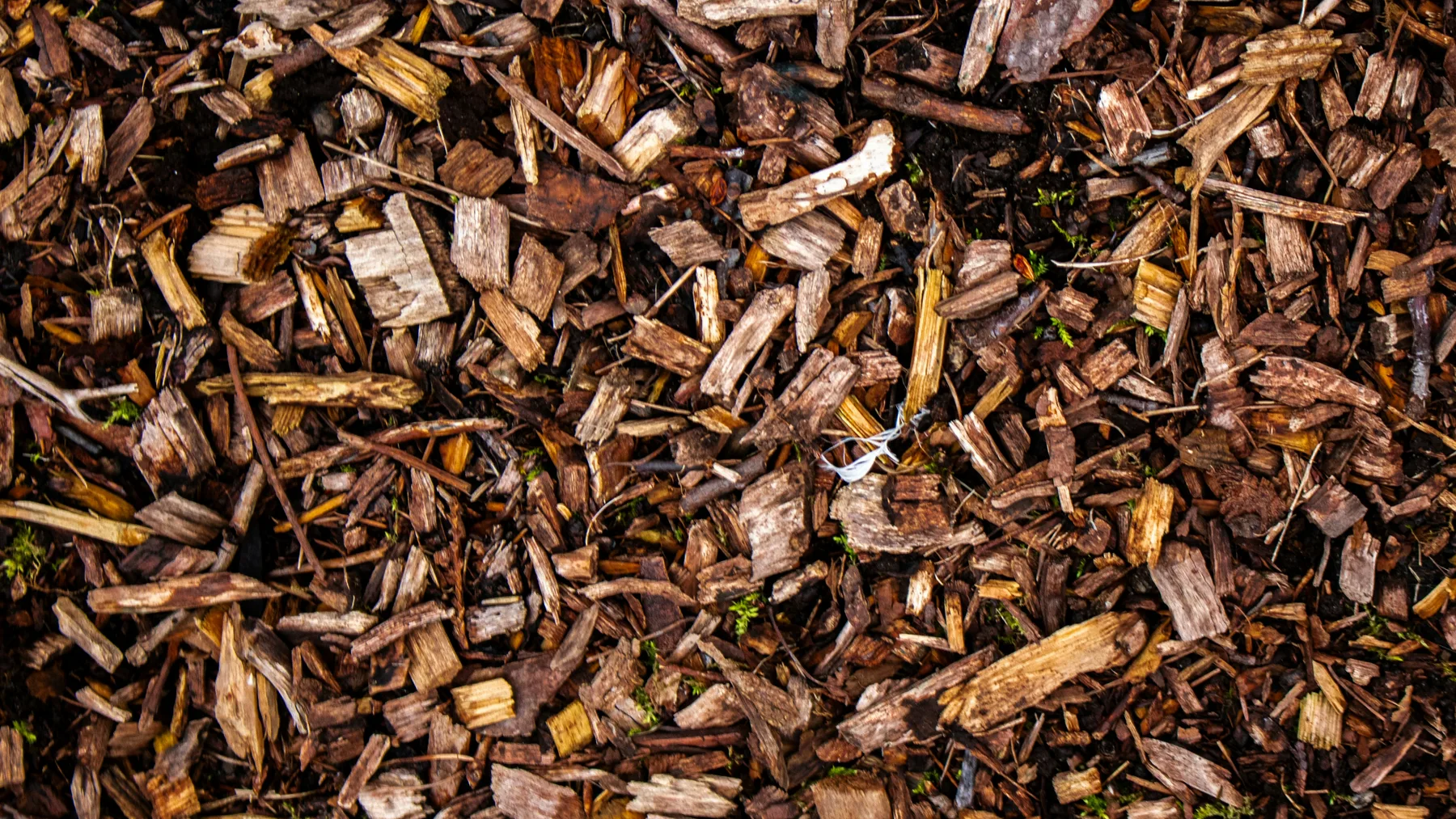
Green waste is cut plant material collected on its own so it can be composted or shredded into mulch rather than buried with general rubbish. In Dubai that means palm fronds, hedge trimmings, grass clippings, leaves, prunings and spent plants, and the difference between a load that has an organic route ahead of it and one that does not comes down to what has been mixed into it before the crew arrives.
Quick answer
Green waste disposal in Dubai works by keeping cut plant material separate from everything else so it can be composted or shredded into mulch. Soil, gravel, plastic pots, plastic sacks, artificial grass and treated timber all break that route, and one bag of the wrong material affects the whole collection rather than itself alone. Soft material such as grass and leafy trimmings needs collecting within a day or two in summer heat, while woody prunings and palm fronds can wait. Home composting is possible in a shaded Dubai villa garden and is limited by water loss rather than by temperature.
Why Green Waste Is Kept on Its Own
Every other stream leaving a house is sorted after collection. Green waste is different, because contamination is not something a sorting step reliably reverses. A plastic plant label or a handful of gravel does not sit visibly on top of a load of shredded plant material, it disperses through it, and the material comes out the other end carrying fragments that were never meant to be there.
That is the practical case for separating at the source rather than at the destination. Cut plant material on its own is water, cellulose, lignin and plant nutrients, and it can go back into soil. The same material with plastic through it is mixed waste that happens to be mostly plant.
It is also the reason a green waste collection is booked as its own job. Our garden waste removal service exists as a separate service from general waste removal for exactly this reason: the truck, the loading and the destination are all different once the load is genuinely one material.
How Fast Each Kind of Dubai Garden Waste Breaks Down
| Material | How it behaves | What it needs | Effect on the pile |
|---|---|---|---|
| Grass clippings and soft leaves | Mostly water, compacts into a dense mat, ferments within days in summer | Mixing with coarse material so air can reach it | Fastest to break down, and the fastest to start smelling if left |
| Leafy hedge trimmings | Soft tips with woody stems, breaks down unevenly | Cutting to short lengths so the stems keep pace with the leaves | Moderate. The leaves go first and the stems sit |
| Woody prunings and branches | Dense lignin, decomposes slowly whatever the weather | Shredding, or time measured in seasons rather than weeks | Slow, but provides the air pockets soft material needs |
| Palm fronds | Long, fibrous and structural, sheds water instead of absorbing it | Shredding. Whole fronds resist decomposition for a long time | The slowest common material in a Dubai garden |
| Dried leaves and twigs | Low moisture, light, blows around | Dampening, and mixing with green material | Slow alone, useful mixed in |
| Spent plants with root balls | Plant material plus whatever soil came with it | Knocking the loose soil back into the bed first | Fine once the soil is off, awkward when it is not |
Reading down the second column, one pattern explains most of it. Soft, wet material breaks down quickly and turns unpleasant quickly. Woody, dry material does neither. A garden clearance usually produces both at once, and the soft half is what determines how soon the collection needs to happen.
What Breaks the Organic Route
Contamination in a Dubai green waste load is almost never dramatic. It is ordinary garden items that look like they belong:
- Bagged soil, sand and gravel. Mineral material, not plant material, and heavy enough to change how the load is handled.
- Plastic and ceramic plant pots. They come out of the garden with the plants and they are general junk.
- Plastic sacks used to carry the waste. Empty them at the collection point rather than leaving them sealed.
- Plant labels, cable ties and irrigation drippers. Small, plastic, and easy to miss in a heap of trimmings.
- Artificial grass. Plastic pile on a woven backing, whatever part of the garden it came from.
- Treated, painted or manufactured timber. Fence panels, trellis and decking offcuts carry preservative, paint or glue.
- Pet waste. Organic, and not something a green waste collection is set up to take.
None of those items are difficult to remove. They are difficult to remember, because every one of them was in the garden legitimately five minutes earlier. For how to sort and bundle a pile before the crew arrives, our guide to getting rid of garden waste in Dubai covers the preparation in full. This article covers what happens to that material afterwards and why the sorting is what decides it.
Composting at Home in Dubai: What Works and What Does Not
Home composting is possible in Dubai, and the thing that defeats most attempts is not the one people expect. Heat is not the enemy. Composting generates its own heat and a warm pile is a working pile. Water loss is the enemy.
An open heap in full sun in a Dubai summer loses moisture faster than the organisms breaking it down can tolerate. The pile dries, bleaches and stops. It has not failed because it got too hot, it has failed because it went dry, and adding more material to a dry pile does nothing at all.
How to
Setting up a compost bin that survives a Dubai summer
- 1
Put it in permanent shade
Choose a spot that stays shaded through the middle of the day, against a north-facing wall or under dense planting. A shaded bin loses a fraction of the water an exposed one does, and shade is the single decision that determines whether the rest works.
- 2
Use a closed or lidded bin rather than an open heap
An enclosed container holds humidity around the material instead of letting the air strip it. It also keeps the contents out of the wind, which dries a Dubai pile as effectively as the sun does.
- 3
Mix woody and soft material together from the start
Layer grass clippings and soft trimmings with shredded prunings or dry leaves. Soft material alone compacts into an airless mat, and woody material alone sits there. The mixture is what decomposes.
- 4
Shred anything fibrous before it goes in
Palm fronds and thick prunings will not break down whole in any reasonable timeframe. Cut them into short lengths so the fibre is opened up, or leave them out of the bin and put them in the green waste collection instead.
- 5
Check dampness weekly, not monthly
The material should feel like a wrung-out cloth. In Dubai summer that means adding water regularly rather than waiting for rain, and checking is a ten-second job that prevents the most common failure.
- 6
Turn it when the middle stops warming
Moving the outside material into the middle re-introduces air and restarts the process. A pile that has gone cold and is damp throughout needs turning rather than more material.
A villa garden with a shaded corner can compost most of what it produces. An apartment balcony in Dubai realistically cannot, because there is no shade, no thermal mass and no room for the woody half of the mixture. Balcony gardeners are better served by keeping plant waste out of the general bin and putting it out with a green waste collection instead, which routes the same material to the same kind of processing at a scale that works.
The Palm Frond Problem
Palm fronds deserve their own note because they are the material a Dubai garden produces most of and the one least suited to any of this. A frond is built to last: long, fibrous, waxy and structural, designed to survive heat and wind for years on the tree. Those properties do not switch off when it is cut down.
Whole fronds do three unhelpful things at once. They shed water rather than absorbing it, so they stay dry in the middle of a damp pile. They hold rigid air gaps open, so a stack of them never settles. And they take up an enormous amount of space for their weight, which is why a frond pile looks like a full truck and weighs almost nothing.
Shredding solves all three, and it is the reason fronds are handled as their own category rather than thrown in with hedge trimmings. If you are stacking fronds for collection, lay them in one direction rather than crossing them. A stacked bundle occupies roughly half the space of the same fronds heaped, which is the difference between one trip and two.
Cut It and Book It in the Same Week
The point most people miss is that green waste is the one household stream whose value has an expiry date. A wardrobe left in a spare room for a month is the same wardrobe. A pile of trimmings left against a boundary wall for a month in Dubai is a different material: the soft part has broken down into a wet mat, the woody part has dried and gone brittle, and the whole thing has been sitting in the sun drawing insects. Book the collection for the same week as the cutting and it stays a clean, single-material load. Send a photo of the pile on WhatsApp or get in touch and we will tell you what it needs.
Frequently asked questions
Because it is the only common household material that can break down into something usable, and mixing it with general rubbish ends that possibility permanently. Cut plant material is water, cellulose and plant nutrients, and kept on its own it can be composted or shredded into mulch. Tipped in with plastic, packaging and general household waste it becomes part of a mixed load that has to be handled as mixed waste. Separation is not a formality in Dubai, it is the entire difference between the two outcomes.
No, they are considerably slower than almost anything else a Dubai garden produces. A palm frond is long, fibrous and structural, built to survive heat and wind, and those qualities are exactly what makes it resist decomposition. Whole fronds shed water rather than absorbing it and they hold air pockets open in a pile instead of settling. Shredding is what changes this, because the same material breaks down at an ordinary rate once it has been cut into short lengths and the fibre is opened up.
Yes, in a villa garden with shade and attention to moisture, and it is difficult to impossible on an exposed balcony. The limiting factor in Dubai is not heat but water loss. Composting depends on a damp environment for the organisms doing the work, and an open heap in summer sun dries out faster than it decomposes, so the pile bleaches and sits rather than rotting. A closed or shaded bin, positioned out of direct sun and checked for dampness rather than left alone, is what makes the difference.
A little soil clinging to roots is normal and causes no problem. Bags of soil, sand or gravel mixed into a green waste collection are a different matter, because they are mineral material rather than plant material and they change what the load is. They also change how it handles, since a green waste collection is loaded on bulk and a few unmarked bags of soil weigh more than the rest of the pile. Knock loose soil back into the bed and say what is in the bags when you book.
They are one of the most common contaminants and the easiest to avoid. Plant material bagged in plastic and left bagged has to be emptied out of that plastic before it can go anywhere as green waste, and any bag that is missed puts plastic fragments into material that was otherwise clean. Use bags to carry the waste to the collection point and empty them, or use paper or woven sacks that can go with the load. Either approach works, and leaving sealed plastic sacks for the crew does not.
Soft green material does, and woody material does not. Grass clippings and leafy hedge trimmings are mostly water, and in Dubai summer temperatures a heaped pile of them begins to ferment and smell within a day or two, and draws insects while it does. Cut branches and palm fronds have no such urgency and can wait. If a garden job produces both, the soft material is what sets the collection date rather than the volume of the whole pile.
No, and it is worth separating deliberately because it looks like it belongs. Old fence panels, pergola offcuts, painted trellis and treated decking boards come out of the garden alongside genuine plant waste, and they are manufactured timber carrying paint, preservative or glue rather than clean plant material. They are ordinary junk removal items and can go in the same visit when you mention them. Keeping them out of the green pile is what keeps the rest of that pile usable.
Related articles
Sustainable Decluttering: Reduce Junk Before It Piles Up
Most of what a Dubai household eventually clears was settled long before the clearance. Reducing that volume is a timing decision, not a sorting one.
Battery & Electronics Disposal Rules in Dubai
Whether a battery leaves with a device or needs its own route is decided by how it is attached, not by what it powers. Here is how to sort them before a clearance.
Landfill vs Recycling: Where Dubai's Junk Ends Up
Recycling delays landfill for most household materials rather than replacing it. What decides the gap is how many useful cycles a material has left in it.