Junk Removal After Flood or Water Damage in Dubai
After water damage in Dubai, stop the source, document the loss and separate safe dry items from soaked junk before arranging collection or specialist remediation.
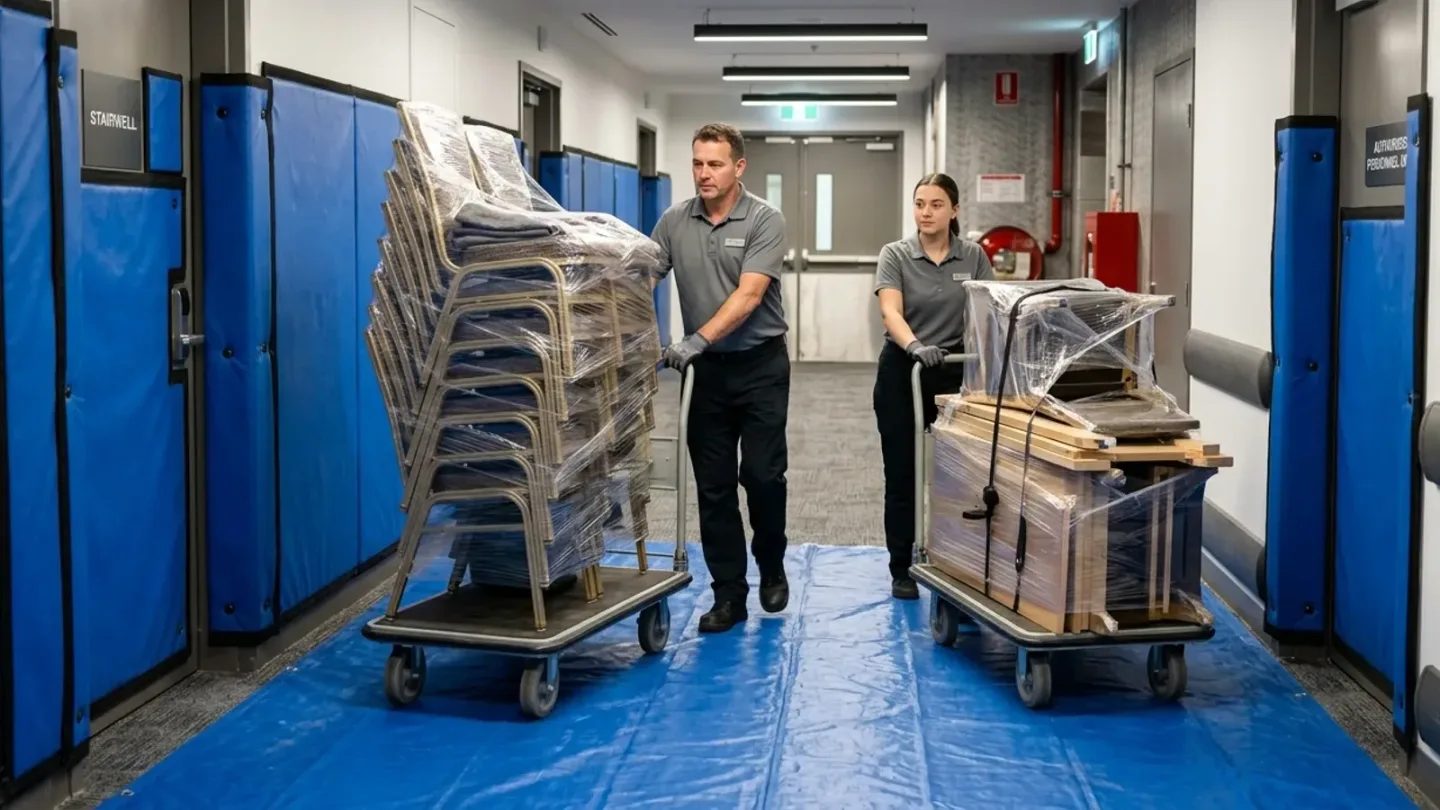
What should you do with junk after water damage in Dubai?
Stop the water source, keep people away from electrical or contaminated areas, document the damage, and separate dry belongings from items that are soaked beyond recovery. Junk collection comes after the property is safe to enter and after any insurer, landlord or building manager has had the opportunity to inspect the loss.
Junk Removals Dubai can collect approved solid items through Junk Removal Dubai and remove damaged sofas, beds, tables and cabinets through furniture removal in Dubai. We do not extract water, dry buildings, test electrical systems, clean sewage or remediate mold.
What must happen before water-damaged items are moved?
The first decisions belong to the people responsible for the building and the source of the leak, not the removal crew.
- Stop and report the source. Contact building management, the landlord or the relevant maintenance provider for a burst pipe, tank, AC drain or external water entry.
- Treat power as a separate hazard. Do not enter standing water near sockets, appliances or distribution boards. Use a qualified electrician where isolation or testing is required.
- Document the room. Photograph the water line, floor, walls and each affected item before moving anything.
- Check the approval path. Ask the insurer, landlord or property manager whether damaged goods must remain for inspection.
- Make the route safe. Water extraction and any required contamination work happen before a standard removal crew carries items through the property.
Removal is not remediation
A junk crew can remove approved solid items once the area is safe. Active flooding, sewage, extensive mold, unstable ceilings and live electrical risks need the appropriate specialist before collection is considered.
Which water-damaged items are usually kept or discarded?
Condition, material and the water source matter more than the item's age.
| Item or material | First assessment | Typical decision point |
|---|---|---|
| Solid wood furniture | Dry promptly and inspect joints and finish | May be repairable if it has not warped or split |
| MDF or chipboard cabinets | Check swelling at edges, base and back | Swollen board rarely returns to its original shape |
| Upholstered sofas and mattresses | Identify depth and source of saturation | Deeply soaked foam is difficult to dry and assess safely |
| Metal frames | Dry and inspect joints, coatings and fixings | Often separable from damaged fabric or board |
| Cardboard and paper | Keep away from dry belongings | Wet fibre collapses and is not suitable for clean recycling |
| Electrical appliances | Leave unplugged and disclose exposure | Needs assessment before reuse; do not test by switching on |
Dry furniture should remain in a separate room or clearly marked zone. Our guide to sorting junk in Dubai explains how separation preserves the available disposal routes. For furniture materials, furniture recycling in Dubai explains why moisture changes what can be recovered.
How should soaked furniture be prepared for collection?
Do not drag wet items through a clean apartment or shared tower corridor. Soaked upholstery and engineered board gain weight, release dirty water under pressure and can mark lifts, walls and flooring.
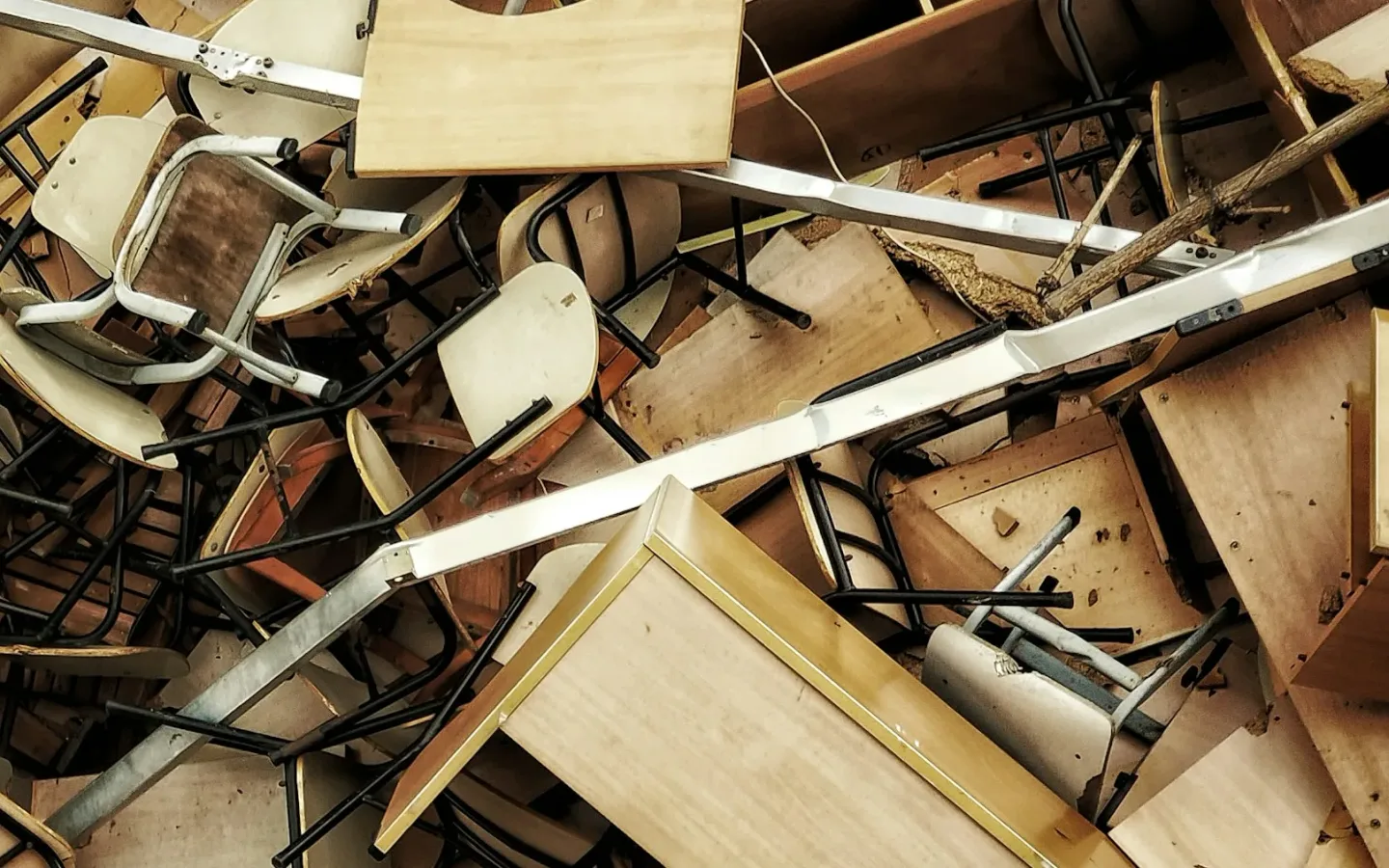
- Tell the crew which items are still damp or holding water.
- Remove loose personal contents from drawers and cabinets without breaking swollen doors by force.
- Keep affected textiles contained and away from dry cushions, rugs and cartons.
- Clear the route only after the floor is dry enough for safe carrying.
- Arrange building access and lift protection for apartment or office collections.
Our article on property-safe junk removal in Dubai covers floor, corner and lift protection once the site itself is safe. If the affected material includes paint, solvents, leaking batteries or unlabelled chemicals, keep it out of the ordinary load and follow the separate hazardous waste disposal guide.
What information does the removal crew need?
Send photos only after it is safe to enter the room. Include the full affected group, close views of swelling or saturation, and the route to the loading point. State where the water came from, whether the items are dry or wet, whether a remediation specialist has released the area, and whether building management has approved removal.
Water damage can change a small-looking collection into a heavy one. A chipboard cabinet, mattress or sofa may hold substantial moisture while occupying the same visible volume, so the condition must be disclosed before dispatch.
To ask about an approved water-damaged junk collection, send the inventory and safe access details through WhatsApp, or call +971 50 759 9311. If the area is still wet, contaminated or unsafe, complete the specialist work first.
Frequently asked questions
The water source must be stopped and the area made safe first. Tell the removal company that the items are wet before booking, because soaked upholstery and board are heavier, can leak through shared areas and may need sealed handling.
Do not discard items until you have documented them and checked any insurer, landlord or property-manager requirements. Take clear photos of each item, its condition and the affected room before anything is moved.
No. Junk removal covers agreed solid items after the property is safe to enter. Water extraction, drying, electrical checks, sewage cleanup and mold remediation require the appropriate building, cleaning or remediation specialists.
Keep dry and reusable items separate from soaked material. Mixing them can transfer moisture and contamination, and it removes the chance to assess the dry items for reuse or recycling.
Do not plug it in to test it. Isolate power only if it is safe to do so and arrange an electrical assessment where needed. Tell the collector that the appliance was exposed to water and whether it still contains standing water.
Not without prior assessment. Sewage exposure is a contamination issue rather than ordinary water damage. Keep people away from the area and use a specialist cleanup route before arranging removal of any approved solid items.
Related articles
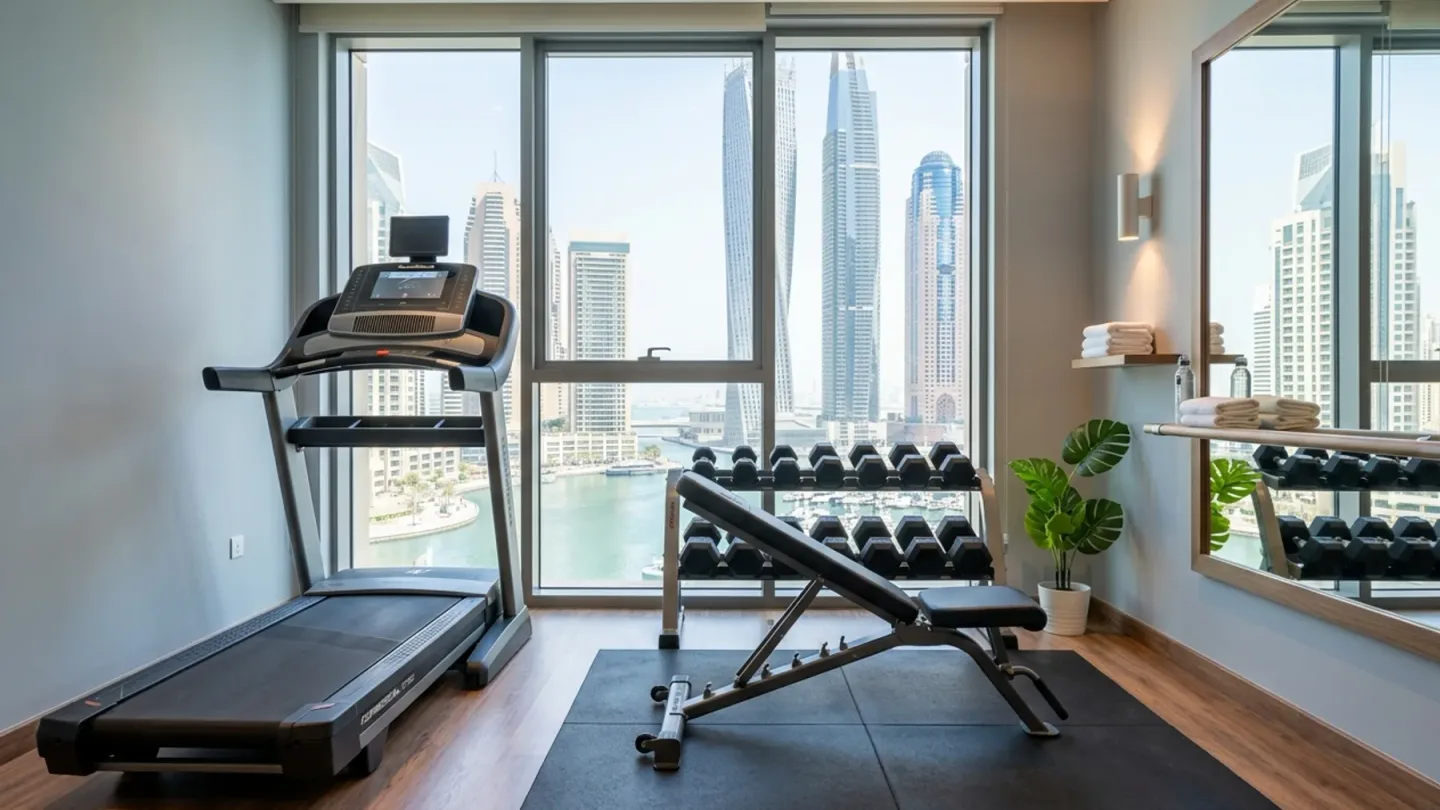
Disposing of Old Gym Equipment at Home in Dubai
Home gym disposal in Dubai starts with separating machines, loose weights, flooring and electronics, then planning dismantling and a safe route out.
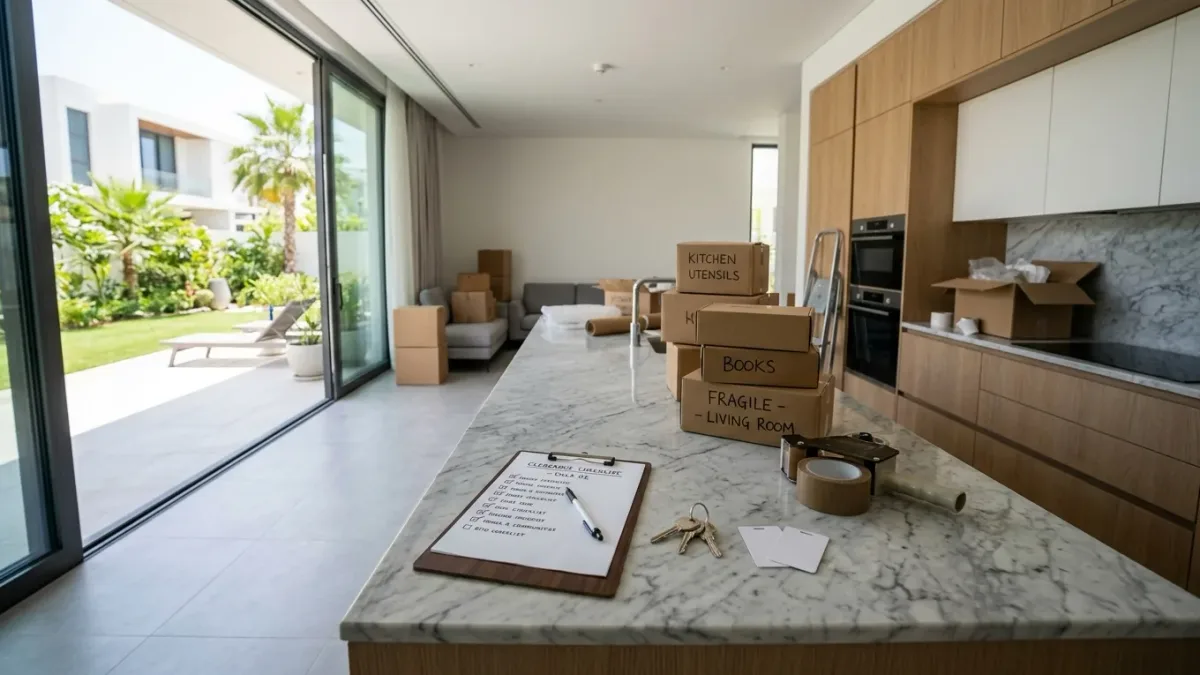
Getting Rid of Old Kitchen Cabinets in Dubai
Kitchen cabinet disposal in Dubai depends on whether units are freestanding or fitted, who detaches them, and how panels, worktops and hardware leave safely.
How to Clear Junk From a Rented Storage Room
Clearing a rented storage room in Dubai means comparing DIY, van hire and a clearance crew, then working within the facility's access, lock and handback rules.